
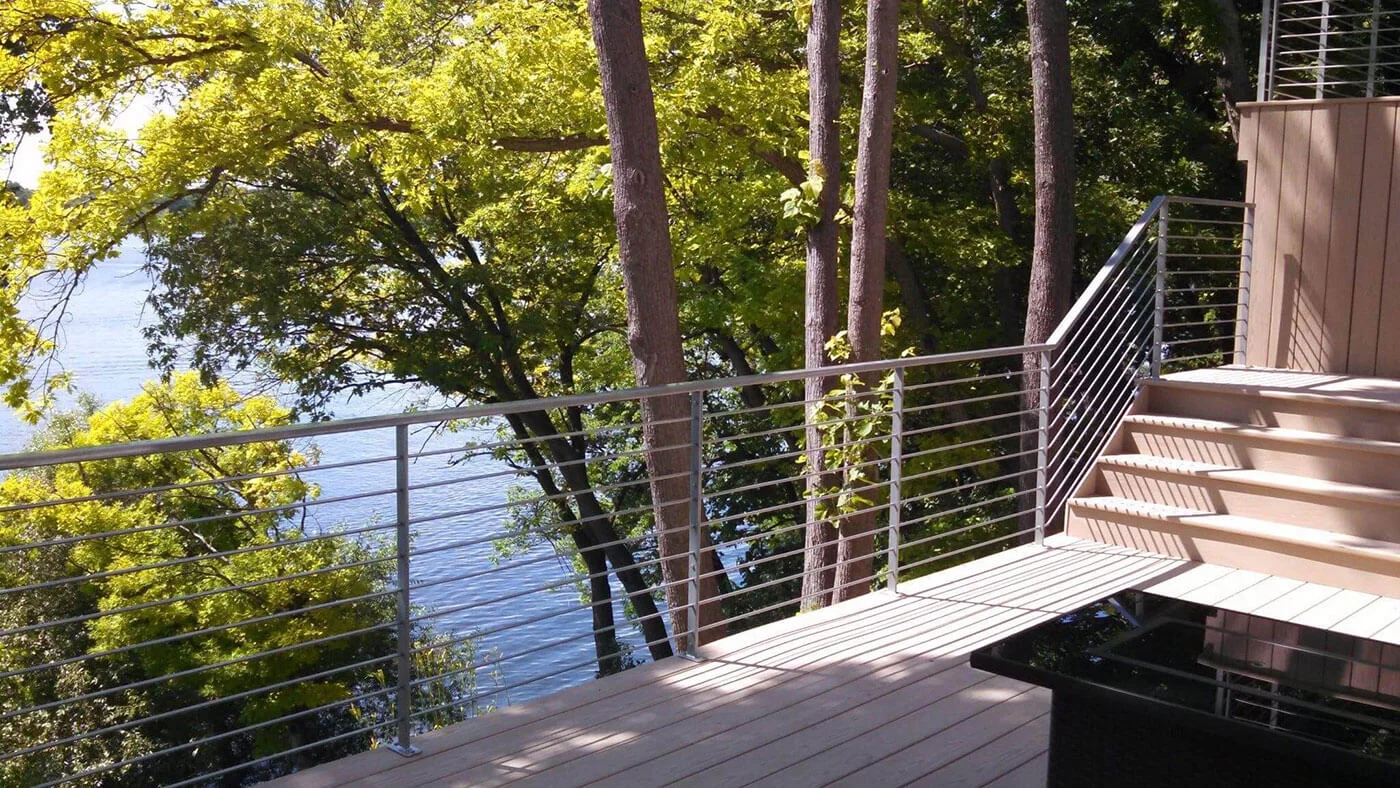
A well-designed deck can transform an outdoor space into a functional extension of the home. It is where people gather, relax, and enjoy the outdoors. But beneath the surface, many decks begin to deteriorate long before visible signs appear. What looks solid and well-maintained can sometimes hide deeper structural issues that compromise safety and longevity.
For homeowners exploring upgrades or repairs, especially those researching options like Seattle dry rot repair for aging timber structures, understanding what happens beneath the surface is essential. The earlier these issues are identified, the easier and more cost-effective they are to address.
The Illusion of a “Healthy” Deck
Decks are exposed to constant environmental stress. Rain, humidity, temperature fluctuations, and even minor drainage issues can slowly affect the integrity of the wood. Unlike cosmetic wear, structural damage does not always present itself clearly.
A deck may appear stable, with clean boards and a fresh finish, while the underlying support beams or joists are weakening. This is particularly common in areas where moisture accumulates, such as near fasteners, joints, or areas with poor ventilation.
The problem is not just age. Even relatively new decks can develop issues if they were built without proper moisture management or if maintenance has been inconsistent.
How Moisture Quietly Breaks Down Timber
Moisture is one of the most underestimated threats to outdoor structures. When wood absorbs water over time, it creates the perfect environment for decay to develop. This process is gradual, often invisible at first, and can spread internally before any external signs appear.
What makes this especially problematic is that homeowners tend to focus on surface-level maintenance, such as staining or sealing, while the real vulnerabilities exist deeper within the structure.
Over time, moisture can compromise load-bearing elements, making the deck unsafe even if it still looks visually appealing.
Early Warning Signs Most Homeowners Miss
The challenge with structural wood damage is that it rarely announces itself clearly. Instead, it shows up in subtle ways that are easy to overlook.
Slight softening in certain boards, minor warping, or areas that feel less stable underfoot can all indicate deeper issues. In some cases, small cracks or discoloration near joints may signal that moisture has already begun affecting the internal structure.
Another overlooked indicator is how water behaves on the deck. If certain areas retain moisture longer than others, it often points to poor drainage or underlying damage.
These signs may seem minor, but they are often the first indicators of a larger problem developing beneath the surface.
When Repair Makes More Sense Than Replacement
One of the biggest decisions homeowners face is whether to repair or fully replace a deck. While replacement may seem like the safer option, it is not always necessary.
Targeted repairs can often restore structural integrity without the cost and disruption of a full rebuild. This is especially true when damage is localized and identified early.
The key is accurate assessment. Understanding which parts of the structure are compromised and which remain sound allows for a more strategic approach. This not only saves money but also preserves much of the original structure.
For homeowners navigating this decision, working with specialists like I Got Rot can provide a clearer understanding of how targeted repair strategies can extend the life of timber structures without unnecessary replacement.
Designing for Longevity, Not Just Aesthetics
Modern deck design often prioritizes appearance, but long-term durability should be part of the equation from the start. The most resilient decks are those built with moisture management in mind.
Proper spacing between boards, adequate ventilation beneath the deck, and thoughtful drainage solutions all contribute to longevity. Material selection also plays a role, but even the best materials can fail if moisture is allowed to accumulate.
Maintenance routines should go beyond surface treatments. Regular inspections, especially in areas prone to moisture retention, can prevent small issues from becoming major structural problems.
Why Prevention Is Always More Cost-Effective
Addressing structural issues early is significantly more affordable than dealing with advanced damage. Once decay spreads into core structural elements, repair becomes more complex and expensive.
Preventive measures, including routine inspections and timely repairs, not only extend the life of the deck but also maintain property value. For homeowners planning future renovations or resale, this becomes an important consideration.
A well-maintained deck signals care and attention to detail, while hidden structural issues can become costly surprises during inspections.
Making Smarter Decisions About Outdoor Spaces
Decks are more than just outdoor features. They are structural elements that require the same level of attention as any other part of the home. Understanding how and why they fail allows homeowners to make better decisions, whether they are maintaining an existing structure or planning a new one.
The key takeaway is simple. What you see on the surface does not always reflect what is happening underneath. By paying attention to subtle signs, prioritizing proper design, and addressing issues early, homeowners can ensure their outdoor spaces remain safe, functional, and visually appealing for years to come.
A thoughtful approach to maintenance and repair not only protects the structure but also enhances the overall living experience that a well-built deck is meant to provide.