
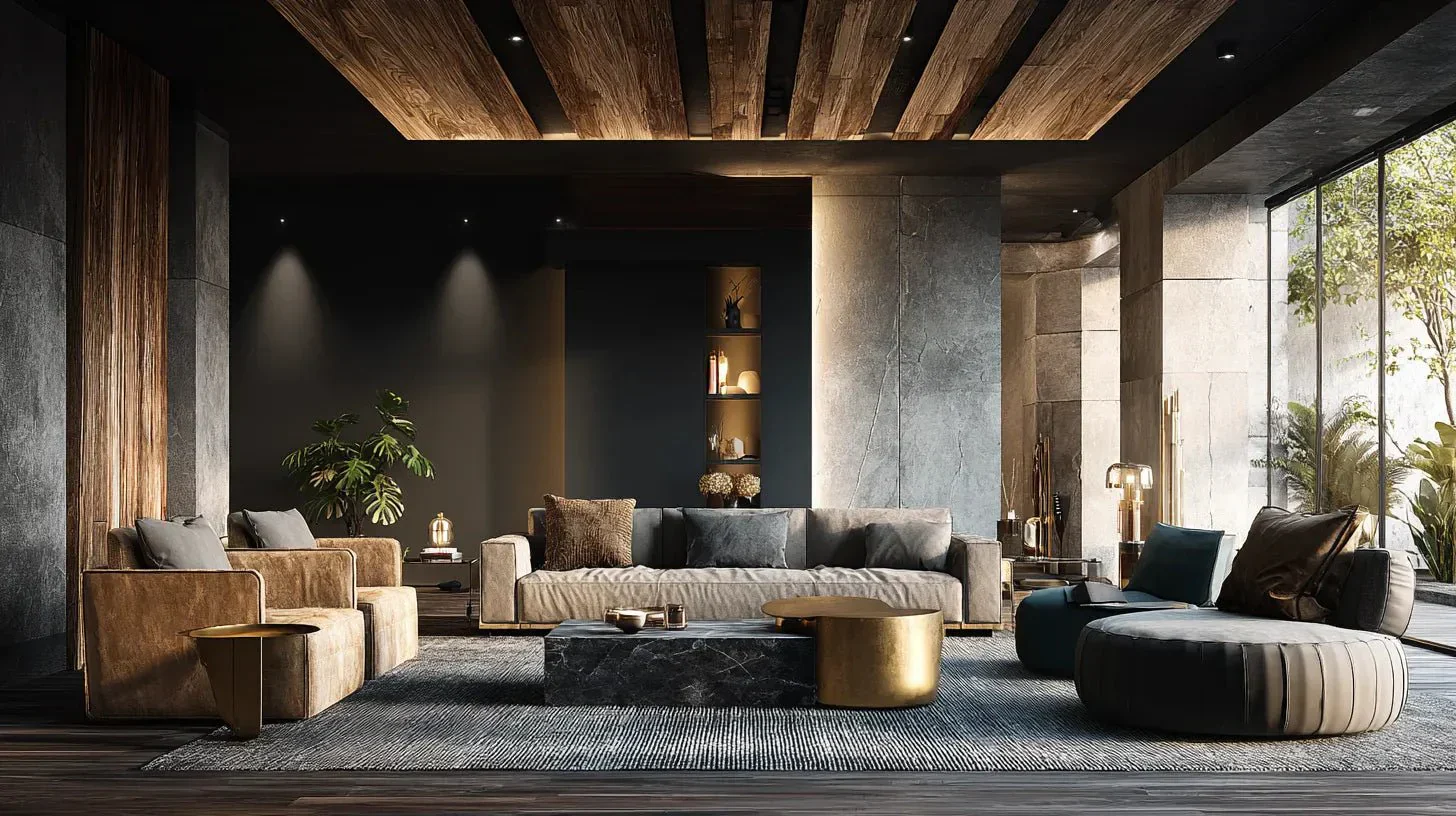
A finished home can still feel unresolved. The renovation may be complete, the furniture delivered, the walls painted and the joinery installed, yet something remains slightly off. Often, the instinct is to add more. Another occasional chair. A larger artwork. More cushions. A console for the hallway. A second rug. More pieces, more texture, more “personality”.
In many refined homes, the issue isn’t a lack of furniture. It’s a lack of restraint.
That’s where styling discipline becomes essential. Working with a Melbourne interior decorator for refined residential spaces can help homeowners identify what the room actually needs, rather than continuing to fill gaps with items that create visual noise. Good styling isn’t about making a home look decorated. It’s about making the finished space feel considered, balanced and easy to live in.
More Furniture Doesn’t Always Mean More Warmth
A room can be full and still feel cold. It can have generous seating, expensive finishes and beautiful materials, yet still lack cohesion. Warmth rarely comes from quantity alone. It comes from proportion, rhythm, contrast, texture and the way each element relates to the next.
When a home feels bare after construction or renovation, the problem may be scale. A sofa might sit too low against high ceilings. A rug may be slightly too small for the seating zone. A dining table may feel visually heavy because the chairs, pendant and surrounding pieces are all competing at the same intensity.
Adding furniture in these moments can make the imbalance worse. The room becomes busier, but not better. Styling discipline asks a sharper question: what’s missing from the composition?
Sometimes the answer is not another object. It may be negative space. It may be a better focal point. It may be editing three small accessories into one sculptural piece. It may be replacing rather than adding.
The Finished Home Problem
Many homeowners invest heavily in the architectural and functional layers of a home, then reach the styling stage with decision fatigue. By that point, choices have been made about stone, flooring, tapware, lighting, appliances, cabinetry, window treatments and furniture. The temptation is to finish quickly.
This is when homes often become over-layered.
A sideboard is added because a wall feels empty. Cushions are bought to fix a sofa that doesn’t connect with the room. Decorative objects accumulate because surfaces feel too plain. The result can be a home that has plenty of pieces, but no clear hierarchy.
Finished homes need discipline because every additional item changes the visual conversation. A new armchair affects circulation. A tall plant changes the vertical balance. A framed print alters the relationship between colour, scale and wall space. Even small objects can make a room feel either refined or cluttered.
The best interiors are rarely accidental. They’re edited.
Styling Is About Hierarchy
A well-styled room tells the eye where to go. It has a primary moment, supporting elements and quiet spaces that allow the stronger pieces to breathe. Without hierarchy, everything asks for attention at once.
This is especially important in open-plan homes. Living, dining and kitchen zones often share sightlines, materials and light. If every area is styled with equal intensity, the space can feel visually exhausting. Discipline creates flow. It allows one zone to feel generous, another more intimate, and another more restrained.
For example, a dramatic stone island may already be the hero of the kitchen. Adding bold stools, oversized pendant lights, patterned décor and heavy styling on the benchtop can dilute the impact. A more disciplined approach might use quieter stools, a pared-back vessel and carefully chosen lighting that supports the architecture rather than competing with it.
The restraint is what makes the expensive decisions look intentional.
Empty Space Has a Job
Many people feel uncomfortable with empty space in a home. A blank wall, a clear table or an open corner can feel unfinished. Yet negative space is one of the most powerful tools in interior styling.
Empty space gives the room confidence. It prevents furniture from feeling crammed. It lets materials stand on their own. It creates pauses between objects, which makes the pieces that remain feel more deliberate.
This doesn’t mean a home should feel stark. It means every item should earn its place. A refined interior can be layered, comfortable and deeply personal while still being disciplined. The difference is selection. Instead of filling every surface, the focus shifts to choosing pieces with scale, meaning and relevance.
A single ceramic vessel with the right form can do more than five small objects scattered across a console. One substantial artwork can resolve a wall more effectively than a cluster of pieces chosen to cover space. A generous rug can define a living area better than extra furniture placed around the edges.
Discipline Makes Personal Style Stronger
There’s a misconception that restraint removes personality. In practice, it often sharpens it.
When every piece has room to register, the homeowner’s taste becomes clearer. A treasured artwork feels more important when it isn’t surrounded by visual clutter. A vintage chair feels more special when it’s positioned with purpose. Books, ceramics, family pieces and travel objects become more meaningful when they’re curated rather than dispersed randomly.
Styling discipline doesn’t strip a home of character. It removes the distractions that weaken it. This is particularly valuable in high-end residential spaces, where the goal is rarely to impress through excess. The strongest homes feel resolved without feeling staged. They’re polished, but not sterile. Personal, but not overcrowded. Elegant, but still liveable.
When to Edit Instead of Add
If a finished home feels slightly wrong, start by assessing what can be removed, repositioned or resized before buying anything new. Look at whether furniture is blocking natural movement. Check whether too many small pieces are breaking up the room. Consider whether colours are scattered without repetition. Notice whether all the visual weight sits on one side of the space.
Often, the solution is adjustment. Move the artwork lower. Swap small lamps for one with stronger scale. Clear the coffee table. Remove the chair nobody uses. Replace several decorative items with one piece that has presence. Give the room a stronger centre.
The most refined interiors are not built through accumulation. They’re shaped through judgement.
A Finished Home Needs a Final Edit
A home doesn’t feel complete because every corner is filled. It feels complete when the furniture, objects, lighting, textures and empty spaces work together without strain.
That final layer requires discipline. Not austerity. Not minimalism for its own sake. Just the ability to stop adding, start editing and recognise when the room already has enough.
In a finished home, the question shouldn’t be, “What else can we buy?” It should be, “What does this space need to feel resolved?” Sometimes the most sophisticated answer is less.