
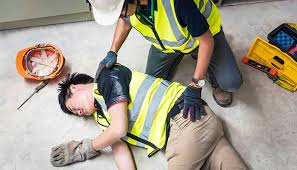
Electrical environments present unique hazards that require specialised emergency response skills. Workers who operate near live circuits, switchboards, or industrial equipment face the risk of electric shock, burns, and cardiac complications if an incident occurs. CPR LVR training equips individuals with the ability to perform low-voltage rescue and provide lifesaving care in these high-risk situations. Learning CPR and LVR procedures ensures that responders can act quickly and safely when electrical emergencies arise.
Understanding Electrical Shock Risks
Electric shock can disrupt the heart’s rhythm, cause severe burns, and lead to respiratory failure. Even low voltage exposure can produce life-threatening effects if current passes through the body. Because these incidents can happen suddenly, immediate intervention is critical.
Training teaches workers how electricity affects the human body and why rapid response is essential. Recognising symptoms such as unconsciousness, irregular breathing, or muscle paralysis allows responders to act without delay.
Performing Safe Low Voltage Rescue
Before assisting an injured person, rescuers must ensure their own safety. Direct contact with an electrified victim can transfer current to the rescuer, creating additional casualties. CPR LVR training emphasises isolating power sources, using non-conductive rescue equipment, and maintaining safe positioning.
Participants learn LVR CPR procedures that focus on removing the victim from the electrical source safely before providing medical assistance. This method reduces risk while enabling prompt rescue.
Providing Immediate CPR After Electrical Incidents
Electric shock can cause cardiac arrest by interrupting normal heart function. CPR must be administered right away to preserve circulation and oxygen supply to critical organs when this happens. Training ensures responders know how to assess breathing and pulse before beginning chest compressions.
Hands-on practice reinforces correct compression depth, rhythm, and positioning. These techniques help sustain life until emergency medical personnel arrive.
Managing Burns And Secondary Injuries
Electrical incidents often result in burns at entry and exit points where current travels through the body. These burns may appear minor on the surface while causing deeper tissue damage. CPR LVR training teaches responders how to cool burns safely, protect affected areas, and prevent contamination.
Secondary injuries such as falls, fractures, or head trauma may also occur when electrical shock causes sudden muscle contraction or loss of balance. Responders learn to stabilise injuries and minimise movement to prevent further harm.
Ensuring Compliance With Workplace Safety Standards
Many industries require workers to maintain current CPR LVR certification to meet safety regulations. Electrical contractors, maintenance technicians, and industrial workers must be prepared to respond to emergencies in compliance with workplace health and safety standards.
Completing LVR and CPR training supports regulatory compliance while demonstrating a commitment to employee well-being. Employers benefit from having trained personnel who can respond effectively to electrical emergencies.
Building Confidence In High Risk Environments
Working with electricity can be stressful, especially when emergencies occur. CPR LVR training builds confidence by providing structured procedures and hands-on practice. When workers understand how to respond, they are more likely to remain calm and take appropriate action.
Confidence reduces hesitation and ensures that lifesaving steps are taken promptly. Trained responders can also guide coworkers during emergencies, helping maintain order and safety.
Promoting A Culture Of Electrical Safety
Training encourages a proactive approach to workplace safety. Workers become more aware of hazards, follow safe operating procedures, and identify potential risks before incidents occur. This increased awareness contributes to accident prevention and improved safety practices.
Teams that prioritise safety training create environments where employees look out for one another and respond effectively during emergencies.
Enhancing Emergency Preparedness Across Industries
CPR LVR skills are valuable in various sectors, including construction, manufacturing, utilities, and facility maintenance. Any workplace involving electrical systems can benefit from trained responders who understand rescue procedures and emergency care.
Prepared workers help minimise response time and improve outcomes when accidents occur, supporting safer worksites and reducing potential risks.
A Critical Skill For Electrical Workplace Safety
CPR LVR training is an essential component of electrical safety preparedness. The ability to perform safe rescues, administer CPR, and manage injuries ensures that immediate assistance is available during emergencies.
By equipping workers with these specialised skills, organisations create safer environments and empower employees to respond confidently when incidents occur. CPR LVR training not only protects individuals but also strengthens workplace safety culture and emergency readiness.