
Choosing a cat for a family with children is not only about cuteness. The best kid-friendly cats tend to share a few traits – they are patient, sociable, resilient to noise and movement, and comfortable with gentle handling. At the same time, every cat is an individual, and even the most “family” breed needs proper socialization, respectful children, and a calm, enriched environment.
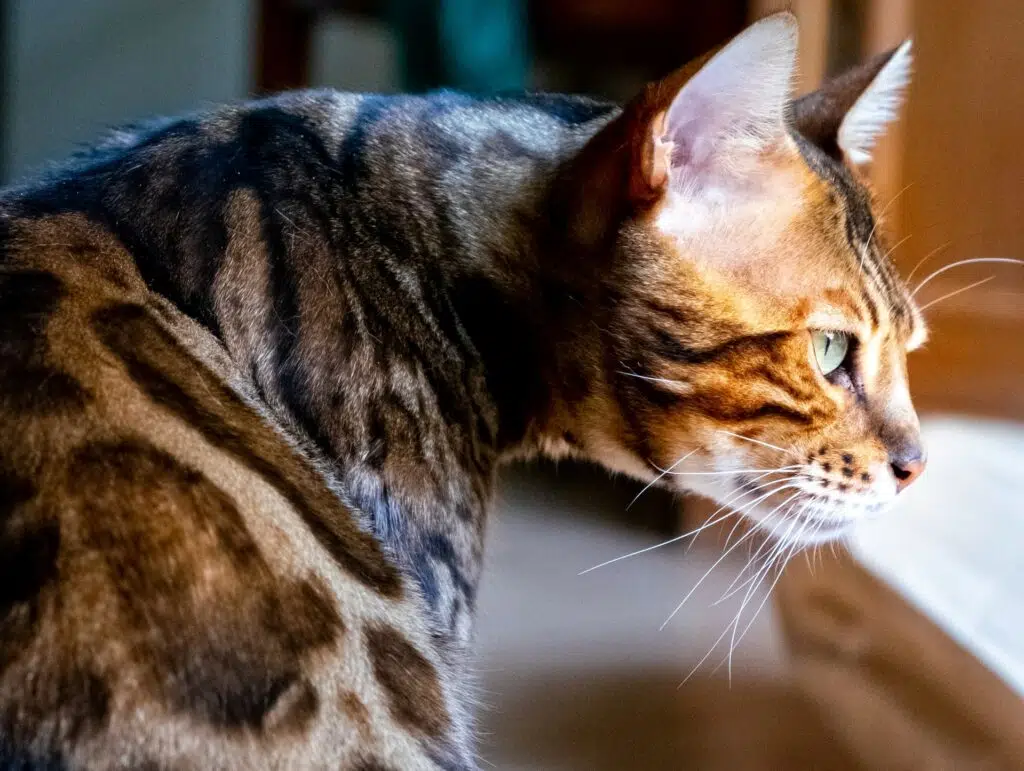
Many parents start their search by browsing breed types and temperament descriptions, then looking at real-world availability. You might see phrases like blue bengal cat for sale while researching options, but it is crucial to treat those listings as only a starting point. The true goal is finding a healthy, well-socialized cat whose personality matches your household’s energy, time, and experience.
A pediatric-friendly cat should tolerate unpredictable sounds, have a lower tendency to scratch when startled, and enjoy at least some human interaction. In practice, this often means choosing breeds known for gentle temperaments and then prioritizing the individual kitten or adult cat’s socialization history.
What “Good with kids” really means
A cat that is good with children is usually one that is confident rather than fearful. Fear is a common trigger for scratching or hiding. Confident cats recover quickly from surprises, accept normal household movement, and adapt to daily routines. They also tend to communicate clearly – they leave when overwhelmed rather than escalate to aggression.
Feline behaviorist Pam Johnson-Bennett has emphasized that respectful handling matters as much as breed choice. “The best family cat is the one whose boundaries are understood and protected. Teaching children how to interact gently is the foundation of a safe bond.” When kids learn to read signals – twitching tail, flattened ears, sudden stillness – the cat feels safer, and the relationship becomes calmer and more affectionate.
The 5 best cat breeds for children
1. Ragdoll: gentle, tolerant, and affectionate
Ragdolls are famous for their soft temperament. They are often calm, people-oriented, and more likely to relax in family settings than high-strung breeds. Many Ragdolls enjoy being near children, especially when kids are taught to hold and pet gently. Their plush coat requires regular brushing, but their care needs are generally manageable.
Why they work for kids – calm nature, strong bond with humans, low tendency to startle aggressively.
Watch-outs – grooming needs, and they dislike rough handling despite being tolerant.
2. Maine Coon: the “gentle giant”
Maine Coons are large, social, and known for friendly personalities. Their size can actually be a benefit in busy households – they are sturdy and often more tolerant of accidental bumps than smaller, delicate cats. Many are playful, enjoy interactive games, and often adapt well to other pets.
Why they work for kids – confident temperament, playful nature, robust build.
Watch-outs – long coat grooming and the need for space to move and climb.
3. British Shorthair: calm, steady, and patient
British Shorthairs are often described as composed and emotionally stable. They tend to be affectionate in a quiet way – sitting nearby, following family members, and enjoying routine. This can be ideal for families who want a cat that is loving without being constantly demanding. Their plush coats shed, but grooming is usually easy.
Why they work for kids – calm demeanor, low drama, good adaptability indoors.
Watch-outs – they can gain weight easily, so diet and play are important.
4. Burmese: people-focused and playful
Burmese cats are known for being affectionate, social, and unusually attached to humans. They often want to be part of family life, which can be wonderful for children who want interaction. Burmese are also playful and curious, which means they tend to enjoy structured play sessions with kids.
Why they work for kids – sociable, interactive, likes being involved.
Watch-outs – they may become lonely if left alone too long.
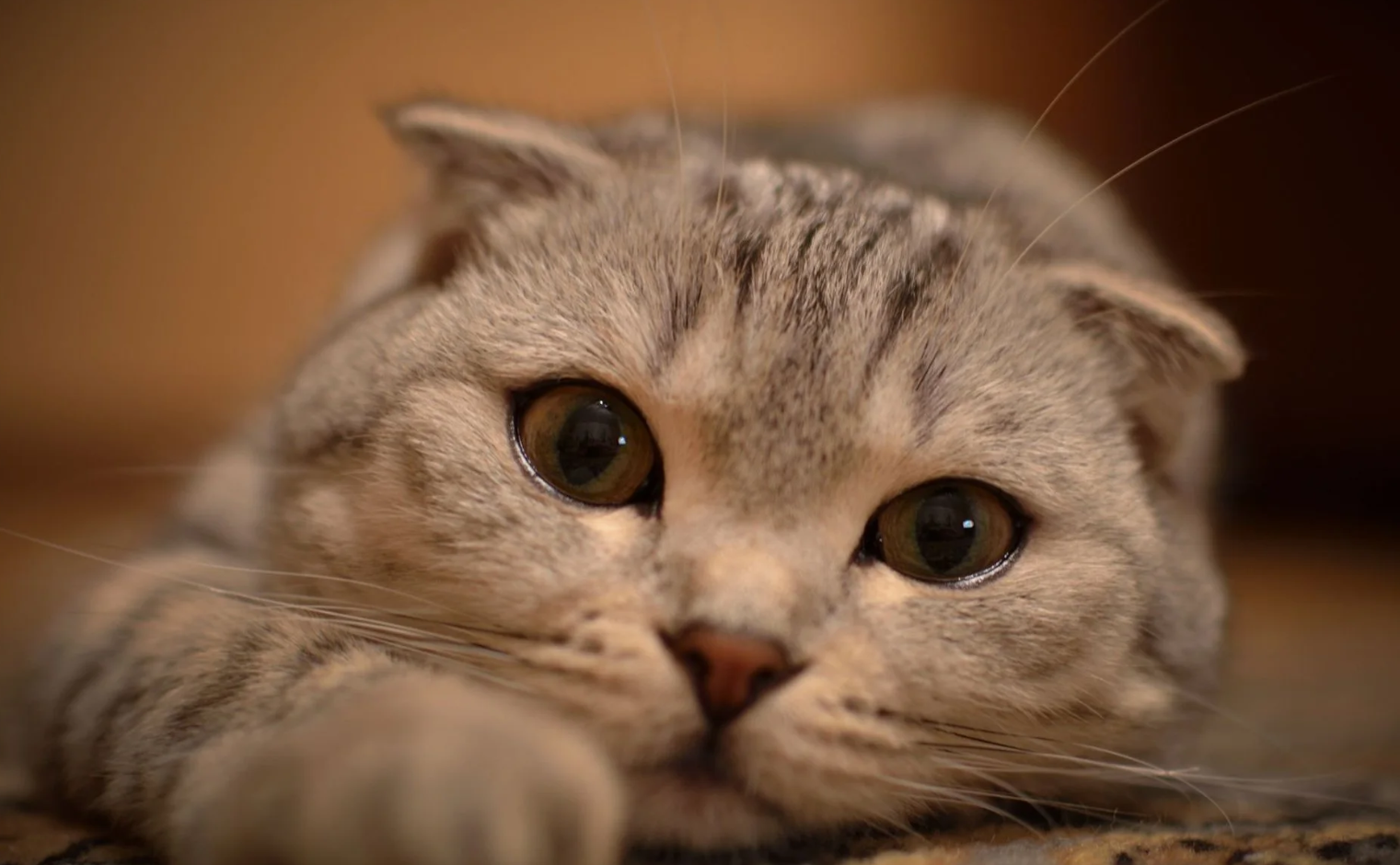
5. Scottish Fold: sweet temperament with special care considerations
Many families are drawn to the gentle look and mellow temperament often associated with the scottish Fold type. They are frequently described as affectionate, calm, and comfortable with indoor life. However, it is important to understand an essential reality – the folded ear trait is linked to cartilage and bone issues in many lines. This does not mean every cat will suffer severely, but it does mean families should be extra careful about breeder ethics, veterinary checks, and long-term health planning.
Why they work for kids – often calm, gentle, home-oriented.
Watch-outs – increased risk of joint discomfort, need for responsible breeding and proactive vet care.
Comparative table – quick family fit guide
| Breed | Kid-friendly temperament | Activity level | Grooming needs | Key consideration |
| Ragdoll | Very gentle, tolerant | Moderate | Moderate | Needs gentle handling, regular brushing |
| Maine Coon | Friendly, confident | Moderate to high | Higher | Needs space and coat maintenance |
| British Shorthair | Calm, patient | Low to moderate | Low | Watch weight, encourage play |
| Burmese | Social, interactive | Moderate | Low | Can dislike being alone too long |
| Scottish Fold | Often calm, sweet | Low to moderate | Low to moderate | Health risks require careful breeder choice |
Practical tips for making any cat kid-friendly
Breed choice matters, but household habits matter more. A well-socialized shelter cat can be safer with kids than a poorly raised purebred kitten. To set everyone up for success, focus on these essentials:
- Teach children “cat consent” – approach slowly, let the cat sniff first, do not grab
- Use structured play – wand toys keep hands safe and let the cat “hunt” appropriately
- Provide vertical escape routes – cat trees and shelves help cats feel secure
- Create a quiet safe zone – a room or corner where kids do not chase the cat
- Watch for stress signs – hiding, tail lashing, ears back, sudden biting during petting
Veterinarian Dr. Marty Becker has repeatedly emphasized the importance of environment and predictability in preventing behavior problems. “When a pet feels safe in the home, you see the best version of its personality. Safety creates trust, and trust creates good behavior.”
The best cats for children are typically those with calm confidence, sociable temperaments, and tolerance for everyday household noise. Ragdolls, Maine Coons, British Shorthairs, Burmese, and Scottish Fold types are often discussed as family-friendly choices, but the most important factor is still the individual cat’s socialization and health background.
A successful match happens when children are taught respectful interaction and the cat is given structure, enrichment, and the ability to retreat. When those elements are in place, a cat can become not only a pet but a gentle teacher of empathy, boundaries, and calm companionship – skills that benefit children for life.