
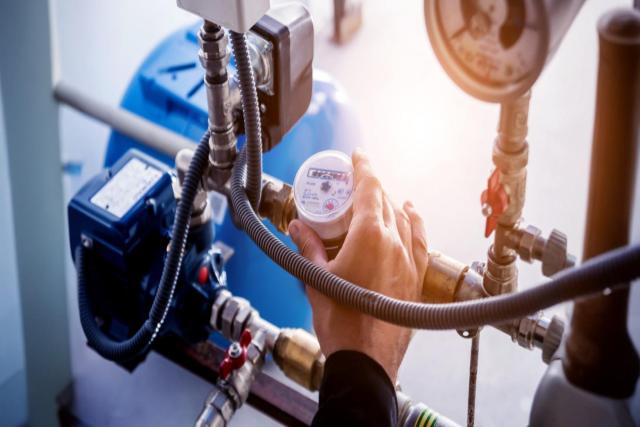
You use water every day, but do you know which water meter best tracks your usage and keeps billing accurate? Types of water meters include mechanical, velocity, and advanced smart meters, each built for different needs in water measurement and accurate billing.
This article will guide you through common options, how they measure water consumption, and which choice fits homes or businesses. Expect clear comparisons of mechanical designs, velocity flow meters, and smart technologies so you can pick the right meter for your situation.
Overview of Water Meter Types
You will find meters that use moving parts, magnetic fields, sound waves, or digital sensors. Each type suits different flows, pipe sizes, and accuracy needs for homes and businesses.
Mechanical Water Meters
Mechanical meters measure flow with moving parts like pistons, gears, or turbines. Positive displacement meters count fixed volumes and work well at low flow rates, making them common in residential meters. Turbine and paddle-wheel types measure velocity; they handle higher flows but need clean water and can wear over time.
You should expect a simple odometer-style register on these meters. They are cost-effective and easy to read, but they may lose accuracy if debris or low flow is present.
Electromagnetic Water Meters
Electromagnetic (mag) meters sense flow by measuring voltage induced by water moving through a magnetic field. They have no moving parts and give steady accuracy across a wide range of flows. These meters require conductive water, so very pure water (like deionized or RO) can cause problems.
You will see these used in commercial and industrial systems where durability and low maintenance matter. They handle large pipes and dirty fluids better than most mechanical types.
Ultrasonic Water Meters
Ultrasonic meters use sound waves to calculate flow speed. Clamp-on versions attach outside the pipe; inline versions replace a section of pipe. They offer high accuracy at both high and low flows and avoid wear because they have no wetted moving parts.
You should note they cope well with varying temperature and pressure, and they work for residential and commercial meters. Air bubbles or heavy sediment can reduce accuracy, so placement and pipe condition matter.
Smart Water Meters
Smart meters add electronics and communications to any metering method. They record detailed, often hourly, usage and send data wirelessly for billing, leak detection, and remote reads. Smart residential meters let you monitor daily use; commercial smart meters support demand management and process control.
You gain faster leak alerts and better billing accuracy, though upfront cost can be higher. Many utilities pair smart meters with ultrasonic or electromagnetic sensors for best results.
Mechanical Water Meters
Mechanical water meters use moving parts to measure water volume. You’ll find two main types that differ by how they capture flow and how they wear over time.
Positive Displacement Meters
Positive displacement (PD) meters trap and move fixed volumes of water through chambers and gears. Each chamber fill equals a known volume, so the register counts exact increments. You get good accuracy at low flow rates, which helps with billing and leak detection.
These meters work well for homes and small commercial services. They do have moving parts, so expect periodic maintenance like seal replacement and cleaning. PD meters are durable when kept clean but can fail if debris or freezing occurs.
Common PD types include nutating disc, oscillating piston, and oval gear. They’re often called PD meters or positive displacement meters in product specs.
Velocity Flow Meters
Velocity flow meters measure how fast water moves past a rotor, turbine, or paddle wheel. The rotation speed converts to flow rate and then to volume. They suit medium to high flow rates and larger pipes.
Turbine and multi-jet meters are popular mechanical velocity meters. They are simpler and robust but need clean water; debris or air can affect accuracy. Maintenance usually involves checking bearings and cleaning the internal rotor. Velocity meters offer long service life when you provide strainers and routine inspection.
Types of Velocity Flow Meters
These meters measure flow by converting water speed into volume. They work best when you match meter style to your pipe size, typical flow rates, and expected flow profile.
Single-Jet Water Meters
Single-jet meters use one focused jet of water that hits an impeller or piston. That single impact turns a small rotor whose speed links directly to flow rate, so they read well at low to moderate flows.
You’ll find them in homes and small buildings because they fit small pipe diameters and cost less. They handle clean water best and need a strainer to stop particles from jamming the jet.
Maintenance is simple: check the nozzle and rotor for wear. For very low or highly turbulent flows, accuracy can drop.
Multi-Jet Water Meters
Multi-jet meters split incoming water into several jets aimed at a rotor. The many jets keep the rotor turning steadily, improving accuracy at lower flow rates and with variable flow profiles.
They suit residential and light commercial use on common pipe sizes. Multi-jet meters resist minor debris better than single-jet types because jets balance each other.
Expect good long-term stability and moderate lifespan. Replace worn vanes and seals to maintain accuracy for typical household flow rates.
Turbine Water Meters
Turbine meters spin an axial rotor placed in-line with the flow. Blade speed rises with flow rate, so they deliver high accuracy at steady, higher flow rates and larger pipe diameters.
These meters work well in industrial and commercial systems where flow profiles are stable. They can struggle with swirl or rapidly changing flows, so install straight pipe runs upstream.
Turbine meters need periodic calibration and may require bearings or magnetic pickups replaced over time.
Compound Water Meters
Compound meters combine a positive displacement chamber for low flows with a turbine element for high flows. They switch between elements to keep accuracy across a wide range of flow rates.
You use compound meters where demand swings widely—large buildings, campuses, and some industrial sites. They handle changing flow profiles without losing measurement fidelity.
Maintenance involves servicing both measuring elements and the transition mechanism to ensure smooth handoff between low- and high-flow modes.
Advanced and Smart Water Meter Technologies
These meters give you higher accuracy, lower maintenance, and better data for billing, leak detection, and water conservation. They work without moving parts and often send real-time readings to your phone or utility.
Electromagnetic (Mag) Meters
Electromagnetic water meters measure flow by detecting voltage induced when conductive water crosses a magnetic field. You get high accuracy across wide flow ranges, making mag meters good for large pipes and municipal use.
They have no moving parts, so wear and maintenance drop. Watch for installation needs: proper grounding and straight pipe runs matter. Electrode coating from minerals can affect readings, so occasional inspection helps maintain billing accuracy.
Mag meters won’t work with non-conductive fluids (like oil). For most treated drinking water and submetering in buildings, they give reliable long-term performance.
Ultrasonic Flow Meters
Ultrasonic water meters use sound waves to measure flow. Transit-style meters compare travel times of pulses; Doppler-style measures frequency shifts from particles or bubbles.
Transit meters suit clean water and give precise, audit-proof readings. Doppler works where water has suspended solids. Both types are non-invasive and lower pressure loss, which reduces maintenance.
They cost more up front but can cut lifetime O&M. In residential water metering or smart water management, ultrasonic meters help with accurate leak detection and remote monitoring.
Smart Water Metering Solutions
Smart water meters combine electronic sensors with wireless communication for real-time data and remote monitoring. You can spot leaks fast, see hourly use in an app, and improve billing accuracy.
These systems support AMR or full AMI networks and enable submetering in multiunit buildings. Consider data security and initial cost; however, smart meters often pay back through water conservation and fewer service visits.
Choose smart meters when you want automated reads, detailed consumption trends, and tools to reduce non-revenue water.