
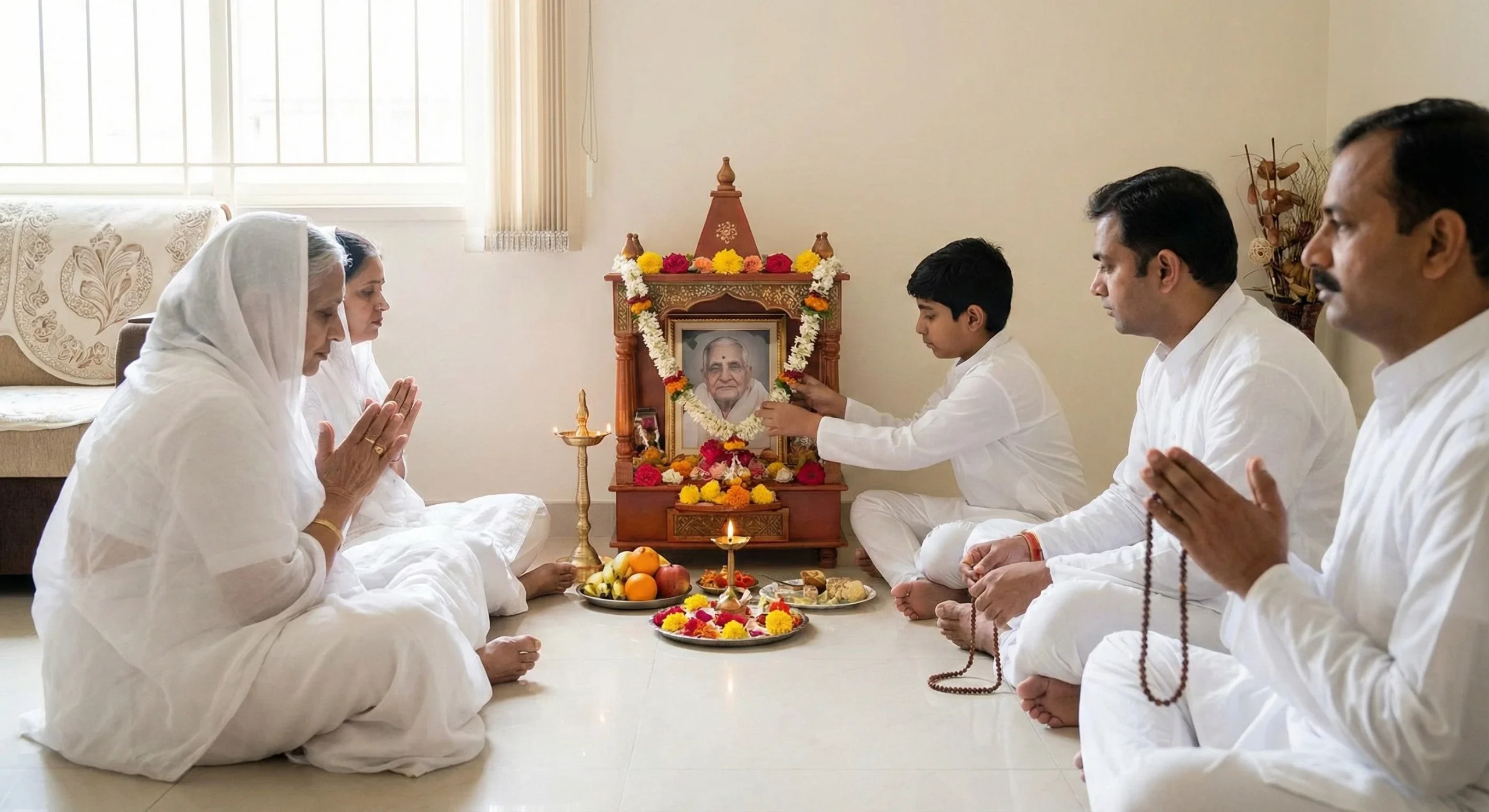
Grief often arrives before anyone feels ready for it. In the first days after a death, families may be dealing with shock, practical decisions, emotional numbness, cultural expectations and the quiet weight of saying goodbye. Funeral traditions can’t remove that pain, yet they can give families something deeply important: structure, language and shared meaning when ordinary life feels suspended.
Across cultures and faiths, rituals help people move through loss with care. Some are public, such as a funeral service, prayers, music or eulogies. Others are private, such as washing, dressing, watching over, lighting candles or gathering as a family before burial. In Jewish funeral practice, the Tahara ritual for honouring the deceased before burial reflects this sense of dignity, tenderness and responsibility in the earliest stage of mourning.
Ritual Gives Shape to the First Days
The days immediately after a death can feel unreal. Time moves differently. Simple decisions may feel difficult, while larger arrangements demand attention quickly. Traditions help by creating a sequence of actions. There’s a person to call, a gathering to plan, a body to care for, words to say, clothing to choose, prayers to recite or family members to notify.
This structure matters. It doesn’t force grief into a neat order, but it gives the bereaved a path to follow when they may not know what to do next. In that sense, ritual becomes a container. Families can lean on something older than the moment they’re in.
Traditions Protect Dignity
Many funeral customs centre on the dignity of the person who has died. They remind families that the deceased isn’t simply a body to be managed, but a person to be honoured.
This might include gentle preparation before burial or cremation, the selection of meaningful clothing, the placement of personal items, cultural prayers, or a quiet viewing. These acts can be profoundly comforting because they transform practical care into an expression of love.
For families, this may also ease feelings of helplessness. Death can make people feel as though everything has been taken out of their hands. Ritual restores one small form of agency. It lets people participate in care, even after life has ended.
Shared Customs Reduce Isolation
Grief can be lonely, even when a family is surrounded by people. Everyone mourns differently. Some speak constantly, some go quiet, some become practical, some break down in waves.
Funeral traditions create a shared point of focus. A service, wake, vigil, prayer gathering or family meal gives mourners a reason to come together without needing perfect words. The ritual carries part of the emotional load.
This is one reason condolences, readings, songs and symbolic gestures can matter so much. They allow people to express what may otherwise feel impossible to say. A hand on the shoulder, a candle lit, a flower placed, a story told; small gestures can hold enormous meaning.
Meaning Helps Families Begin to Integrate the Loss
In the early stage of grief, meaning doesn’t usually arrive as a clear explanation. Most families aren’t trying to make death acceptable. They’re trying to make the love, the life and the goodbye feel acknowledged.
Funeral traditions support that process by asking important questions indirectly. Who was this person? What did they value? What did they give to others? What memories should be carried forward? What beliefs, culture or family practices shaped their life?
A well-held funeral or memorial doesn’t need to be elaborate. Meaning often comes from precision, not scale. The right song. A familiar prayer. A favourite flower. A story that makes people laugh through tears. A quiet moment before the coffin or casket is closed. These details help families recognise the uniqueness of the person they’ve lost.
Cultural and Religious Practices Create Continuity
For many families, funeral traditions connect the present moment with generations before them. A burial custom, mourning period, chant, blessing or communal meal may have been observed by parents, grandparents and ancestors. In moments of loss, that continuity can be stabilising.
These practices can also affirm identity. They remind families that grief isn’t only personal; it can be cultural, spiritual and communal. When a family follows a tradition, they may feel connected to a wider story, one that holds grief as part of life rather than treating it as something to hide.
This can be especially important in multicultural communities, where funeral planning may involve blending religious obligations, family expectations, modern preferences and practical constraints. Sensitive guidance helps families preserve what matters while making decisions that feel workable.
Rituals Support Different Ways of Mourning
Not every person grieves through speech. Some need action. Some need silence. Some need prayer, music, food, memory, touch or time.
Funeral traditions allow for these differences. One person may find comfort in preparing a eulogy. Another may prefer arranging flowers, choosing photographs, making tea for visitors or simply sitting nearby. Ritual gives people roles, and roles can help when grief feels too large to face directly.
This doesn’t mean every tradition will feel right for every family. Some customs may need adaptation. Others may be rediscovered after years of distance from religious or cultural practice. What matters is that the ritual feels respectful, grounded and connected to the person being honoured.
The First Goodbye Matters
A funeral is not the end of grief. In many ways, it’s the beginning of learning how to live with loss. Yet the first goodbye can influence how families remember those early days. Was there care? Was there dignity? Was there space to cry, speak, pray, remember or simply be present?
Funeral traditions help families slow down enough to mark the significance of what has happened. They turn a painful event into a meaningful farewell. They create a bridge between shock and mourning, between practical duties and emotional truth.
In the first days of grief, people don’t need perfect answers. They need steadiness, compassion and rituals that help love remain visible. That’s the quiet power of funeral traditions: they help families honour the dead while gently supporting the living.