
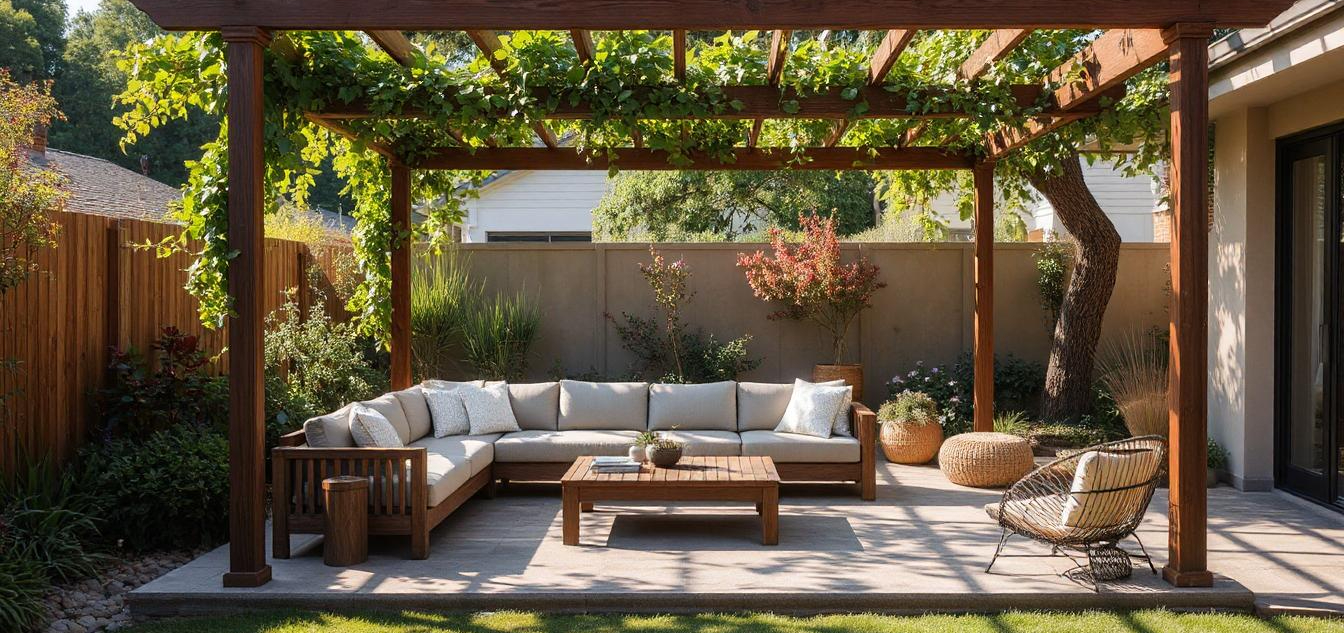
Australian summers test outdoor spaces properly. A patio that feels inviting in spring can become harsh, glaring and underused by January. Paving absorbs heat, furniture becomes uncomfortable to touch, afternoon sun cuts across dining areas, and open lawns can feel more exposed than relaxing.
The difference between an outdoor area that looks good and one that works year-round often comes down to design decisions made early. Shade, airflow, materials, orientation and usability all shape comfort. In many cases, careful shade selection creates cooler and safer outdoor areas without compromising the look or flexibility of the space.
Start With How the Sun Moves
Good outdoor design starts with observation. Where does the morning sun land? Which part of the area cops the harshest afternoon heat? Are there reflective surfaces nearby, such as pale walls, glass pool fencing or metal roofing, that intensify glare?
In Australia, western sun is often the biggest challenge. It sits low, hits hard and can make late-afternoon entertaining uncomfortable. A pergola or roofline may block overhead sun beautifully at midday, yet do little once the sun drops sideways. That’s why effective shade planning needs to consider angle, season and time of day, not just coverage from above.
Before choosing structures, furniture or planting, it’s worth mapping the space across a hot day. The most comfortable layout may not be the most obvious one.
Choose Shade That Suits the Space
Shade isn’t one-size-fits-all. Fixed roofing, louvred pergolas, retractable awnings, umbrellas, shade sails and planting all behave differently.
A fixed structure offers reliable coverage and can make an outdoor room feel more permanent. Retractable systems give flexibility when you want winter sun or open sky. Shade sails can cover large areas economically, though they need careful tensioning, positioning and drainage planning. Mature trees provide beautiful natural cooling, but they take time to establish and need maintenance.
The best solution often layers shade rather than relying on a single feature. A covered alfresco area might be paired with adjustable blinds for low-angle sun. A poolside zone might use a combination of trees, umbrellas and overhead shade. This layered approach gives people options, which matters when temperatures shift across the day.
Prioritise Airflow, Not Just Coverage
Shade reduces direct heat, but stagnant air can still make an outdoor area feel heavy and uncomfortable. A well-designed summer space needs airflow.
Avoid blocking every side with solid screens, walls or dense planting unless privacy is the main priority. Permeable screening, open battens, climbing plants and adjustable blinds can provide protection while still allowing movement. Ceiling fans can also make a major difference in covered patios, especially where natural breezes are limited.
The goal isn’t to create a sealed outdoor room. It’s to manage exposure while keeping the space breathable.
Select Materials That Don’t Fight the Climate
Some materials look excellent in photos but perform poorly in extreme heat. Dark paving can become painfully hot underfoot. Metal furniture may absorb heat quickly. Glossy surfaces can create glare. Synthetic turf can become far hotter than natural grass or planted groundcovers.
For summer comfort, material selection needs to balance appearance with thermal performance. Lighter-coloured pavers, textured finishes, timber decking, natural stone in suitable tones, outdoor rugs and planted edges can all help soften heat. Around pools and barefoot areas, surface temperature should be treated as a practical design factor, not an afterthought.
Furniture matters too. Breathable fabrics, UV-resistant cushions, timber frames and shaded placement often make outdoor seating far more usable during peak summer.
Use Plants as Living Climate Control
Planting does more than make an outdoor space attractive. Trees, shrubs and climbers can cool the surrounding air, reduce reflected heat and make hard surfaces feel less exposed.
Deciduous trees can be especially useful in some climates because they offer shade in summer while allowing sunlight through in winter. Evergreen screening may be better where privacy and year-round protection are needed. Climbing plants over pergolas, green walls near seating zones and garden beds around paved areas can all reduce the harshness of built surfaces.
Planting also changes the mood of a space. A shaded courtyard with greenery feels calmer and cooler than a fully paved area with no softness, even when the temperature difference is modest.
Think About Zones, Not Just One Outdoor Area
Comfortable summer design often depends on creating multiple zones. A dining area may need solid overhead protection. A lounge area might benefit from dappled shade and airflow. A barbecue space needs ventilation, task lighting and room to move. A poolside section needs shade close enough to use between swims.
When everything is forced into one exposed area, the space becomes less adaptable. By creating zones, the outdoor area can respond to different times of day, group sizes and weather conditions.
This also helps with furniture placement. Large outdoor settings shouldn’t be positioned purely for symmetry if they’ll sit in full afternoon sun. Comfort should lead the layout.
Don’t Forget Evening Use
Australian summer comfort isn’t only about surviving the hottest part of the day. Many outdoor spaces are used most in the evening, when the temperature drops and people want to linger outside.
Lighting, insect management, ventilation and furniture layout all shape how well the space performs after sunset. Soft, layered lighting is usually more inviting than one harsh overhead fitting. Fans can help with both comfort and insects. Outdoor kitchens, drinks stations and storage reduce trips inside and make entertaining easier.
A good summer outdoor space should transition smoothly from afternoon shade to evening relaxation.
Comfort Comes From Design, Not Guesswork
The most successful outdoor spaces don’t rely on a single feature to solve summer heat. They combine shade, airflow, smart materials, planting and thoughtful orientation. Each decision reduces friction, making the area easier and more enjoyable to use.
In a climate where outdoor living is part of everyday life, comfort shouldn’t be treated as a bonus. It’s what turns a backyard, balcony or alfresco area into a space people actually want to spend time in, even when summer is at full strength.