

Casino gaming is a huge content niche on streaming social platforms like Twitch and TikTok. These forms of digital media are now shaping the next generation of players.
Once upon a time, slot players sat alone beneath neon lights, feeding coins into humming machines in smoke-filled halls. These games were designed for solitary, low-wagering, low-payout entertainment. Yet that could not be further from the modern-day reality, where smartphones and connectivity have repositioned casino gaming as an interactive, social endeavour. Crisp animations are backed by pulsing soundtracks and innovative mechanics. Streaming platforms like Twitch and TikTok are essential to this, promoting games to a new generation of players.
What Casino Games Are Streamed on TikTok and Twitch?
Playing live casino games is now an exciting, dynamic industry. It is expected to be enjoyed by around 95.8 million people in the US alone by 2029. Canada has also developed its provisions, with around 3.2 million people playing currently. This has been grown through the use of no deposit casinos in Canada, which allow new players the chance to try table games and slots without making a deposit. Like all forms of entertainment, it was only a matter of time before people began to stream their gaming.
Twitch is a live video platform, currently owned by Amazon. It is most well known for console and PC title streaming, but there are plenty of other niches you can enjoy in its categories. These can include music, cookery and general chat. Gambling content tends to fall under a range of its many tags. There is a virtual casino at 27.9K, along with slots at 14.3K and a casino simulator at 1.3K. It has always had a cult poker following since its early days.
In the heyday of gambling on the platform, it was not uncommon to find 25,000 to 35,000 viewers on a single slot stream. Heyday is the chosen word, as Twitch formerly had a wider range of exhilarating gambling content on its website, which no longer exists. Due to mounting criticism and regulatory concerns, it changed its policies. It now allows streams only from licensed operators, with sports betting, fantasy sports and poker from anywhere on the globe.
There are also certain operators which are not allowed on its site, mainly cryptocurrency-based casinos, or any streams of games from operators that are not licensed in a certain jurisdiction. It is also strictly forbidden in the terms and conditions that it does “not allow users to share links or affiliate codes to sites that contain slots, roulette, or dice games.”
TikTok works slightly differently, due to its focus as one of the worlds most used social platforms more than a streaming one (You can stream on it, but this is not the main form of content). You may have used it to create short-form videos that take a variety of forms. Owned by Chinese internet company ByteDance, its videos can last between three seconds and an hour. According to Statista, it now has 1,990 monthly users.
The streaming of any form of gambling is not allowed according to TikTok’s terms and conditions. However, creating engaging videos on the subject are fine. This means that you are free to create discussions, promote casino resorts, create content on playing games and so forth. This can differ in some jurisdictions due to TikTok having unique agreements with certain providers. TikTok is now a great place for you to find short-form videos on everything you need to get educated in a fun way about online casinos and slots, along with being a great place to promote them.
How Is Casino Streaming Influencing the Next Generation?
From looking at the rise in content on both Twitch and TikTok, there are some obvious takeaways. The first is that social interaction is key, evident in the conversations on Twitch and comments on TikTok. Statistics back this up. A recent study conducted by YPulse found that around 58% of Gen Z and 53% of millennials prefer experiences involving social elements and sensory stimulation, as opposed to material outcomes. This suggests that winning cash can often come a close second to the experience of playing.
Operators have reacted to this in different ways. With regard to attracting new players, they often provide free-to-play titles or allow access to games without the need to make a deposit. The range of providers and those based elsewhere around the globe is growing steadily. They provide you with a way to experience the joy of casino gaming, though without the need to risk money.
A response to this has also been forthcoming in their offerings, with live dealer games. These involve streaming elements, providing a live dealer in a studio who hosts the action. This replaces the social element you get when visiting a real casino, which is lost online. Imagine moving through the casino floor, talking to other players and speaking to the dealer about your luck. This is what live dealer games aim to provide in a digital setting.
The second point is that social media is fast, and TikTok’s short-form content embodies that. This is pushing players towards a quicker, more instant reward types of gaming experience. The same survey found that 44% of Gen Z and Millennials prefer casino table games. With the rising figures for slots (Compound annual growth rate of 9.2%) across the globe, this shows that people are seeking easier-to-play, quick payout games.
This has also had an adverse impact. The average length of an online slot game has dwindled, going from 45 minutes to 12 minutes. While younger players are attracted to slots in larger numbers, their attention span is taking them elsewhere quickly.
How Does Crash Gaming Embody Modern Gambling Needs?
The recent rise in the crash gaming phenomenon embodies both these elements of a desire for fast, social gaming. Its rise to prominence is further proof of that changing mindset. On paper, crash gaming titles sound quite unfulfilling. You place a bet on the trajectory of an onscreen aircraft or other object. The longer you stay in the game, the more multipliers increase your bet, and you must cash out before the object crashes out lest you lose your money. You really couldn’t bet on anything simpler, or possibly less exciting.
Yet it has been the additions that have created huge interest in crash gaming titles. Aviator alone, the first and most prominent game in the genre, generates $13.9 million a year. It has done this not through complex mechanics or immersive worlds, but with social interaction. Aviator was the first casino game to have a lobby area, where people can see leaderboards, other players’ wins and ways to interact. There are even now options to share bets, pooling resources and tactics. This means people have social experience not found in other casino games.
The Impact of Streaming on Game Design
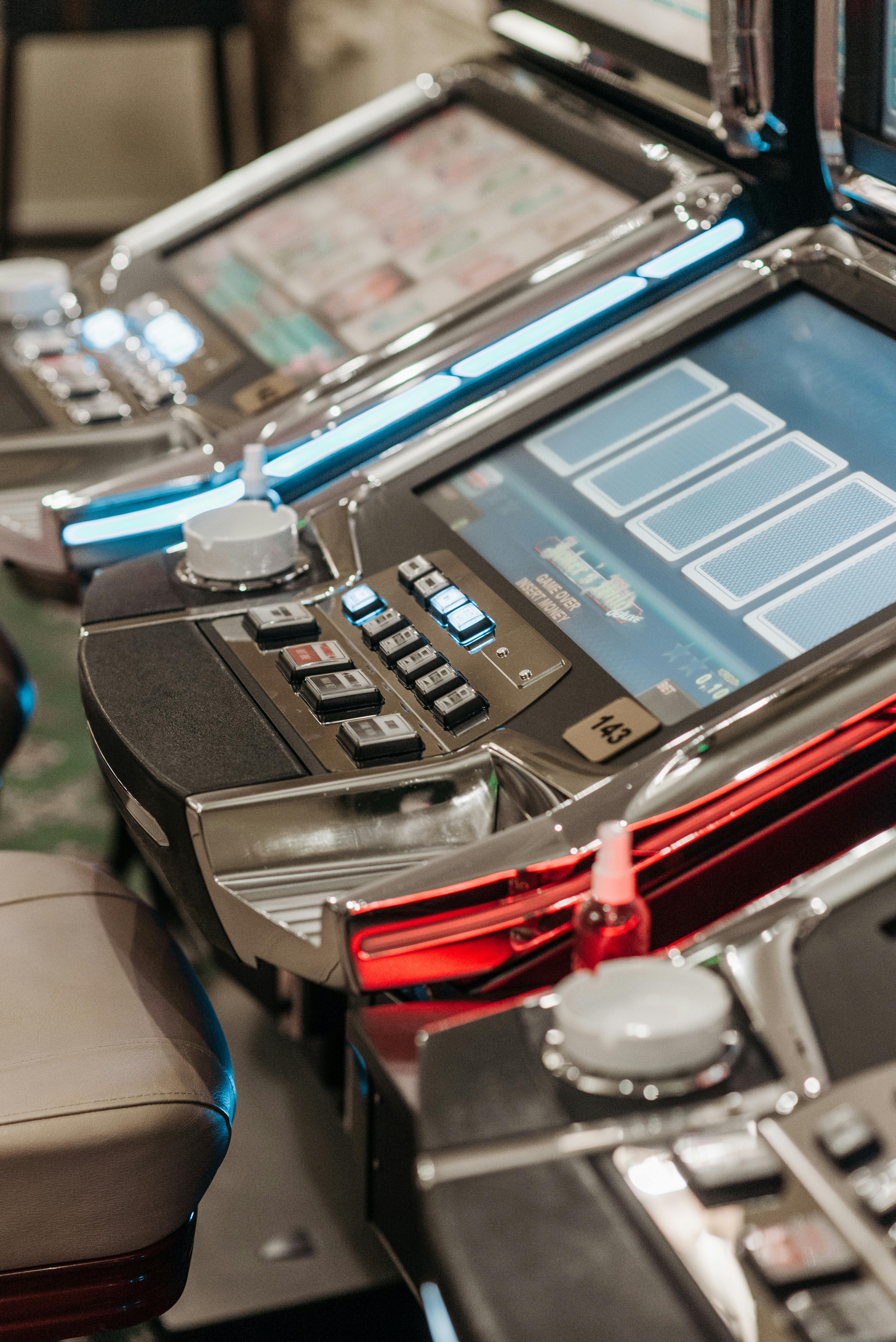
If streaming and social media have made players want quicker, more social and shareable experiences, then that has been evident in game design. Many first-generation digital slot games were fairly simple affairs, but over time, they have adapted. Mechanics have become more complex, and animations have become brighter and beautiful. Major systems like Megaways, with cascading reels and huge explosive wins, are becoming more popular.
Certain studios have also begun to blur the line between video gaming and slots. NoLimit City are one studio pushing the boundaries of what is expected in a casino game. With unique, irreverent topics and unique designs, they often have more in common with action based titles like Grand Theft Auto and Fallout than they do slots. Character selections can influence bonus rounds and outcomes, and level systems are introduced. All of these are designed to create one thing: Unique moments that can make one invigorating win entirely different from the next.
The Legality of Streaming Gambling Content
Streaming on social platforms has not been without its detractors. The obvious criticism is that it encourages gambling in the younger demographics, and platforms have had to adapt to this. In 2022, Twitch implemented major changes to what was allowed on its platform, with many streamers leaving altogether. The result of this was that platforms have now been built that really push gambling content, more so than other streaming platforms. The most obvious of these is Kick, which is backed by the global gambling brand Stake. According to the Streamingcharts, across all platforms, the top 20 streamers in the slots and casino category operate on Kick. These include Trainwreckstv, Maherco and Classybeef.
Authorities are also going after streamers and influencers who break laws on gambling promotions. The Danish regulator, known as the Spillemyndigheden, was one of the most recent to fine a streamer for the promotion of illegal gambling websites. A fine of DKK 10,000 was given to them, and it is the second time that authorities have issued a fine for violations of this nature. It involved the promotion of illegal casino games on their stream.
Australia is another country that recently sent out warnings to streamers and influencers regarding the promotion of illegal online gambling operators. Offshore bookmakers are forbidden from offering their services in Australia. In this case, many streamers believed the company they were advertising was Australian. This idea was perpetuated by its branding, which stated that it was “Australia’s #1 Interactive Gaming and Sportsbook since 2008”. However, the company was actually housed, licensed and regulated in Anjouan, a small island off the coast of Africa. All of these signals that times are changing for streamers, and they must now bear responsibility and face legal consequences for what they are promoting.
The fear of missing out, or FOMO, is a huge part of the attraction of online casino gaming on social media. The huge wins often suggest to people that they can also take part, and they are missing out financially if they do not. This means games can go viral, and players may even be seen copying stakes and patterns. This can be extremely dangerous when you consider that many streamers spend huge amounts on content they put out and win, but rarely post the losses they have encountered.
It is obvious that casino content creators are shaping the next generation of players in compelling ways. The reach of this goes much further, however, and is shaping laws, operator procedures and game design. Yet it may also be said that these young consumers are shaping the world of content. Through the hegemony of social media, they are pushing for video and streams that they already desire, creating a perfect circle that is welcoming a whole new era to the world of iGaming.