
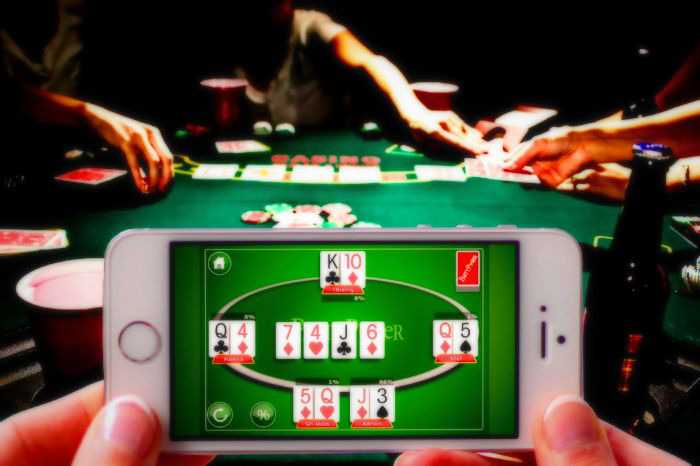
Multiplayer video games may look very different from poker tables. Yet the skills you build online can give you a big edge when playing cards. Both worlds require focus, strategy, and the ability to read people. If you enjoy both, you may be surprised to see how much one improves the other.
Fast Thinking Under Pressure
In a video game, you have only seconds to act. One wrong move can end the match. Poker works the same way. You must make quick choices while keeping calm. This habit of fast but clear thinking carries over from gaming to the felt.
Reading Opponents’ Behavior
Gamers often watch their rivals for small clues. A sudden pause, an unusual move, or a risky attack can reveal intent. Poker demands the same skill. Spotting a nervous shuffle or a rushed bet tells you when someone is weak. Multiplayer games sharpen that sense of reading subtle signals.
Managing Limited Resources
Every online game gives players a set amount of lives, ammo, or time. You must use these wisely to win. Poker chips act the same way. A player who learns to stretch a little into a lot has the upper hand. Gamers practice resource control daily, and it becomes second nature at the poker table.
Building Patience and Timing
Good players know when to wait and when to strike. In many games, rushing into battle leads to a quick loss. Poker also rewards patience. Waiting for the right cards or the perfect bluff pays off. Games teach players that timing is as important as action.
Teamwork and Psychology
Even in competitive titles, teamwork plays a role. You learn how people act when they want to hide something or gain trust. Poker is also a mind game. Understanding psychology helps you bluff, trap, and adjust. Multiplayer gaming creates a training ground for studying how people behave in high-stakes moments.
Adapting to New Situations
Video games constantly change. Developers update maps, weapons, or rules. Players must adapt to stay on top. Poker has the same shifts. Every table is new, and every hand is different. The skill of adapting without panic is key. Gamers walk into poker rooms already trained to handle change.
Handling Wins and Losses Gracefully
Gamers lose often. You may fall in battle, miss a shot, or lose a round. Poker players also face many losses. Even the best fold more hands than they play. Learning not to tilt after a defeat makes you stronger. Multiplayer gaming builds this mental strength and emotional control.
Sharpening Memory and Focus
Games often demand you to recall maps, enemy patterns, and item locations. Poker also rewards memory. Remembering what others did in past hands can guide future choices. Gamers who practice focus and recall can track details at the card table more easily.
Improving Risk and Reward Judgment
Every time you charge an enemy base or guard a weak position, you weigh risk versus reward. Poker is built on the same math. Is the pot big enough to call? Should you fold or push? Gamers grow skilled at quick risk checks, which leads to sharper poker instincts.
Learning From Community and Competition
Online games thrive on forums, chat, and shared knowledge. Players swap strategies, tips, and replays. Poker also has a strong learning culture. Watching how others play and sharing ideas helps you grow. If you already take part in gaming groups, you will find poker study groups natural.
Connecting Fun and Strategy
The best part is that both activities are fun. When people play for joy, they practice without feeling like they work. Poker gains the same edge. If you see the game as part challenge, part play, you improve faster. Multiplayer gaming builds that mix of fun and strategy.
Global Reach of Both Worlds
Multiplayer games connect people worldwide. You can face rivals from any country at any hour. Poker tables online are just as global. You may even see ads for australian casino sites like jokacasino while learning poker online. Both scenes remind you that skill beats distance, and practice makes perfect.
Why Gamers Transition Well to Poker
The mix of focus, patience, and quick judgment creates a natural link. Many pro players admit to having gaming backgrounds. They see the card table as another arena with different rules but the same mindset. Gamers arrive with built-in strengths that give them an early lead.
Practical Steps for Gamers Entering Poker
If you play games now and want to try poker, start small. Join free online tables first. Notice how the pace, reading skills, and risk choices feel familiar. Bring the same focus you use when gaming. Track your progress, learn from each session, and apply your gaming habits wisely.
Conclusion
Multiplayer gaming is more than entertainment. It is a training ground for real-world skills. Fast thinking, patience, focus, and risk control all shine at poker tables. Whether you play for fun or for serious stakes, your gaming hours have already given you tools to succeed. So next time you sit at a poker table, remember: every match you played online helped prepare you for that moment.