
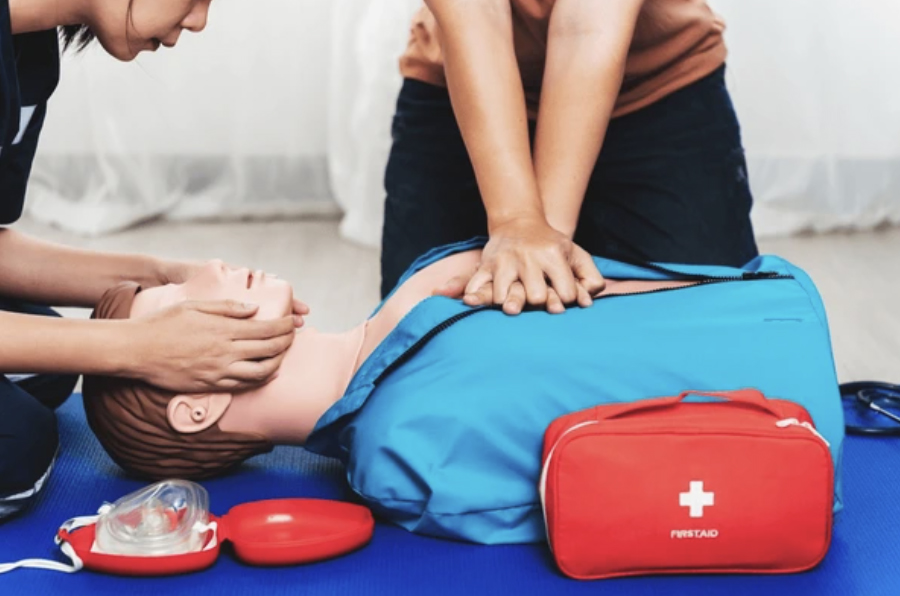
Professional first aid training offers more than a certificate. It provides practical tools, sharper awareness, and the confidence to respond effectively when health emergencies arise. Whether at work, at home, or in public, trained individuals bring calm structure to moments that might otherwise feel chaotic. Completing a first aid course Melbourne gives individuals the practical confidence to step forward and assist effectively when unexpected medical situations arise.
A Clear Framework For Handling Emergencies
One major benefit of professional training is learning a reliable process. Instead of reacting emotionally, participants are taught to follow a logical sequence: check safety, assess the person, and choose appropriate action. This framework helps prevent rushed or unsafe decisions.
Through first aid training programs, learners practice applying this structure in varied scenarios. Repetition turns the process into a habit, making it easier to think clearly when real situations unfold.
Practical Skills You Can Use Immediately
Hands-on practice is central to professional instruction. Participants do not just watch demonstrations; they perform techniques themselves. This includes supporting injuries, assisting someone who feels faint, and responding to breathing difficulties.
In first aid course settings, guided practice builds familiarity with equipment and techniques. This practical exposure ensures that knowledge is not abstract but ready to use when needed.
Better Recognition Of Warning Signs
Early recognition can change outcomes. Professional training sharpens observation skills so participants notice subtle changes in a person’s condition. Breathing patterns, skin colour, and responsiveness are key indicators that guide next steps.
A first aid course teaches how to interpret these signs quickly. This awareness helps responders act sooner and communicate accurate information to medical professionals.
Stronger Communication Under Pressure
Emergencies demand clear, concise communication. Training includes how to call for help effectively, give instructions to bystanders, and reassure the person receiving care. These skills reduce confusion and improve coordination.
Participants in first aid training often report feeling more comfortable speaking up in urgent situations. This confidence supports smoother teamwork and faster assistance.
Emotional Control And Focus
Stress can cloud judgment. Professional courses introduce realistic simulations that challenge learners to manage emotions while completing tasks. This controlled exposure helps build mental resilience.
During first aid courses, participants practice maintaining focus even when scenarios feel intense. The result is a steadier mindset that supports sound decisions beyond emergency care.
A Prevention Mindset
Professional training also encourages prevention. As learners understand how injuries occur, they become more alert to hazards in their surroundings. This mindset leads to safer habits at home and work.
Completing a first aid course often prompts individuals to address risks such as cluttered walkways or unsafe storage. Preventive awareness reduces the likelihood of incidents before they start.
Greater Personal Responsibility
Training fosters a sense of responsibility toward others. Participants recognise that their knowledge can make a difference during critical moments. This awareness encourages initiative rather than hesitation.
Through first aid training Melbourne, individuals develop the confidence to step forward when someone needs help. They understand the limits of their training while still feeling capable of providing meaningful support.
Adaptability Across Settings
Professional instruction prepares learners to respond in varied environments. Emergencies do not occur in ideal conditions, so adaptability is essential. Training includes scenarios from homes, workplaces, and public areas.
In first aid courses Melbourne, learners practice adjusting their approach based on available resources and surroundings. This flexibility increases overall readiness.
Lifelong Skills And Ongoing Growth
First aid knowledge stays relevant throughout life. Refresher sessions help maintain skills and update techniques as guidelines evolve. The initial training becomes a foundation for continued learning.
A first aid course is not a one-time event but the start of ongoing preparedness. Participants carry forward skills that support family, colleagues, and communities for years.
Professional first aid training equips people with practical abilities, emotional steadiness, and a preventive outlook. These gains extend far beyond emergencies, shaping how individuals observe, decide, and act in daily life. By investing in quality instruction, learners gain confidence and clarity that can truly make a difference when every moment counts.