
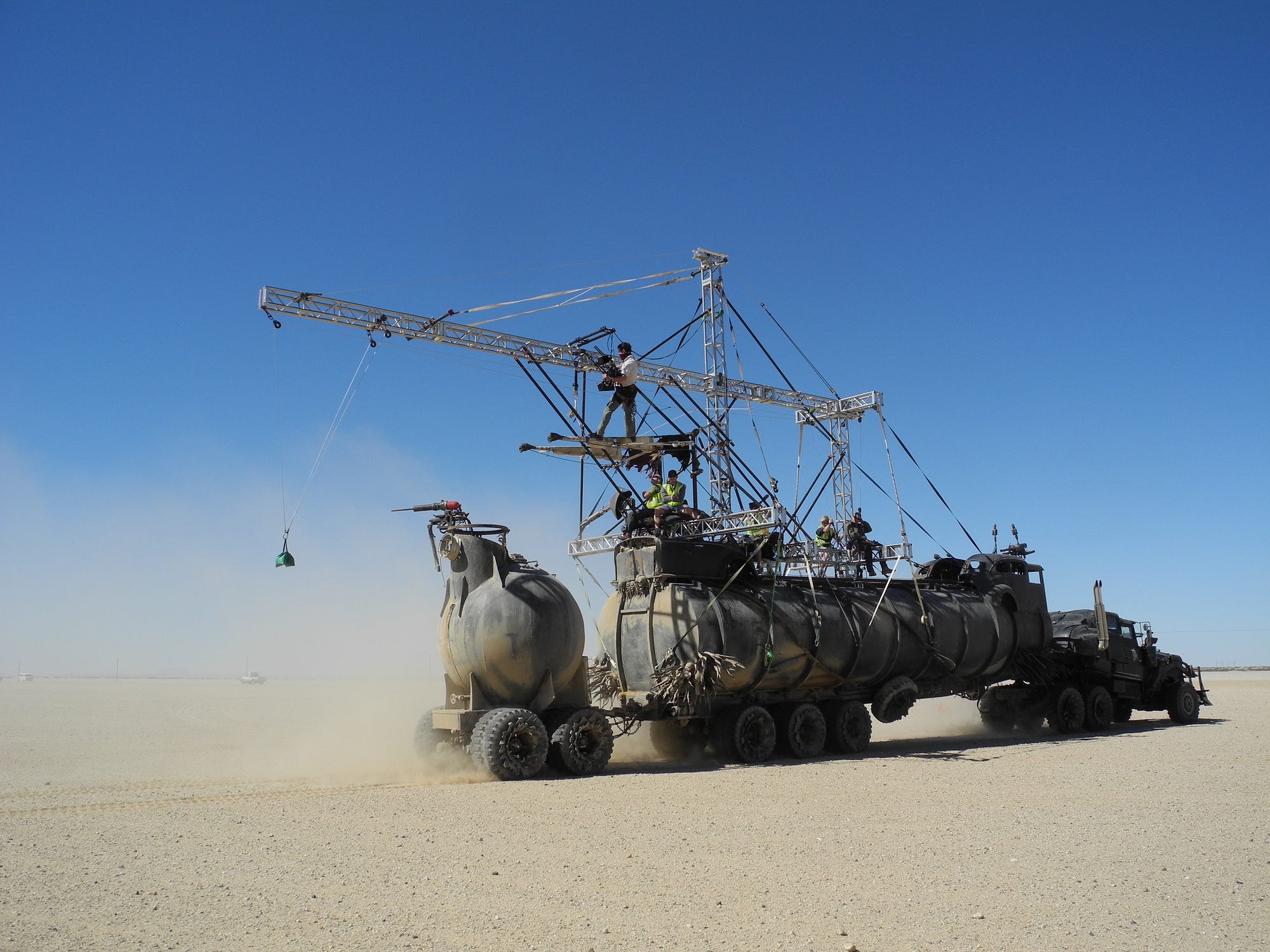
When you watch a concert, sporting event, or theatrical performance, you notice the dazzling lights, massive screens, and performers soaring through the air. What you don’t see are the tons of steel, miles of cable, and expert rigging crews working above the audience to make every moment possible. These invisible systems suspend equipment weighing thousands of pounds and enable the spectacular effects that define modern entertainment.
Unveiling the Hidden World of Event Rigging
Behind every spectacular concert or arena show, rigging systems work tirelessly to suspend lighting arrays, LED walls, and sound equipment above your head. These complex infrastructures require precise engineering and dedicated specialists who ensure both safety and spectacle.
Why Rigging Matters in Major Entertainment Events
Event rigging forms the structural foundation that makes modern productions possible. Without it, you wouldn’t see those massive video screens, dynamic lighting rigs, or carefully positioned speaker arrays that define today’s entertainment industry.
Safety stands as the primary concern. Rigging systems must support thousands of pounds of equipment suspended over performers and audiences. Every component—from trusses to shackles—carries specific load ratings. Engineers calculate precise weight distributions and apply safety factors to prevent failures.
How Rigging Shapes the Audience Experience
The rigging equipment you never notice directly creates the immersive experience you remember. Suspended LED walls provide clear sightlines from every seat. Overhead lighting rigs enable dramatic effects and color changes. Properly positioned speakers deliver balanced sound throughout the venue.
The Unsung Heroes: Rigging Crews and Specialists
Rigging professionals work before you arrive and after you leave. These specialists assess venue structures, design custom suspension systems, and execute complex installations. They adapt to different locations—from stadiums to convention centers—creating temporary systems that meet each production’s unique requirements while maintaining strict safety standards.
Engineering the Impossible: Core Rigging Techniques and Tools
Major entertainment events rely on theatrical rigging systems that distribute loads across multiple points using pulleys, hoists, and counterweights. These systems work with physics principles to safely suspend performers, scenery, and equipment weighing thousands of pounds above audiences.
Fundamentals of Theatrical and Event Rigging
When you watch a concert or Broadway show, you’re seeing the result of carefully engineered stage rigging systems. These systems use rope, cable, and steel to suspend elements above the performance space.
Counterweight systems form the backbone of traditional theatrical rigging. You’ll find them in most venues, using iron weights to balance the load of scenery and lighting. The rigging equipment operates on simple machines principles, making it possible for a single stagehand to control hundreds of pounds.
Dead-hang rigging provides fixed suspension points for permanent installations. Fly systems allow vertical movement of drops, curtains, and scenery during performances.
Key Components: Pulleys, Hoists, and Counterweights
Your rigging system depends on three essential elements working together. Pulleys redirect force and create mechanical advantage, reducing the effort needed to lift heavy loads.
Hoists provide the lifting power, available in manual chain hoists or electric motor-driven units. Chain motors can lift equipment at controlled speeds ranging from 4 to 32 feet per minute.
Counterweights balance the system in traditional fly houses. Steel or iron weights match the load weight, creating equilibrium that lets operators move scenery smoothly.
The Physics Behind Load-Bearing and Safety
The force calculations in rigging follow strict engineering principles. You must account for static loads (equipment weight), dynamic loads (movement forces), and shock loads (sudden impacts).
Working Load Limit (WLL) represents the maximum weight equipment can safely handle. Industry standards require a safety factor of 5:1 or higher for overhead rigging, meaning equipment rated for 1,000 pounds actually has a breaking strength of 5,000 pounds.
Load distribution across multiple points prevents single-point failures. Bridle configurations spread weight across two or more attachment points, reducing stress on individual components.
Automation and Motorized Solutions
Modern entertainment venues use automated rigging systems controlled by computer software. These systems synchronize multiple hoists to move complex scenery with precision measured in millimeters.
Variable frequency drives control motor speed, enabling smooth acceleration and deceleration. Motion control systems can store cues and replay them with perfect accuracy for every performance.
Chain hoists dominate touring productions, offering portability and flexibility. A single arena concert might use 200+ motors to suspend audio, lighting, and video equipment totaling 100,000+ pounds.
Spectacle Behind the Scenes: Rigging for Major Sporting and Live Events
Major events require complex rigging systems to support lighting, audio equipment, and massive displays that transform venues into immersive experiences. Event rigging adapts to different locations, from stadiums to outdoor festivals, using temporary systems designed for each production’s specific needs.
NFL Games and Stadium Transformations
NFL games demand sophisticated rigging to support broadcast equipment, scoreboards, and halftime show elements. Stadium rigging systems suspend speaker arrays that deliver clear audio to tens of thousands of fans while maintaining sightlines. When halftime shows transform the field, riggers work within tight timeframes to hang lighting trusses and special effects equipment safely above performers and crowds.
Concerts, Festivals, and Touring Shows
Touring productions rely on portable rigging systems that adapt to arenas, convention centers, and outdoor venues. You’ll find riggers suspending trusses, lighting arrays, and audio systems without permanent structures to support them. Each venue requires custom rigging plans based on roof capacity and available attachment points.
Massive Video Walls and LED Installations
Video walls at entertainment events can weigh thousands of pounds and require precise load calculations. Riggers distribute weight across multiple points using hoists and bridles to position LED screens at exact heights and angles. The entertainment industry depends on these installations for concerts, award shows, and sporting events where screens enhance audience visibility.
Conventions and Trade Shows: Special Event Rigging Challenges
Trade shows and conventions present unique rigging demands that differ significantly from concerts or theatrical productions. These environments require flexible solutions for exhibitor needs while maintaining strict safety standards across sprawling exhibition halls.
Rigging for Large-Scale Trade Show Installations
Exhibition spaces require rigging systems that support diverse loads across multiple booths simultaneously. Chain motors typically handle weights ranging from 150 to 1,500 pounds per point, accommodating everything from lighting to video displays.
Ground-supported truss totems offer cost-effective alternatives when ceiling access is limited or expensive. These systems use weighted bases with approximately six-foot-by-six-foot footprints and can reach heights of 18 to 25 feet.
Creative Problem-Solving in Unconventional Venues
Warehouses and temporary venues often lack permanent rigging infrastructure. Genie and Sumner lifts provide mobile solutions with tripod bases that support 400 to 650 pounds. You can position multiple lifts with horizontal truss spans to create custom rigging configurations where ceiling points don’t exist.
Compliance, Permitting, and Safety Standards
Each facility enforces specific load limits and regulations. Venues typically specify weight capacities per point, commonly 500 or 1,000 pounds. You must account for dynamic loads during movement and understand that center motors carry approximately 62% of evenly distributed weight across three points.
From Safety to Spectacle: Risks, Standards, and Innovations
The entertainment industry balances creative ambition with rigorous safety requirements, where proper protocols prevent disasters and emerging technologies reshape what’s possible. Understanding these systems reveals how professionals manage risk while pushing boundaries.
Rigging Safety Protocols and Training
Professional rigging crews complete specialized certifications before handling equipment on major productions. You’ll find riggers trained in load calculations, structural engineering basics, and emergency procedures specific to entertainment venues.
Standard safety protocols include:
- Pre-show inspections of all cables, motors, and attachment points
- Weight distribution calculations with safety factors of 5:1 or higher
- Redundant systems for critical suspended elements
- Regular equipment retirement schedules
Modern training programs use hands-on workshops and increasingly incorporate virtual reality simulations. These programs teach proper hardware selection, from shackles to chain hoists, ensuring teams understand the rated capacity of every component. Daily briefs before each show reinforce communication protocols between ground crews and elevated technicians.
Notorious Failures and Lessons Learned
The 2011 Indiana State Fair stage collapse killed seven people when high winds toppled rigging structures. Investigations revealed inadequate wind load planning and insufficient structural support, leading to stricter weather monitoring requirements across the industry.
Similar incidents have driven major changes. The entertainment industry now mandates structural engineering reviews for temporary outdoor stages. Many venues require real-time weather monitoring systems that trigger evacuation protocols at specific wind speeds.
These tragedies established that cost-cutting on rigging equipment or qualified personnel creates unacceptable risks. Insurance requirements and legal liability standards now reflect these hard-learned lessons, with detailed documentation required for every rigging decision.
Sustainability and the Future of Event Rigging
Smart rigging systems now use IoT sensors to monitor load stress in real-time, detecting potential failures before accidents occur. These innovations reduce material waste by extending equipment lifespan through predictive maintenance.
Sustainable practices include aluminum truss systems that last decades with proper care and modular designs that adapt to multiple venue configurations. Solar-powered hoists and LED lighting reduce energy consumption at outdoor festivals.
Remote monitoring capabilities mean smaller on-site crews can manage complex rigging arrays safely. AI-powered analytics identify unusual stress patterns, while automated systems adjust motor speeds to minimize wear on rigging equipment during shows.