
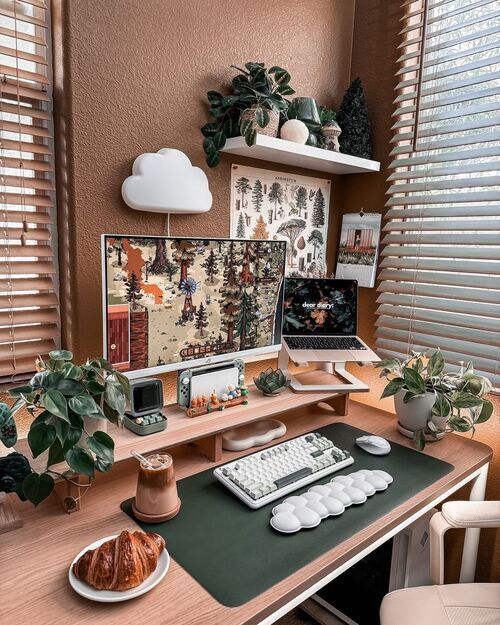
A modern computer is far more than a tool—it is a personal universe that adapts to our emotions, habits, and daily rhythms. For many people, time spent at the computer is not simply about work or entertainment; it becomes a ritual that anchors them in moments of calm and control. The digital space we create around our screens shapes our mood, influences our productivity, and even affects our long-term well-being.
Today, the computer acts simultaneously as a workstation, a creative hub, a communication center, and a retreat for mental rest. As our online and offline worlds continue to merge, building a comfortable and empowering digital environment becomes a vital component of a healthy lifestyle. This article explores how and why the computer becomes a place of power—and how intentionally shaping this space can transform everyday life.
A personalized digital environment as emotional grounding
A personalized digital environment is more than just an aesthetic choice—it is a psychological anchor that helps stabilize emotions and maintain a sense of control. Every element of the setup, from RGB lighting to the arrangement of peripherals, contributes to forming a comforting and familiar atmosphere. This familiarity reduces stress because the user knows exactly where everything is, how the space reacts, and how it supports their workflow.
Research consistently shows that a tidy, intentional workspace reduces cognitive overload and increases clarity of thought. When items are placed purposefully, the brain spends less energy navigating the environment and more energy on meaningful tasks. This is why many people instinctively organize their desks, adjust their lighting, or fine-tune the sensitivity of their mouse: these micro-adjustments create emotional comfort and a sense of belonging.
Furthermore, customization enhances ownership. When a person chooses their keyboard switches, monitor arrangement, chair texture, or even the wallpaper on their screen, they invest emotionally in the space. This emotional investment helps turn the computer into a safe zone—a private corner where stress levels drop and mental balance is restored. As a result, the user begins to associate their digital environment with stability, grounding, and comfort.
The computer as a zone of focus and immersion
Focus is becoming increasingly hard to maintain in a world filled with countless notifications and distractions. The computer, however, can become a gateway to deep immersion if designed correctly. A well-structured PC setup allows users to enter a “flow state”—a psychological condition where concentration intensifies, time feels slower, and productivity peaks.
For gamers and esports fans, immersion goes even further. A computer becomes not just a tool but a portal into competitive environments, real-time decision-making, and high-intensity gameplay. Many users rely on live data, performance indicators, or match analytics while playing or watching tournaments. That is why players often track match dynamics or lol live scores on platforms like egamersworld, blending information streams into their routine without disrupting focus. This creates a seamless loop between gameplay, analysis, and immersion.
A strong zone of focus requires intentional design: ergonomic monitor placement, minimalistic desk organization, optimized sound settings, and adaptive lighting. These elements help block out unnecessary stimuli and guide the mind toward meaningful work or play. For professionals, this can mean higher output and improved accuracy; for gamers, it can mean better reaction times and strategic clarity.
Ultimately, a computer transforms into a place where the outside world fades away, allowing the user to engage fully with their tasks, passions, and digital experiences.
A space for relaxation and emotional recovery
After a demanding day, the computer often becomes the first place where people seek relief. Whether through music, streaming platforms, cozy games, or casual browsing, digital content provides an accessible escape that helps the mind decompress. This makes the computer not only a tool for productivity but also an engine of emotional restoration.
Relaxation through digital interaction can take many forms. Some enjoy calming games with soft soundtracks; others unwind by exploring creative apps, watching their favorite series, or chatting with friends. These activities reduce stress hormones and help the mind shift from “work mode” to “rest mode.” Even the simple act of adjusting ambient lighting, lowering brightness, or switching to warm color temperatures can significantly influence emotional comfort.
A well-designed digital space supports this recovery process. Comfortable seating, a warm-toned lamp, good audio, and an uncluttered desk create a sensory environment that encourages peace. When users sit down at their computer and instantly feel soothed, they strengthen positive associations with the space. Over time, this transforms the digital corner of a room into a personal retreat—reliable, comforting, and deeply personal.
This emotional resilience is especially important in today’s fast-paced world, where stress can accumulate quickly. A computer that doubles as a relaxation zone helps users maintain mental balance and stay energized for the next day.
The role of organization, ergonomics, and healthy digital habits
A place of power must balance aesthetics with functionality. Without proper ergonomics and healthy digital habits, even the most visually appealing workspace can cause fatigue or frustration. Physical comfort directly influences cognitive performance, so every detail matters—from wrist positioning to the angle of the monitor.
Ergonomics ensures that the body remains supported during long sessions. A chair with adequate lumbar support prevents back pain; a monitor at eye level reduces neck strain; a properly aligned keyboard protects the wrists. Over time, these small adjustments significantly improve well-being and allow users to remain focused longer without discomfort.
Organization is equally important. A cluttered desk creates mental noise, while a clean and structured environment promotes clarity and confidence. Cable management, storage solutions, and digital file organization all contribute to a smoother workflow. When everything has its place, the mind relaxes and productivity increases.
Healthy digital habits reinforce the benefits of a well-designed space. Regular breaks, screen-time awareness, proper lighting settings, and notification control prevent burnout. These habits ensure that the computer remains a supportive tool rather than a source of exhaustion. By maintaining this balance, users protect their physical health, emotional stability, and long-term productivity.
The computer as a creative and professional identity
For many people, the computer is the heart of their creativity, ambitions, and career. Artists, developers, writers, editors, analysts, gamers, and streamers all rely on their digital environment to shape their professional identity. A computer is not just a machine—it becomes a partner in creation.
The way the workspace is designed says a lot about the person. Creative individuals often fill their digital space with inspiration: artboards, music playlists, color palettes, sketches, or open projects. Professionals, on the other hand, favor structure, clarity, and optimized workflows. These choices reflect personality, work ethic, and long-term goals.
A powerful and comfortable PC setup also boosts motivation. When the environment feels right, users are more likely to start new projects, overcome creative blocks, or pursue new learning opportunities. With each improvement to their digital space, they reinforce their identity and commitment to growth.
In a world where remote work and digital careers are becoming the norm, the computer stands at the center of personal and professional evolution. It supports dreams, enhances skills, and provides a platform for self-expression.
Conclusion
The computer has become a modern sanctuary—a carefully crafted place of power that supports productivity, emotional balance, creativity, and relaxation. Through personalization, mindful design, ergonomics, and healthy digital habits, users transform their setups into spaces that nurture focus and well-being.
A thoughtfully built digital environment empowers people to work efficiently, unwind comfortably, and express themselves authentically. As the digital world continues to grow, these personal spaces will become even more essential. A computer is no longer just a device; it is a reflection of who we are, what we value, and how we choose to navigate our lives.