
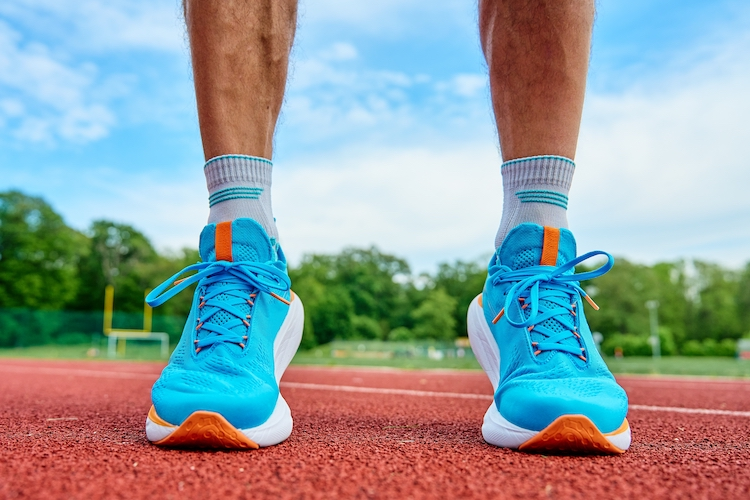
If you’re aiming to maintain your fitness while balancing work and family, you can’t afford to wait for ideal circumstances.
Move swiftly whenever the opportunity arises. In the quiet hours before the household stirs. In the midst of a lunch break. Post-dinner when fatigue has set in. During weekends, when there’s a rare moment of freedom from obligations.
When shopping for running shoes, it’s essential to consider more than just aesthetics. It’s essential to find a pair that supports your commitment to consistency.
Consistency is crucial for men with packed schedules.
Choosing the appropriate footwear minimizes friction, alleviates discomfort, and enhances the overall running experience, making it more enjoyable to maintain a routine.
Inappropriate footwear yields contrary results. They induce unease, lead to minor pains that result in missed sessions, and give the impression that you’re perpetually beginning anew.
This guide is crafted for practical application. Not a life of an athlete. This will assist you in selecting running shoes that align with your routine, physique, and objectives, allowing you to train seamlessly.
Start with the reality check: what kind of runner are you right now?
Prior to considering brands or models, it’s essential to determine your running style. This is the quickest method to ensure you don’t purchase an unsuitable shoe.
The “I’m rebuilding” runner
Once, you were dedicated to running, but then life took over. You’re beginning anew. Prioritizing comfort and stability is essential over the pursuit of speed.
The “I’m managing stress” runner
Running serves as your mental refresh. You desire a shoe that provides dependable comfort, especially when your legs are fatigued.
The “I’m training with limited time” runner
Shorter runs with occasional bursts of intensity are the way to go when time is tight. You require footwear that offers a lively feel while maintaining comfort.
The “I’m trying to lose weight” runner
You are establishing a regimen to achieve your health and weight objectives. Proper cushioning and support are essential, particularly when running on pavement surfaces.
Once you identify your category, the ideal shoe choice becomes more evident.
What “best running shoes” actually means for busy men
In a hectic routine, the ideal footwear is seldom the quickest option.
This shoe enables you to run frequently while ensuring comfort.
That typically boils down to four pragmatic areas:
- Fit that feels comfortable from day one
- Cushioning that protects you on hard ground
- Stability that supports tired legs
- A shoe you can wear without thinking about it
Let’s break those down.
Fit first: the most important decision you’ll make
The majority of issues with running shoes stem from improper fit.
Toe room should feel relaxed
Your toes ought to have ample space. A snug toe box will become increasingly noticeable during longer runs as your feet heat up.
A bit of space in front of the longest toe aids in reducing toe pressure, particularly during downhill segments.
Width matters more than people admit
Many men opt for a larger size to ensure additional comfort. That can result in heel slip, which may cause rubbing.
If you frequently experience pressure in the forefoot area, consider opting for a shoe that offers a more spacious fit instead of simply choosing a longer size.
Heel hold should feel secure
Your heel should feel secure, not slipping. Sliding elevates friction levels and may lead to the formation of blisters.
A secure heel enhances stability, particularly during cornering or when navigating uneven pavements.
Comfort should be immediate
Busy individuals prefer efficiency over lengthy adjustment periods.
If a shoe feels uncomfortable in the initial moments, it typically won’t transform into a better fit as you begin running.
Cushioning: protect your body, not just your feet
When navigating suburban streets, footpaths, and park loops, the importance of cushioning cannot be overlooked.
It lessens the cumulative stress that can accumulate over time, particularly if you’re:
- Running after long workdays
- Carrying extra body weight
- Running on hard surfaces most of the time
- Doing back-to-back runs with limited recovery
The objective is to achieve a balance of comfort and stability in cushioning. Excessively cushioned shoes may create a sense of instability. Stiff shoes can be quite uncomfortable when your legs are fatigued.
For many active individuals, a balanced level of cushioning that offers support is ideal.
Stability: the feature that saves tired legs
When managing various aspects of life, your runs may not always start with optimal energy.
At times, you may feel fatigued while running. You’ll struggle after inadequate rest. You’ll sprint after a long day on your feet.
A reliable shoe provides the necessary support during those less-than-ideal times. It ensures your foot lands with precision and minimizes the instability that causes ankles and calves to exert extra effort.
Stability can be achieved without sacrificing comfort and flexibility. It signifies a balanced assistance that maintains a consistent stride.
Durability: because you don’t want to shop again next month
Active individuals frequently seek a single pair that can handle various activities.
The shoe must be durable.
Durability matters because:
- As cushioning deteriorates, discomfort escalates.
- As the outsole grip diminishes, assurance declines.
- When shoes lose their form, your stride may feel less secure.
A long-lasting shoe goes beyond mere cost. Maintaining your routine is essential.
Choosing shoes based on your most common run
Avoid purchasing for the idealized experience. Purchase for your genuine run.
If most of your runs are short (20–30 minutes)
Focus on ensuring comfort and an immediate sense of a great fit. A race shoe isn’t necessary. You require footwear that inspires you to return for more the next day.
If you run 3–4 times a week
Seek a reliable daily trainer that offers a harmonious blend of cushioning and stability. This is the category that gets the job done.
If you run mostly on pavements
The significance of cushioning increases. Firm surfaces can be unforgiving for lightweight, minimalist footwear.
If you mix running with walking
Select a shoe that provides comfort for both occasions. Numerous occupied individuals adopt a mixed approach: incorporating walk breaks, jogging intervals, and extended walks during recovery days. The shoe is designed to manage that with ease.
A simple “at-home test” after buying running shoes
This saves many people from regret.
- Try them on indoors for a short while with your running socks.
- Take a stroll and incorporate some light jogging steps.
- Be mindful of any friction at the heel or constriction at the forefoot.
If something seems amiss, don’t fool yourself into thinking it will just go away. Initial hotspots often escalate into more significant problems as training progresses.
A smart option for busy men who want to keep running
For a clear and efficient way to explore men’s running shoes focused on comfort-driven training, begin your search here: best running shoes for men.
FAQs
How often should I replace running shoes?
The frequency of your runs and the comfort of the shoes are key factors to consider. If the cushioning seems flat, you may notice increased fatigue in your feet during your runs, or a decrease in grip; it could be time for a replacement.
Should I buy one pair or two pairs?
A single pair can be effective. Having two pairs is often advantageous for frequent runners, as rotating them can help maintain freshness and minimize wear and tear.
Do I need different shoes for treadmill vs outdoor running?
Not necessarily. Numerous daily trainers are effective for both purposes. Essential elements include fit, comfort, and stability in your daily activities.
Is a lighter shoe always better?
Not suitable for the majority of occupied individuals. While lighter shoes may give a sense of speed, comfort and stability are typically more important for reliable training.
What if I have wide feet?
If you experience pressure in the forefoot or your toes feel confined, the width is crucial. Selecting a more spacious fit enhances comfort and minimizes friction.
How do I avoid blisters?
Begin with an accurate fit and ensure a firm heel grip. Opt for sleek running socks that feature minimal seams. If you notice any hotspots early on, tackle them promptly instead of trying to push through.
Choose the shoe that helps you stay consistent
When balancing work, family, and fitness, your running routine should be straightforward.
Your shoes ought to embody that simplicity.
Select a pair that ensures a proper fit, offers immediate comfort, maintains stability during long days, and provides protection on tough surfaces. That’s the approach to maintaining consistency, and it’s this very consistency that fosters true fitness in everyday life.
For a dependable foundation, the ideal running shoes for men are those that you’ll consistently choose to wear week after week.