
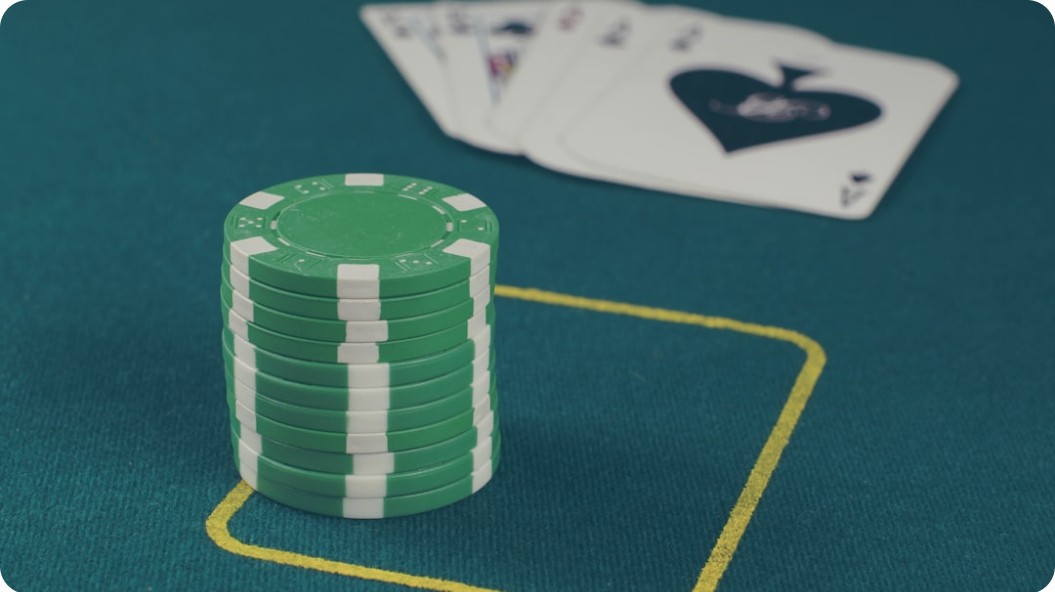
A lot of people get used to the idea of gambling through Hindi entertainment long before they ever try it themselves. It appears in films, the shows they binge, and the clips and reels that fill their feeds. It might be a group of friends playing cards, a character making a betting joke, or a hero passing through a casino for one quick scene. None of it feels like a lesson. It just sits there as part of everyday life on screen, and over time it makes gambling feel more familiar and normalized.
Digital Series and Influencers
Short-form digital content plays a big role in how casino-style games show up in everyday online culture. Influencers often introduce these games in subtle ways. A streamer might open a rummy or poker app during a casual chat, mention a hand in passing, then go straight back to film talk or memes. Sometimes this even includes shoutouts to online casinos that cater to their viewers outside India, whether that is platforms aimed at Japanese players, American audiences, or even users in Kuwait. Kuwait does not have a regulated online casino market, and gambling is tightly restricted; however, according to Cardplayer, many top online casinos that hold reputable licences from global gambling bodies are marketed to Kuwaiti casino fans, highlighting thousands of games, fast payouts, and generous bonuses. Digital influencers who mention these brands are usually aware of local rules and fold these shoutouts into the natural flow of their streams, so nothing feels forced, and viewers end up treating casino-style play as just another part of normal downtime.
Platforms like YouTube and Instagram amplify this effect with short clips. Editors cut together bright imagery, spinning reels, or quick table animations over popular Bollywood tracks. The clips work more as mood-setting visuals than tutorials, and casino-style play becomes one piece in a wider collage that includes dance challenges, behind-the-scenes film footage, and fan edits from major Hindi releases. These appearances matter because they remove the sense of distance around casino-style entertainment and present it as one of many ways to unwind, joke with friends, or fill a few minutes between other activities.
Big-Screen Portrayals and Casino Aesthetics
Hindi cinema has a long history of using casino aesthetics to signal glamour, risk, and late-night energy. Even when the story front and centre has nothing to do with gambling, directors often use the visual language of bright lights, spinning wheels, and gleaming floors as a backdrop for pivotal scenes. Films like Bluffmaster or Tezz use quick glimpses of gaming floors to suggest a world where everything can tilt without warning. These images give audiences a sense of how casino environments work, vibrant and noisy, with small moments where fortunes shift.
Classic films set in seaside resorts or grand old hotels often slip in casino moments without making a big deal of them. A character cuts through a gaming floor on the way to an argument, a couple drifts past rows of slot machines, or a chase scene runs between tables and chips. The story is still the main focus, but the sound of shuffling cards, rolling chips, and low conversation quietly links casino play with holidays, late nights, and special occasions. So when people later try digital versions of those games, a lot of the layouts, colours, and sounds already feel strangely familiar.
Newer films keep that feeling and turn the volume up. Scenes set in Macau-style towers and sleek modern interiors make casino floors look bright, crowded, and social rather than lonely. Even short clips show how the tables are arranged, how people move, and what kind of atmosphere the games try to create. Online casinos borrow heavily from that look and feel, using animation, sound, and simple controls to echo the same sense of movement and energy on a screen.
Music Videos, Pop Culture, and Casino Imagery
Music videos linked to Hindi films often borrow visual elements from casino floors. Directors layer neon lighting, mirrored surfaces, and rhythmic beats that mimic the energy of spinning reels or rapid-fire table play. These choices leave viewers with a subtle link between dance, nightlife, and the sense of anticipation that casino-style entertainment trades on.
Some tracks include lyrics that hint at uncertainty, sudden shifts, or taking a bold leap. Even when used metaphorically, these themes match the emotional profile of casino play and help normalise the language around winning, losing, or pushing for a breakthrough. The link is indirect, but over millions of plays, it shapes how young adults imagine games of chance as part of a broader lifestyle landscape that includes fashion, nightlife, and pop culture.
Cricket Drama and Fan Behaviour
Cricket sits at the heart of a lot of Hindi entertainment, and it pulls huge audiences for a reason. Match-day scenes often become the emotional peak of a film or series. The build-up, the close calls, the last few overs, all create the same tight, nervous feeling people recognise from real life without the story ever turning into a lesson about betting. A risky chase, a missed catch, or a final-ball finish shows how quickly momentum can swing. That sense of tension and release often stays with people and shapes how they react later to other games built around suspense, chance, or timing.
In films like Jannat, the cricket drama works because it is never just about the match; you are really watching a man pulled deeper into the world around big games, while the real story is his love life, ego, and need to get ahead, and a single wicket, sudden rain break, or last ball finish can flip everything in seconds. Streaming shows push this further with long stories set in Mumbai or Delhi, where people watch the IPL together, check stats, yell at the screen, and ride every twist, so viewers get used to fast, high-stakes moments and casino-style games later feel like a natural extension of that world.
Conclusion
Most people see gambling on screen long before they ever use a casino app. It shows up in Hindi films, web series, songs, reels, and sketches, so it feels fun and social, rather than unfamiliar or scary. Cards on a table, friends joking, someone placing a bet, and everyone cheering. Because it is usually part of a bigger story, not a tutorial, it fades into the background and makes real money gambling feel less like a big jump and more like a natural next step in the same world people already enjoy watching.