
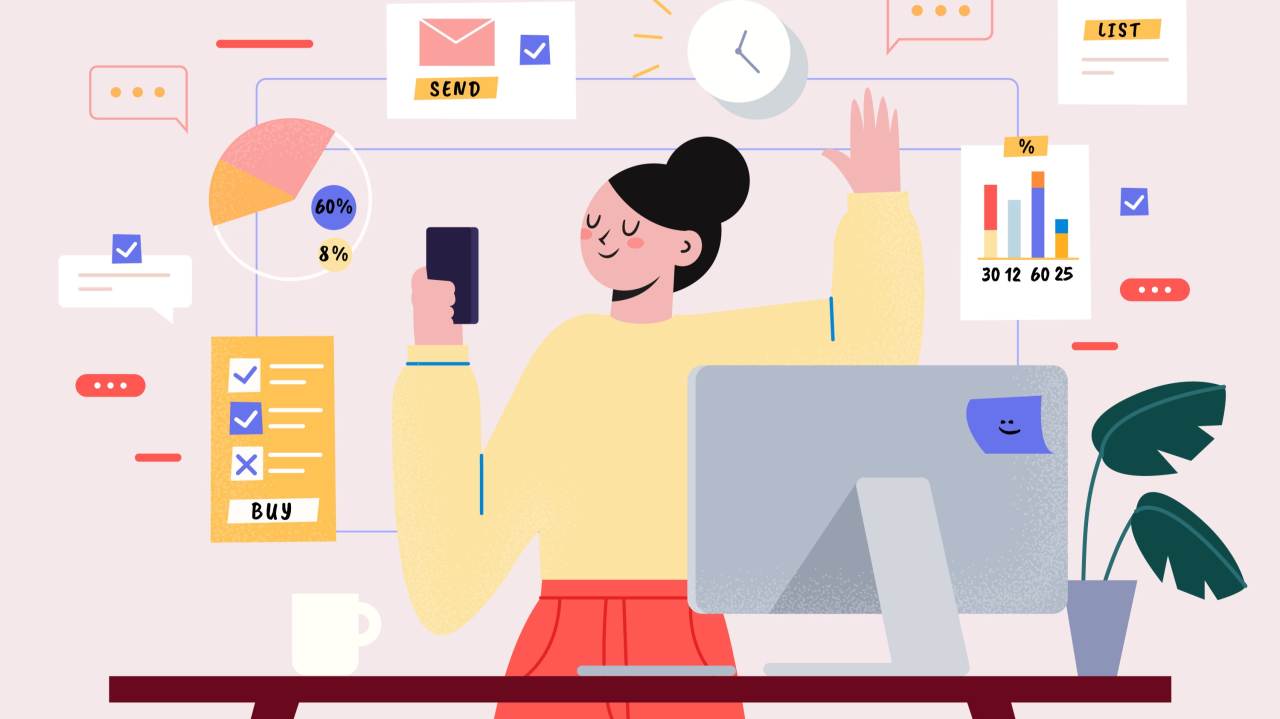
Digital entertainment has become one of the defining features of modern life. Streaming platforms, mobile video applications, social media channels, and on-demand content services allow people to access information and entertainment at virtually any moment. This convenience has transformed how audiences spend their free time, learn new skills, and relax after work.
At the same time, constant access to content has changed the relationship between productivity and leisure. Professionals no longer separate work and entertainment as clearly as previous generations did. Many people move between business tasks, social interactions, educational content, and entertainment throughout the same day.
This shift creates new opportunities and new challenges.
Organizations increasingly recognize that employee performance depends not only on workplace systems but also on personal habits. Sleep quality, attention management, recovery practices, and content consumption patterns all influence long-term productivity.
Understanding these connections is becoming increasingly important for decision-makers, employers, and professionals who want to perform consistently in a highly connected world.
Why Content Consumption Habits Matter
Productivity is often associated with time management techniques, organizational tools, and workflow optimization. While these factors contribute to performance, daily habits often have a greater impact on long-term results.
Recent discussions about high-performing individuals consistently highlight similar behaviors. Productive people tend to protect their sleep schedules, maintain consistent routines, and avoid activities that significantly reduce mental energy. Rather than focusing solely on working harder, they focus on managing energy more effectively.
This perspective is useful when evaluating entertainment habits.
Digital content can support learning, relaxation, and recovery. However, excessive consumption or poorly timed consumption may interfere with focus, sleep quality, and decision-making. The most effective approach is not eliminating entertainment but using it intentionally.
The growing popularity of highly accessible digital experiences demonstrates how audiences increasingly value convenience and immediate engagement. For example, users interested in experiences such as chicken road casino game often prioritize simplicity, quick access, and mobile-friendly interaction. This broader trend helps explain why short-form content, streaming platforms, and on-demand media continue attracting large audiences across different demographics.
Sleep Remains the Foundation of Performance
One of the strongest predictors of productivity is sleep quality.
Research consistently shows that insufficient sleep affects concentration, memory retention, emotional regulation, and problem-solving ability. Even small disruptions can accumulate over time and reduce performance significantly.
Entertainment choices often influence sleep more than people realize.
Streaming services operate around the clock. Video recommendations never end. Mobile devices make content available from virtually any location. Without clear boundaries, leisure activities can easily extend into hours intended for recovery.
Professionals who maintain healthy sleep routines often establish intentional limits around evening media consumption.
These boundaries help preserve energy while maintaining a balanced lifestyle.
Digital Entertainment Is Becoming More Personalized
The entertainment industry has evolved rapidly during the past decade.
Traditional broadcasting relied on fixed schedules and broad audience targeting. Modern platforms use personalization algorithms to recommend content based on individual behavior and preferences.
Several factors contribute to this transformation:
- personalized content recommendations
- mobile accessibility
- on-demand viewing flexibility
- multi-device consumption
- continuous content availability
- data-driven user experiences
These developments improve convenience while giving users greater control over how and when they consume content.
Attention Has Become a Strategic Resource
Modern professionals face unprecedented competition for attention.
Notifications, messages, emails, videos, and social content constantly compete for focus. As a result, attention has become one of the most valuable resources available.
Highly productive individuals often approach attention with the same discipline they apply to financial resources.
They evaluate how activities contribute to personal goals and avoid allowing external systems to dictate priorities. This mindset helps create a healthier relationship with digital content while preserving mental clarity.
What Organizations and Professionals Should Prioritize
Build Sustainable Daily Routines
Many productivity strategies focus on maximizing output.
However, sustainable performance depends more on consistency than intensity. Long-term success usually results from habits that can be maintained over extended periods rather than short bursts of extreme effort.
Digital entertainment can support these routines when used appropriately.
Educational videos, documentaries, cultural programming, and recreational content all provide value when integrated into balanced schedules. The key is ensuring that entertainment complements recovery rather than replacing responsibilities.
Organizations that encourage healthy work-life balance often benefit from improved engagement and reduced burnout.
Focus on Quality Rather Than Volume
The amount of content available today is effectively unlimited.
As a result, the challenge is no longer finding something to watch. The challenge is selecting content that delivers meaningful value.
Professionals can benefit from asking several practical questions before consuming content:
- Does this activity support relaxation or learning?
- Is this the best use of available time?
- Will it affect sleep quality?
- Does it align with personal priorities?
- Will it provide lasting value?
These questions encourage more intentional decision-making.
Digital Wellness Supports Business Performance
Employee well-being is increasingly recognized as a business priority.
Organizations that ignore burnout, fatigue, and attention overload often experience reduced productivity and higher turnover rates. Conversely, companies that support healthier digital habits frequently achieve stronger long-term results.
Digital wellness initiatives may include flexible schedules, education about recovery practices, and policies that encourage healthy boundaries between work and personal life.
These strategies create benefits for both employees and employers.
Technology Should Serve Human Objectives
Technology provides extraordinary opportunities for communication, learning, and entertainment.
However, successful professionals generally view technology as a tool rather than a destination. They use digital systems to support objectives instead of allowing algorithms and notifications to determine behavior.
This distinction becomes increasingly important as content platforms continue improving their ability to capture attention.
Organizations that encourage intentional technology use often help employees maintain stronger focus and better decision-making capabilities.
Recovery Creates Competitive Advantage
Many discussions about productivity focus heavily on action.
Recovery receives far less attention despite its significant influence on performance. Sleep, leisure, recreation, and personal interests all contribute to resilience and long-term effectiveness.
Entertainment plays an important role in this process.
Watching a favorite series, learning through educational content, or spending time with family can support recovery and reduce stress. These activities become valuable when they help restore energy and improve overall well-being.
The goal is balance rather than restriction.
The Future of Productivity Depends on Better Habits
The relationship between entertainment and productivity will continue evolving as digital platforms become more sophisticated. Access to content will increase, personalization will improve, and entertainment options will become even more diverse.
In this environment, success will depend less on limiting access and more on developing intentional habits.
Professionals who understand how content influences attention, sleep, and energy levels will be better equipped to maintain consistent performance. Organizations that support healthy digital behaviors will benefit from stronger engagement, better decision-making, and improved resilience.
Digital entertainment is not the enemy of productivity. In many cases, it supports learning, relaxation, and recovery. The challenge is ensuring that entertainment remains aligned with broader personal and professional goals.
As content ecosystems continue expanding, the individuals and organizations that thrive will be those that learn to manage attention as carefully as they manage time. Consistent habits, thoughtful consumption, and balanced routines will remain some of the most valuable advantages in a highly connected world.