
Most business owners focus on visible factors when trying to improve employee performance. They invest in better technology, training programs, incentive structures, and management systems. While all of these elements are important, there is one powerful influence that quietly shapes productivity every single day without being openly recognized: workplace cleanliness.
Employees rarely think about cleanliness as a performance factor. Yet their behavior, focus, energy levels, and even decision-making are constantly influenced by the environment they work in. A clean, organized workspace creates a sense of control and clarity, while a neglected environment slowly introduces distraction, discomfort, and mental fatigue.
This is why many facility managers and business owners regularly check the website resources of professional cleaning providers to understand how environmental conditions affect workplace efficiency. They begin to realize that productivity is not only driven by skills or systems but also by subtle environmental cues that shape how people think and behave throughout the workday.
Workplace cleanliness operates quietly in the background. It does not demand attention, yet it consistently influences how employees perform, interact, and respond to daily challenges.
The Hidden Connection Between Environment and Mental Focus
Human attention is highly sensitive to visual and environmental stimuli. Even when employees are not consciously aware of it, cluttered desks, dusty surfaces, and disorganized spaces increase cognitive load. This means the brain has to process unnecessary visual information, leaving less mental energy for important tasks.
In contrast, clean and organized environments reduce mental friction. Employees can think more clearly, prioritize tasks more effectively, and maintain longer periods of focus without feeling overwhelmed.
This connection explains why two employees with the same skills and responsibilities may perform differently in different workplace environments. The physical setting quietly shapes their ability to concentrate and execute tasks efficiently.
Why Clean Spaces Reduce Workplace Stress
Stress in the workplace is often linked to deadlines, workload, and interpersonal dynamics. However, environmental conditions also play a significant role.
A cluttered or poorly maintained workspace can create a subconscious sense of disorder. Employees may feel like things are out of control, even when their actual workload is manageable. This feeling of disorder gradually increases stress levels and reduces overall job satisfaction.
Clean environments, on the other hand, create psychological comfort. When the surroundings are organized and well-maintained, employees tend to feel more stable and in control of their work environment. This sense of stability supports emotional balance and reduces unnecessary stress throughout the day.
The Role of Cleanliness in Shaping Workplace Behavior
Workplace environments influence behavior in subtle but consistent ways. Employees working in clean environments are often more likely to maintain organization in their own tasks, communicate more effectively, and demonstrate greater attention to detail.
Clean spaces set an unspoken standard. When employees see that their surroundings are well-maintained, they are more likely to mirror that behavior in their own work habits. This creates a culture of discipline without requiring formal enforcement.
In contrast, neglected environments can gradually normalize disorganization. Over time, this may impact work quality, communication efficiency, and overall team performance.
Productivity and the Power of Invisible Distractions
Not all distractions are loud or obvious. Some of the most powerful distractions are visual and environmental.
A flickering light, cluttered meeting room, stained carpet, or dusty workstation may not directly interrupt work, but they continuously pull attention away from tasks at a subconscious level. These small interruptions accumulate throughout the day, reducing overall productivity without employees realizing it.
Clean workplaces eliminate many of these invisible distractions. By creating visually calm environments, businesses allow employees to maintain focus for longer periods and complete tasks more efficiently.
Health, Absenteeism, and Workplace Efficiency
Workplace cleanliness is also closely linked to employee health. Shared surfaces such as desks, door handles, kitchens, and meeting rooms can easily become sources of germs and bacteria if not properly maintained.
When hygiene standards are low, employees are more likely to experience illness, leading to increased absenteeism. Even small increases in sick leave can significantly affect overall productivity, especially in small or medium-sized teams.
Regular professional cleaning helps reduce these risks by maintaining hygiene standards and minimizing the spread of illness within the workplace. Healthier employees naturally contribute to more consistent performance and smoother business operations.
Why Employees Notice Cleanliness More Than Employers Think
Although cleanliness is often considered a background factor, employees are highly aware of their working environment. They may not always express it directly, but they notice when spaces are well-maintained and when they are not.
A clean workplace sends a message that management cares about employee well-being and professional standards. This can improve morale, increase engagement, and strengthen overall job satisfaction.
On the other hand, neglected environments may create the impression that employee comfort is not a priority, which can slowly impact motivation and workplace culture.
The Role of Professional Cleaning Services
Maintaining consistent cleanliness in a busy workplace requires more than occasional effort. It requires structure, expertise, and regular maintenance routines.
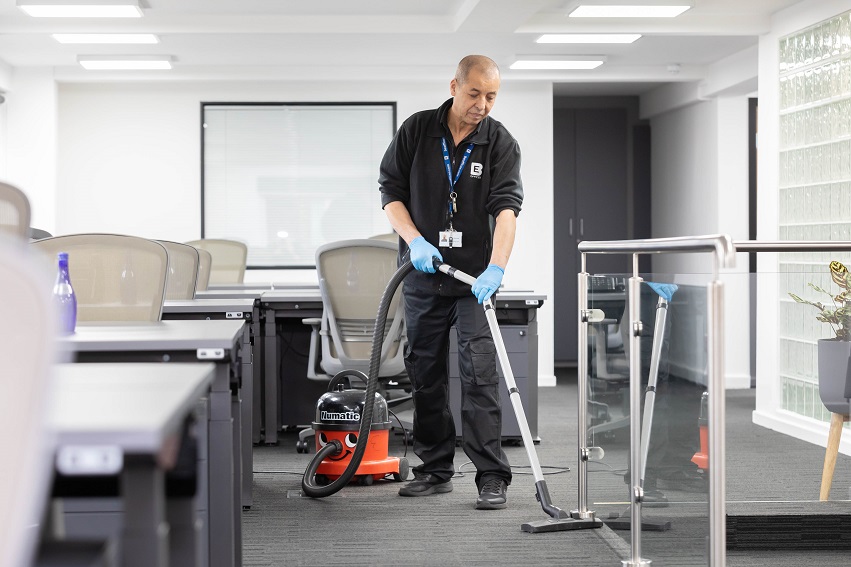
Professional cleaning services provide a systematic approach to workplace hygiene. They ensure that every area, from high-traffic zones to hidden corners, is properly maintained and sanitized. This consistency helps businesses maintain a stable and productive environment over time.
Many organizations rely on experienced providers such as those found in Perth WA to ensure their workplaces remain clean, safe, and efficient without disrupting daily operations.
Cleanliness as a Long-Term Business Strategy
Workplace cleanliness should not be viewed as a short-term maintenance task. It is a long-term investment in productivity, employee satisfaction, and organizational performance.
A clean environment supports better focus, reduces stress, improves health outcomes, and strengthens workplace culture. These factors collectively contribute to improved business performance over time.
Companies that recognize this connection often experience more stable teams, higher efficiency, and stronger overall workplace morale.
Final Thoughts
Workplace cleanliness operates quietly in the background, yet its influence on employee performance is constant and significant. It shapes focus, behavior, health, and overall job satisfaction without ever becoming the center of attention.
Businesses that invest in maintaining clean and organized environments are not just improving appearance. They are enhancing the conditions under which employees think, work, and perform every day.
In many cases, productivity improvements do not come from major structural changes or expensive systems. Instead, they come from small environmental adjustments that reduce friction and support mental clarity.
When cleanliness becomes a consistent priority, it creates a workplace where employees can perform at their best without even realizing why. That is the true power of an environment that supports success silently, every single day.