
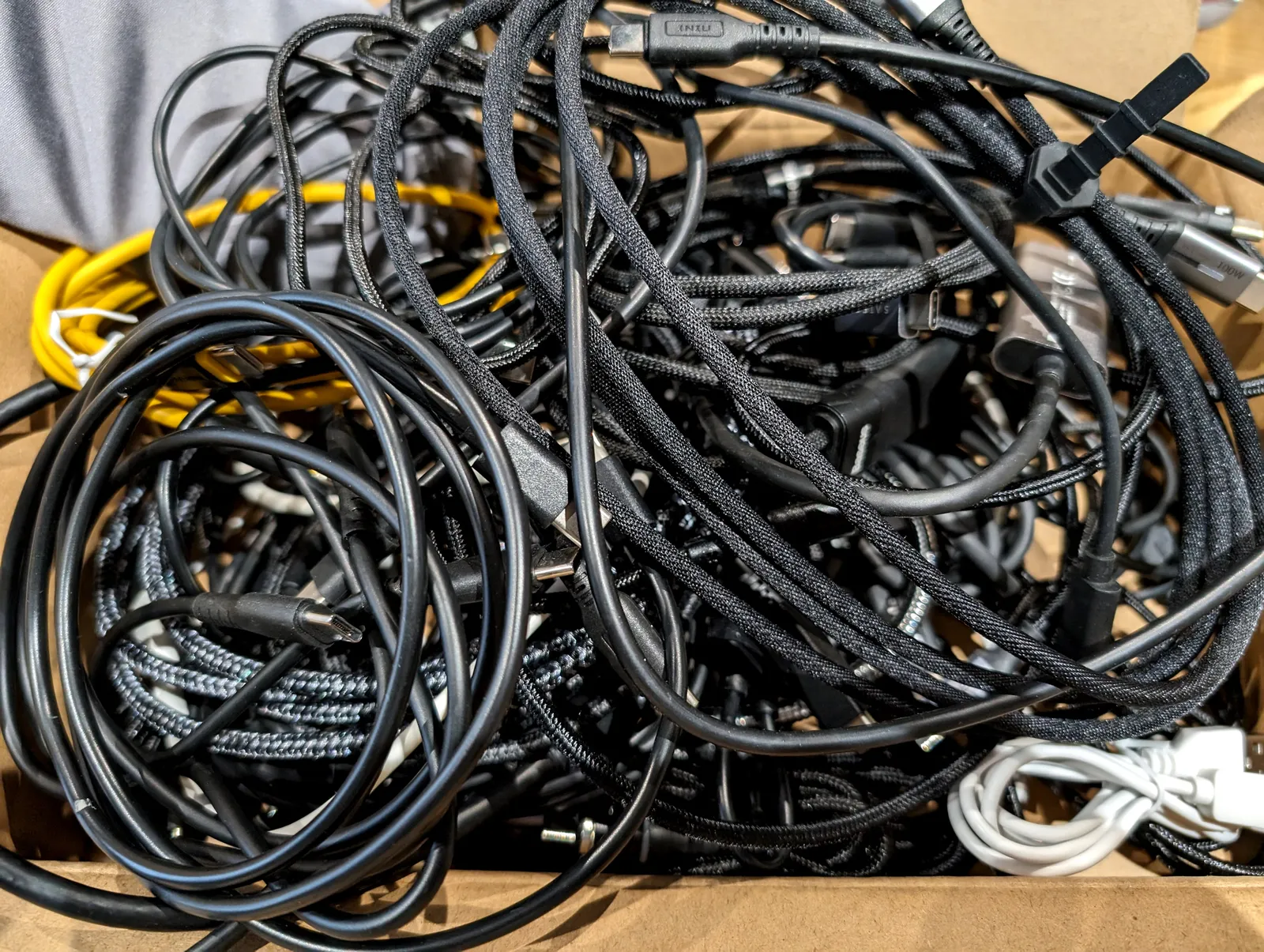
Large cable management projects rarely lose time because of one dramatic mistake. More often, delays come from small decisions made early, then repeated across hundreds or thousands of metres of cable. A poorly positioned drum, unclear labelling system, tangled pull path or missing handover note can look minor on day one, yet cost entire crews hours once installation, testing or maintenance begins.
That’s why experienced project teams treat cable handling as a productivity issue, not just a housekeeping task. Even choices as simple as drum placement, route planning and the benefits of spoolers can have a direct effect on downtime, labour efficiency and site safety.
Start With the Pull Path, Not the Cable
One of the most common inefficiencies on large projects is preparing cable before the route is properly understood. Crews may have the right cable, the right tools and enough labour, yet still lose time because the pull path has avoidable friction points.
Before cable is moved into position, teams should confirm bends, obstructions, elevation changes, access points and staging zones. This helps reduce unnecessary repositioning and prevents cable from being dragged across awkward surfaces or congested work areas.
A clear pull path also makes resourcing easier. Supervisors can place people where they’re useful, rather than relying on reactive problem-solving once the pull has already started.
Position Drums for Fewer Touchpoints
Cable drums are heavy, awkward and time-consuming to move. On large sites, every unnecessary repositioning can slow multiple trades, create congestion or introduce safety risks. Good drum placement should account for the direction of pull, available space, floor loading, vehicle access and future works nearby.
The aim is simple: reduce touchpoints. The fewer times a drum needs to be lifted, rotated, shifted or re-secured, the more predictable the installation becomes.
This is where planning at the site logistics stage matters. Cable storage should never be treated as an afterthought squeezed into whatever space is left. It should be mapped against the installation sequence, so materials are placed near where they’ll be used, without blocking other work fronts.
Use Labelling That Works Under Pressure
Labelling often looks fine in a spreadsheet, then fails on site. Labels that are too small, inconsistently formatted or placed only at one end of a run can cause confusion during installation, commissioning and maintenance.
A practical labelling system should be legible, durable and consistent across the entire project. It should identify origin, destination, cable type and circuit or asset reference where relevant. Labels should also be placed at logical intervals, especially where cables pass through risers, trays, cabinets, pits or shared service corridors.
The real value appears later. When testing teams, maintenance contractors or fault-finding crews can quickly identify a cable without tracing it from scratch, the time saved can be substantial.
Separate Cable Types Early
Mixing cables during staging might save a few minutes upfront, but it often creates more work downstream. Power, data, control, fibre and specialist cables may have different handling requirements, bend radius limits, separation rules and termination workflows.
Separating cable types early helps prevent incorrect pulls, reduces handling damage and makes installation crews faster. It also supports cleaner documentation, because each cable group can be checked against drawings and schedules before work begins.
On large projects, this kind of discipline compounds. A small amount of sorting at the beginning can prevent repeated interruptions across multiple work zones.
Protect Bend Radius and Tension Limits
Cable damage isn’t always obvious at installation. Excessive pulling force, sharp bends or poor drum handling can create faults that only appear during testing, commissioning or operation. By then, the cost of rectification is much higher.
Teams should make bend radius and tension limits part of the installation method, not just technical data buried in product documentation. Rollers, guides, spoolers and cable stands should be selected to suit the cable type and project conditions. Crews should also understand when a pull needs to stop rather than forcing cable through a difficult section.
Protecting cable integrity saves more than material cost. It reduces rework, delays, testing failures and disputes over responsibility.
Standardise Communication Between Crews
Large cable projects usually involve multiple teams working across different zones, shifts or stages. Without standard communication, small assumptions multiply quickly.
A simple daily handover can prevent major delays. Crews should record completed pulls, partial works, blocked routes, damaged trays, missing materials, test status and any deviations from drawings. This information should be easy to access, not buried in informal messages.
The best systems are practical. A short, consistent update that everyone uses is more valuable than a complex reporting process that gets ignored when the site gets busy.
Keep Cable Off the Floor Where Possible
Cable left on floors or walkways increases the risk of damage, contamination, trip hazards and unplanned movement. It also slows other trades, especially in tight corridors, plant rooms or ceiling spaces.
Using temporary supports, staged trays or controlled laydown areas can keep cable organised while reducing site disruption. This is particularly important when several cable runs are being installed in parallel, or when sensitive cable types need extra protection.
Clean cable routing is not just about appearance. It improves access, reduces handling time and lowers the chance of preventable defects.
Build Maintenance Into the Installation
Cable management decisions should consider the full life of the asset, not just the installation programme. A cable run that’s fast to install but impossible to inspect, isolate or replace later creates future cost.
Accessible routing, spare capacity, clear labelling and logical grouping all support maintenance. So does leaving enough space in trays, conduits and cabinets for future upgrades. On large projects, this forward planning can prevent expensive shutdowns years later.
Small Choices, Large Project Gains
Cable management is a discipline built on small decisions. Drum placement, labelling, separation, handling equipment, communication and access planning may seem minor in isolation. Across a large project, they can be the difference between a smooth installation and weeks of accumulated delay.
The most efficient teams don’t wait for cable problems to appear. They design them out early, using clear processes, suitable equipment and practical site planning. That’s where the real time savings come from.