
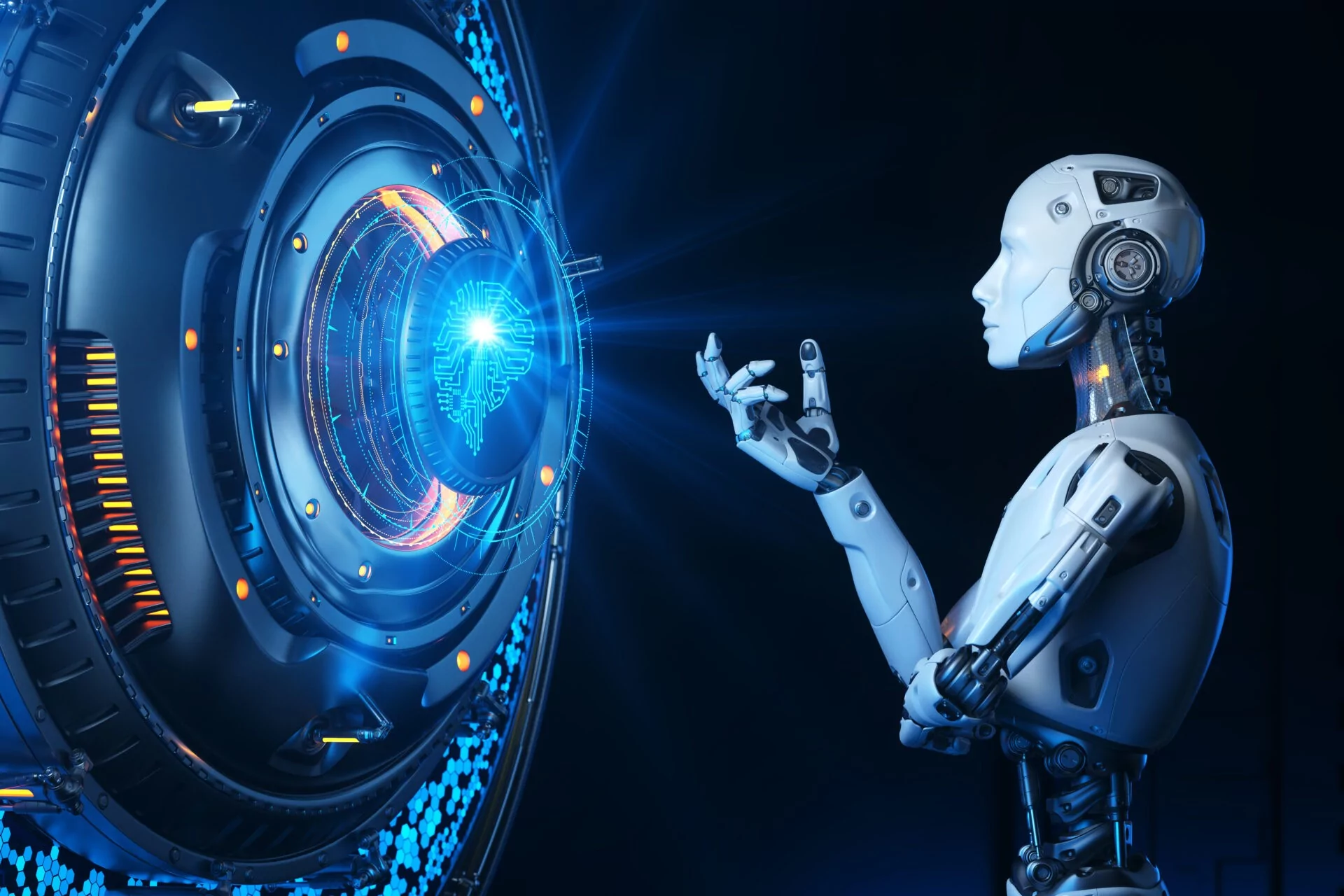
Machine learning and intelligent systems are rapidly transforming the way people live, work, and interact with technology. What once existed mainly in research laboratories has now become a major force driving global innovation across industries. According to Droven.io Machine Learning Trends, businesses and organizations worldwide are accelerating investments in AI-powered technologies to improve automation, analytics, cybersecurity, healthcare, and customer experiences. As computing power increases and data becomes more accessible, machine learning is evolving into the foundation of the next digital revolution.
In 2026, intelligent systems are no longer limited to simple automation or recommendation engines. Modern AI technologies are capable of learning from experience, adapting to changing environments, and making increasingly sophisticated decisions in real time. The future of machine learning promises even more advanced capabilities that could redefine industries, economies, and everyday life on a global scale.
Understanding Machine Learning and Intelligent Systems
Machine learning is a branch of artificial intelligence that allows systems to analyze data, identify patterns, and improve performance without requiring constant manual programming.
Intelligent systems use machine learning algorithms combined with technologies such as natural language processing, computer vision, robotics, and predictive analytics to perform complex tasks automatically.
Unlike traditional software applications that rely on fixed instructions, intelligent systems can adapt dynamically based on new information and user behavior.
This adaptability makes machine learning essential for future AI development. As digital environments become more data-driven and interconnected, intelligent systems are becoming increasingly capable of handling tasks that once required human intelligence.
From virtual assistants and autonomous vehicles to advanced healthcare diagnostics and cybersecurity systems, machine learning is powering the next generation of smart technologies.
AI-Powered Automation Expanding Globally
One of the biggest trends shaping the future of machine learning is the expansion of intelligent automation.
Businesses are increasingly using AI-powered systems to automate repetitive processes, optimize workflows, and improve operational efficiency.
Machine learning allows automation systems to go beyond simple rule-based tasks by enabling predictive analysis, adaptive decision-making, and real-time optimization.
Manufacturing companies use intelligent robotics for assembly lines and predictive maintenance. Financial institutions automate fraud detection and investment analysis. Retail businesses optimize inventory management and personalized marketing through AI systems.
Customer service automation has also become more advanced through machine learning-powered chatbots and virtual assistants capable of understanding natural language and delivering personalized support.
As AI technologies continue evolving, automation will become more intelligent, scalable, and integrated into daily business operations worldwide.
Personalized Digital Experiences Becoming Smarter
Machine learning is transforming digital experiences by making them increasingly personalized and adaptive.
Streaming platforms, e-commerce websites, social media networks, and mobile applications rely heavily on AI algorithms to understand user behavior and deliver customized experiences.
Intelligent systems analyze browsing history, purchase patterns, engagement data, and preferences to recommend content, products, and services tailored to individual users.
Future machine learning systems are expected to become even more predictive. Instead of reacting only to past behavior, AI technologies may anticipate user needs before they are explicitly expressed.
Hyper-personalization will likely become a major competitive advantage for businesses across industries. Consumers increasingly expect digital services to understand their preferences instantly and provide seamless experiences across multiple platforms.
Machine learning will continue driving this evolution toward smarter and more intuitive digital interactions.
Healthcare and Predictive Medicine
Healthcare is expected to experience some of the most important machine learning breakthroughs in the coming years.
AI-powered diagnostic systems already analyze medical images such as MRIs, X-rays, and CT scans with impressive accuracy. Future intelligent healthcare systems may provide even earlier disease detection and highly personalized treatment recommendations.
Predictive medicine powered by machine learning could transform preventive healthcare. AI systems analyze patient data, genetic information, wearable device metrics, and medical history to identify potential health risks before symptoms become severe.
Wearable devices and smart health monitoring systems are becoming more sophisticated, enabling continuous real-time patient monitoring.
Machine learning is also accelerating pharmaceutical research by helping scientists identify promising drug compounds faster than traditional research methods.
Future healthcare systems may rely heavily on intelligent AI assistants that support doctors, improve patient care, and reduce healthcare costs globally.
Autonomous Systems and Robotics
The future of machine learning is deeply connected to the growth of autonomous systems and robotics.
Self-driving vehicles continue improving through advanced machine learning models capable of processing sensor data, recognizing objects, and making driving decisions in real time.
Autonomous drones powered by AI are increasingly being used for logistics, surveillance, agriculture, and infrastructure inspection.
Industrial robotics are becoming more intelligent and flexible, allowing factories to automate complex manufacturing tasks with greater precision and efficiency.
Healthcare robotics may eventually assist with surgeries, rehabilitation, and elderly care.
Future intelligent systems could operate with higher levels of autonomy while collaborating safely with humans across multiple industries.
As robotics and machine learning continue advancing together, intelligent machines will become more capable, adaptive, and integrated into everyday life.
Edge AI and Real-Time Intelligence
Edge AI is emerging as one of the most important developments shaping the future of machine learning.
Traditionally, AI systems relied heavily on cloud computing for data processing. Edge AI allows machine learning models to run directly on local devices such as smartphones, cameras, industrial sensors, vehicles, and wearable devices.
This approach reduces latency, improves privacy, and enables faster real-time decision-making.
Smart cities, autonomous vehicles, industrial automation systems, and connected devices increasingly rely on edge AI technologies for immediate responses and intelligent processing.
As the Internet of Things continues expanding globally, edge AI will become critical for supporting scalable and efficient intelligent systems.
Future machine learning applications will likely involve billions of connected devices operating with decentralized AI capabilities.
Cybersecurity Powered by Intelligent Systems
Cybersecurity threats are becoming more sophisticated, making machine learning essential for future digital protection.
AI-powered cybersecurity systems continuously analyze network activity, user behavior, and system performance to detect anomalies and identify threats in real time.
Machine learning algorithms can recognize phishing attempts, malware behavior, ransomware attacks, and suspicious login activities far faster than traditional security systems.
Automated threat response systems powered by AI can isolate compromised devices, block malicious activity, and minimize damage immediately.
Future cybersecurity solutions will likely become increasingly autonomous and adaptive as cybercriminals continue developing more advanced attack methods.
Machine learning will remain a critical technology for protecting global digital infrastructure and sensitive information.
Natural Language Processing and Human-AI Communication
Natural language processing has become one of the fastest-growing areas of machine learning innovation.
Modern AI systems can now understand context, interpret human language, and generate conversational responses with remarkable accuracy.
Virtual assistants, AI chatbots, and advanced language models are becoming more human-like and capable of supporting complex interactions.
Businesses are increasingly using conversational AI for customer service, content generation, translation services, and workplace productivity tools.
Future AI systems may achieve even more advanced communication capabilities, including emotional understanding, contextual awareness, and multilingual fluency.
Machine learning will continue improving how humans interact with intelligent technologies across digital environments.
Smart Cities and Intelligent Infrastructure
Cities worldwide are adopting machine learning technologies to improve infrastructure, sustainability, and public services.
AI-powered traffic management systems analyze road conditions and adjust traffic signals dynamically to reduce congestion.
Smart energy grids use machine learning to optimize electricity distribution and improve energy efficiency.
Public safety systems powered by AI can analyze environmental data, detect unusual activities, and improve emergency response coordination.
Waste management systems are also becoming more intelligent through predictive analytics and automated route optimization.
Future smart cities may rely heavily on interconnected intelligent systems capable of managing urban environments more efficiently and sustainably.
Machine learning will play a central role in building safer, cleaner, and smarter cities.
Quantum Computing and Next-Generation AI
Quantum computing has the potential to dramatically accelerate the future of machine learning.
Traditional computing systems face limitations when processing highly complex datasets and advanced AI models. Quantum computing could solve certain problems exponentially faster by using quantum mechanics principles.
Researchers are exploring quantum machine learning applications in areas such as healthcare research, logistics optimization, climate modeling, and financial analysis.
Although quantum AI remains in early development stages, it could eventually revolutionize how intelligent systems process information and solve complex global challenges.
The combination of quantum computing and machine learning may define the next era of artificial intelligence innovation.
Ethical Challenges and Responsible AI Development
As machine learning systems become more powerful, ethical concerns are becoming increasingly important.
Bias in AI models remains a major issue because machine learning systems can inherit biases present in training data.
Privacy concerns are also growing as organizations collect enormous amounts of user information to train intelligent systems.
Transparency and explainability are critical challenges because some advanced AI models operate as “black boxes,” making their decision-making processes difficult to understand.
Governments and technology organizations are introducing regulations and ethical AI frameworks to ensure responsible development practices.
Future intelligent systems must balance innovation with fairness, transparency, accountability, and user privacy.
The Future Workforce and Human-AI Collaboration
Machine learning will significantly reshape the future workforce.
Automation powered by AI will likely replace some repetitive tasks while creating new opportunities requiring creativity, problem-solving, and technical expertise.
Future workplaces may involve closer collaboration between humans and intelligent systems, where AI assists with analytics, decision-making, and operational efficiency.
Businesses will increasingly invest in employee reskilling and AI literacy programs to prepare workers for evolving job roles.
Human creativity, emotional intelligence, and strategic thinking will remain essential even as automation expands.
The future of machine learning is expected to enhance human capabilities rather than simply replace human workers entirely.
Conclusion
The future of machine learning and intelligent systems is shaping a world driven by automation, personalization, predictive analytics, and advanced AI technologies. From healthcare and cybersecurity to autonomous systems and smart cities, machine learning is transforming industries and redefining how technology interacts with society.
As intelligent systems continue evolving, businesses and organizations that embrace AI-driven innovation will gain significant advantages in efficiency, productivity, and competitiveness. At the same time, ethical AI development, transparency, and responsible technology practices will remain critical for building trust and ensuring long-term success.
Machine learning is no longer just a technological trend—it has become the foundation of the future digital economy. The coming years will likely bring even more groundbreaking innovations that further integrate intelligent systems into every aspect of modern life.