Hard water could be blocking your expensive hair care products from doing their job, no matter how much you spend. About 85% of homes in the U.S. have hard water, meaning high levels of calcium and magnesium. These minerals create a film on your hair that keeps moisture out and makes your products struggle to do anything useful.
When minerals pile up on your hair, even the best conditioners can’t get through to hydrate. Shampoo barely lathers, and instead of cleaning, it leaves a weird residue. This is probably why your hair feels heavy, looks flat, and breaks more than it should, even with your careful routine.
The Hidden Role of Hard Water in Hair Health
Hard water is loaded with dissolved minerals that stick to your hair every time you wash. This buildup blocks moisture and makes even the priciest products seem useless.
What Is Hard Water and How Does It Form?
Hard water happens when rainwater soaks through soil and rock, picking up calcium and magnesium. It’s common in areas with limestone, chalk, or gypsum underground.
The mineral content in your tap water depends on your location. Water hardness is measured in parts per million (PPM) or grains per gallon.
Anything above 60 PPM is moderately hard. Water over 180 PPM? That’s where hair and skin issues really start showing up.
Most city water reports list hardness levels, but you might not realize your water is hard until your hair starts acting up. The same water that leaves white spots on your dishes is coating your hair with minerals every day.
Common Signs Your Water Is Hard
Your hair might feel dry and rough even after conditioning. That straw-like texture? It’s mineral deposits locking out moisture.
Other signs include:
- Dull, flat color that just won’t shine
- Excessive tangling and stubborn knots
- Frizz that laughs at your anti-frizz products
- Scalp flaking or itchiness that seems like dandruff
- Products that stopped working after moving somewhere new
Color-treated hair fades faster in hard water because minerals react with dye.
Understanding Hard Water Minerals and Buildup
Calcium and magnesium coat each strand, and the layer thickens with every wash. This film blocks conditioners and treatments from soaking in.
A 2018 study showed hair washed in hard water lost strength, with breaking force dropping from 255g to 234g. Minerals also rough up the hair surface, causing friction, breakage, and split ends.
Hard water minerals react with shampoo to make soap scum. That same film on your shower doors? It clings to your hair, too. The buildup makes products lather poorly and leaves residue that weighs hair down.
How Hard Water Damages Hair and Undermines Your Products
Hard water lays down a mineral barrier that blocks moisture and stops your products from working. Over time, this buildup causes damage that even expensive treatments can’t undo unless you tackle the real issue.
The Science Behind Hard Water Hair Damage
Hard water is full of calcium, magnesium, and iron that don’t just rinse away. These minerals latch onto your hair fibers and build up with each wash.
This buildup changes your hair’s structure. The minerals make your hair shaft rough and porous. Cuticles can’t close properly, so moisture escapes and hair gets dry and brittle.
Mineral deposits also weigh down hair at the roots, making it look flat. Over time, buildup blocks natural oils from moving down the hair shaft, so ends get drier while roots can feel greasy.
Why Expensive Haircare Falls Short Against Hard Water
Your pricey shampoos and conditioners aren’t failing you. It’s the hard water buildup creating a shield that blocks products from reaching your actual hair.
It’s kind of like trying to moisturize your skin through a layer of plastic wrap. Minerals keep conditioning ingredients out. Hair masks and leave-ins just sit on top of the mineral layer instead of soaking in.
This is why your hair might feel coated or waxy right after washing. Your products are working—just not on your hair. You end up using more, washing more, and getting nowhere.
Hard Water’s Impact on Scalp Health
Hard water doesn’t just mess with your hair. Mineral buildup on your scalp can cause real problems for hair growth and scalp health.
Deposits clog follicles and make your scalp feel itchy or irritated. If you have psoriasis or eczema, hard water can make flare-ups worse. The minerals also mess with your scalp’s pH, leading to inflammation.
Your scalp might get oilier to make up for dryness, so roots look greasy while the rest of your hair feels dry. This cycle can weaken follicles, causing more shedding and breakage.
Identifying Hard Water Hair vs. Other Hair Issues
Hard water hair damage has some dead giveaways. Your hair feels dry even with regular conditioning, or it looks dull no matter what you use.
Blonde hair usually shows damage first—think green, brassy, or metallic tones that won’t budge with toners. Ends might get a filmy, almost “Barbie doll” texture instead of shine.
Want to check for hard water? Look for a pink ring in your shower grout or toilet bowl. Or check your shower head for white, crusty buildup. If you see it there, it’s on your hair, too.
Smart Solutions for Hard Water Hair Woes
Simple at-home tests confirm the problem, and targeted products and tools help remove buildup and prevent more.
Testing for Hard Water at Home
No need for pricey lab tests. A hard water test strip tells you in seconds—just dip it in tap water and match the color to the chart. These strips measure minerals in parts per million.
Water above 60 ppm is considered hard. Over 180 ppm? That’s very hard, and your hair will definitely notice.
Or try the old soap test. Fill a clear bottle halfway with tap water, add a few drops of dish soap, and shake. Soft water makes lots of bubbles. Hard water barely foams and looks cloudy—that cloudiness is soap reacting with minerals.
Using Clarifying Shampoos and Treatments Responsibly
Clarifying shampoo removes mineral deposits that regular shampoo leaves behind. Look for chelating ingredients like EDTA—they grab calcium and magnesium and rinse them away.
Use clarifying shampoo once a week for moderately hard water. For very hard water, maybe twice a week. Don’t use it daily—it strips everything, including protective oils.
After clarifying, always follow with a deep conditioner. Your hair cuticles are open, ready to soak up moisture. That’s the best time to rehydrate.
If your hair feels dry or brittle, back off to every other week. Your hair will tell you when you’re overdoing it.
Shower Filters and Water Softeners: Do They Make a Difference?
A shower filter catches some minerals before they reach your hair. Most use activated carbon or KDF media to cut down chlorine, heavy metals, and some calcium. They’re cheap and easy to install.
Filters help but don’t catch everything. They’re best for moderately hard water. You’ll still need a clarifying shampoo now and then, just not as often. Remember to swap out filter cartridges every three to six months.
Water softeners work better—they remove minerals at the source using ion exchange, swapping calcium and magnesium for sodium. Your whole house gets soft water, which is great for hair, skin, and even your appliances.
Softeners cost more upfront and need a pro to install. If you rent or live in an apartment, a shower filter is usually your best bet.
Natural Rinses: The Apple Cider Vinegar Approach
An apple cider vinegar rinse can dissolve mineral buildup naturally. The acetic acid breaks down deposits and smooths cuticles. Mix one tablespoon vinegar with one cup water.
Pour it over your hair after shampooing, focusing on the scalp and top layers. Let it sit for two to three minutes, then rinse with cool water.
The vinegar smell fades when your hair dries. Use this rinse once a week, or twice if you’ve got heavy buildup. Don’t overdo it—too much acid can weaken hair.
Building a Sustainable Hard Water Hair Care Routine
Managing hard water damage isn’t a one-and-done thing.
Preventing Future Mineral Buildup
Your best move is cutting down mineral contact with every wash. Install a shower filter that targets calcium and magnesium. Look for KDF media or multi-stage filters—they can remove 40-60% of hardness minerals.
Change filter cartridges every three to six months. Old filters don’t work, and you might not even notice right away.
Try a distilled water final rinse after washing. Pour it over your hair as the last step. It removes hard water residue before minerals can stick. Distilled water is cheap and easy to find at any grocery store.
Wash your hair less often. Every wash adds more minerals, even with filtered water. Aim for every three to five days instead of daily. Your scalp will adjust and chill out on the oil production.
Choosing Products for Hard Water Environments
Not all products are up for the hard water challenge. You want a chelating shampoo with EDTA, phytic acid, or citric acid. These break the chemical bonds between minerals and your hair.
Use chelating shampoo every week or two, depending on your water. In between, stick to gentle, regular shampoos without heavy silicones.
Go for lightweight conditioners for regular washes. Save the deep treatments for right after you clarify or chelate—when your hair can actually drink in the moisture.
Apply conditioner just to your ends between chelating washes. Heavy conditioning near your roots plus minerals equals greasy hair faster than you’d think.
Professional and At-Home Remedies
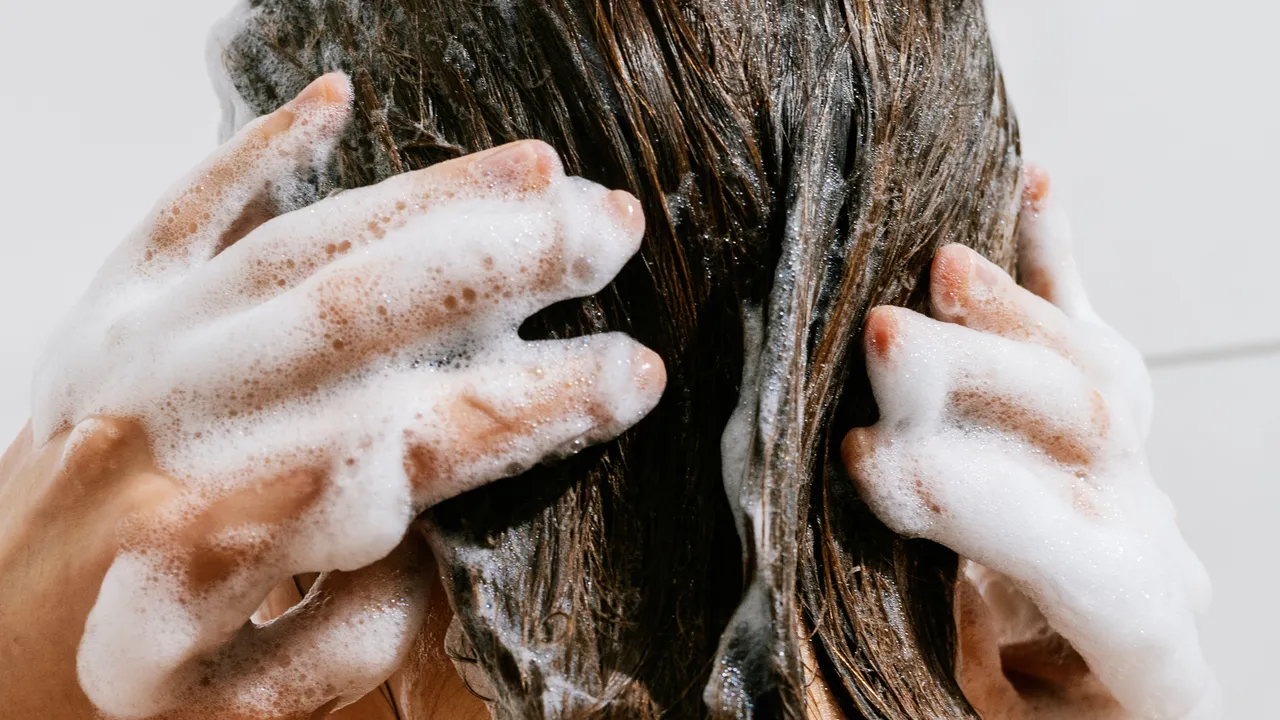
At-home chelating treatment gives you the most control. Wet your hair well and work chelating shampoo onto your scalp.
Massage for a minute or two. Let it sit for another minute or so before rinsing thoroughly.
That contact time really matters for getting minerals out. It’s a simple step, but don’t rush it.
After chelating, always follow up with deep conditioning or a hair mask. Your hair’s probably thirsty after all that.
Let the conditioner sit for at least five minutes. You’ll notice the difference in softness.