
What was once science fiction is now a reality. Smart locks have evolved from simple keyless entry to become the hub of your smart home security, integrating with cameras, sensors, and voice assistants. This advancement offers greater convenience and peace of mind, but also raises important questions about privacy and real-world security.
From TV Fantasies to Reality: Pop Culture’s Vision of Smart Homes
Television and film have shaped our expectations for smart homes long before the technology existed. AI assistants and automated systems once seemed purely fictional, but many concepts from entertainment have directly influenced real-world innovations.
Iconic Smart Home Moments in TV and Film
The Jetsons introduced audiences to automated living decades ago, featuring robotic helpers and smart appliances that anticipated user needs. Their futuristic home showcased moving walkways and voice-controlled devices that seemed impossible at the time.
Tony Stark’s AI assistant Jarvis in the Iron Man series represents the ultimate smart home vision. You’ve watched Jarvis control lighting, security, and entertainment systems through natural conversation, setting expectations for today’s voice assistants.
The 1999 Disney movie Smart House featured an AI named Pat that managed household functions automatically. While Pat’s overbearing nature highlighted potential concerns, the film accurately predicted today’s integrated home automation systems.
Real-Life Inspirations from Screen to Home
Voice assistants like Alexa and Google Assistant bring Jarvis-style control to your home. You can now adjust thermostats, lock doors, and manage security cameras using simple voice commands.
Smart appliances mirror The Jetsons’ vision with robotic vacuums, connected refrigerators, and automated lighting. AI-driven personalization learns your preferences for temperature, lighting, and security settings.
Home automation systems integrate multiple devices seamlessly, though we’re still working toward the fully autonomous homes depicted in pop culture.
The Transformation of Lock Technology: From Keys to Smart Locks
Lock technology has progressed from mechanical systems requiring physical keys to sophisticated access control methods using biometric authentication and keyless entry. This shift addresses longstanding security vulnerabilities while introducing unprecedented convenience in home security.
Traditional Lock Mechanisms and Their Limitations
Physical keys and mechanical locks served as the standard for home security for centuries. These systems relied on metal pins and tumblers that aligned when the correct key was inserted.
Traditional locks presented several challenges for homeowners. Lost or stolen keys compromised security and required expensive rekeying. You couldn’t track who entered your home or when. Keys could be easily duplicated without your knowledge.
Physical wear degraded lock performance over time. Weather exposure caused rust and jamming. You had no remote access control, making it difficult to grant entry to guests when away.
The Shift to Electronic and Keyless Entry
Keyless entry systems eliminated the need for physical keys through digital codes and smartphone connectivity. These systems connect via Wi-Fi or Bluetooth, letting you control your door locks remotely.
You can now lock or unlock your door with a smartphone tap or voice command. Temporary access codes allow you to grant entry to guests or service providers for specific timeframes. Real-time monitoring shows you exactly when someone enters or exits.
Electronic locks provide activity logs that track all entry attempts. You receive instant alerts on your phone when someone accesses your door.
Biometric Advances: Fingerprints and Facial Recognition
Biometric authentication adds another security layer by verifying unique physical characteristics. Fingerprint smart door locks scan your fingerprint pattern for access, making unauthorized entry extremely difficult.
Facial recognition technology analyzes facial features to grant or deny entry. These systems can’t be fooled by copied keys or shared codes.
You benefit from faster access without fumbling for keys or remembering codes. Biometric data remains stored locally on the device, protecting your privacy while maintaining security.
Smart Locking Systems at the Heart of the Modern Smart Home
Smart locks serve as a central security component in home automation systems, connecting with other devices through protocols like Zigbee, Z-Wave, and Thread while offering remote access and monitoring capabilities.
Integration with Home Automation Systems
Your smart lock can communicate with thermostats, lighting systems, and security cameras through smart home hubs. When you unlock your door, your lights can turn on automatically and your thermostat can adjust to your preferred temperature.
Voice assistants like Amazon Alexa and Google Assistant let you control your lock with simple commands. Apple HomeKit users can create automation scenes that trigger multiple actions based on your lock’s status.
Remote Access and Monitoring
You can lock or unlock your door from anywhere using your smartphone. This feature is useful when you need to let in guests while you’re away or verify that you locked up before bed.
Most smart locks send real-time notifications when someone enters or exits, giving you a complete access log of who came and went throughout the day.
Interoperability and Smart Home Ecosystems
Smart locks use wireless protocols like Zigbee, Z-Wave, and Thread to connect with other IoT devices. These standards ensure your lock works with various smart home hubs and platforms.
The best systems offer cross-platform compatibility, letting you choose devices from different manufacturers while maintaining seamless control through a single app or hub.
The Growing Cast: Connected Devices Enhancing Smart Security
Modern home security systems work best when multiple devices communicate with each other, creating layers of protection that respond to threats in real time. Security cameras provide visual monitoring, sensors detect unauthorized entry, and smart lighting can deter intruders while reducing energy costs.
Smart Security Systems and Their Key Features
Today’s wireless security systems connect directly to your smartphone, letting you monitor your home from anywhere. These systems include alarm systems that trigger when sensors detect unusual activity, sending instant alerts to your phone.
Most home security systems now integrate with smart locks, cameras, and sensors to create a unified defense network. You can customize alerts based on specific triggers, like a door opening during certain hours or motion detected in restricted areas.
Sensors, Cameras, and Motion Detectors
Door/window sensors form your first line of defense by alerting you when entry points open unexpectedly. Motion sensors detect movement inside your home, distinguishing between pets and potential intruders.
Security cameras with night vision and two-way audio let you see and communicate with visitors remotely. Many models include battery storage for continuous operation during power outages.
Smart Lighting and Energy-Efficient Security
Remote-controlled lighting creates the illusion of occupancy when you’re away, deterring potential break-ins. Motion-activated lights illuminate dark areas automatically, combining security with energy efficiency by only activating when needed.
Technology Behind the Scenes: Voice, AI, and Analytics in Smart Locks
Smart locks now respond to your voice commands, learn your routines, and analyze patterns to keep your home secure without requiring constant manual input.
Voice Assistants and User-Friendly Control
You can unlock your door by simply speaking to Alexa, Google Assistant, or other voice-activated assistants. Smart locks integrate with devices like Amazon Echo and Google Nest, letting you control access hands-free while carrying groceries or when you’re already in bed.
Voice control triggers automated routines beyond unlocking. Your system can disarm alarms, adjust lighting, and notify other smart devices when you arrive home.
Artificial Intelligence and Predictive Analytics
AI-powered locks use facial recognition to identify you in different lighting conditions, even when wearing glasses or hats. Machine learning analyzes access patterns to detect unusual activity and send real-time alerts to your phone.
Learning Algorithms for Enhanced Security and Comfort
Your smart lock learns when you typically come and go. Learning algorithms adapt to your schedule through software updates, automatically adjusting security settings during vacation periods or recognizing irregular access attempts that don’t match your normal patterns.
Privacy and Security Concerns in the Age of Smart Homes
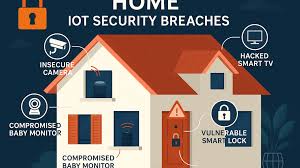
Smart locking systems and other Internet of Things devices introduce real vulnerabilities that can expose your personal data and home security to unauthorized access.
Data Protection and User Privacy
Smart home devices collect significant amounts of personal information through their sensors and network connections. Your smart lock tracks when you enter and leave, while other devices may capture location data, usage patterns, and even unique identifiers from your hardware.
Research shows these devices can inadvertently expose personally identifiable information through local network protocols. Any app on your network might access this data without explicit permission, creating opportunities for surveillance companies to build detailed profiles of your household habits.
Encryption and Two-Factor Authentication
Strong encryption protects data transmitted between your devices and their servers. Look for smart locks that use AES-256 encryption as a baseline security standard.
Two-factor authentication adds another security layer by requiring a second verification method beyond your password. Enable this feature wherever available to prevent unauthorized account access.
Staying Secure Amid Evolving Threats
Regular software updates patch newly discovered vulnerabilities in your devices. Enable automatic updates when possible, or check monthly for available firmware upgrades.
Review which devices truly need internet connectivity and consider isolating your smart home devices on a separate network from computers containing sensitive information.