
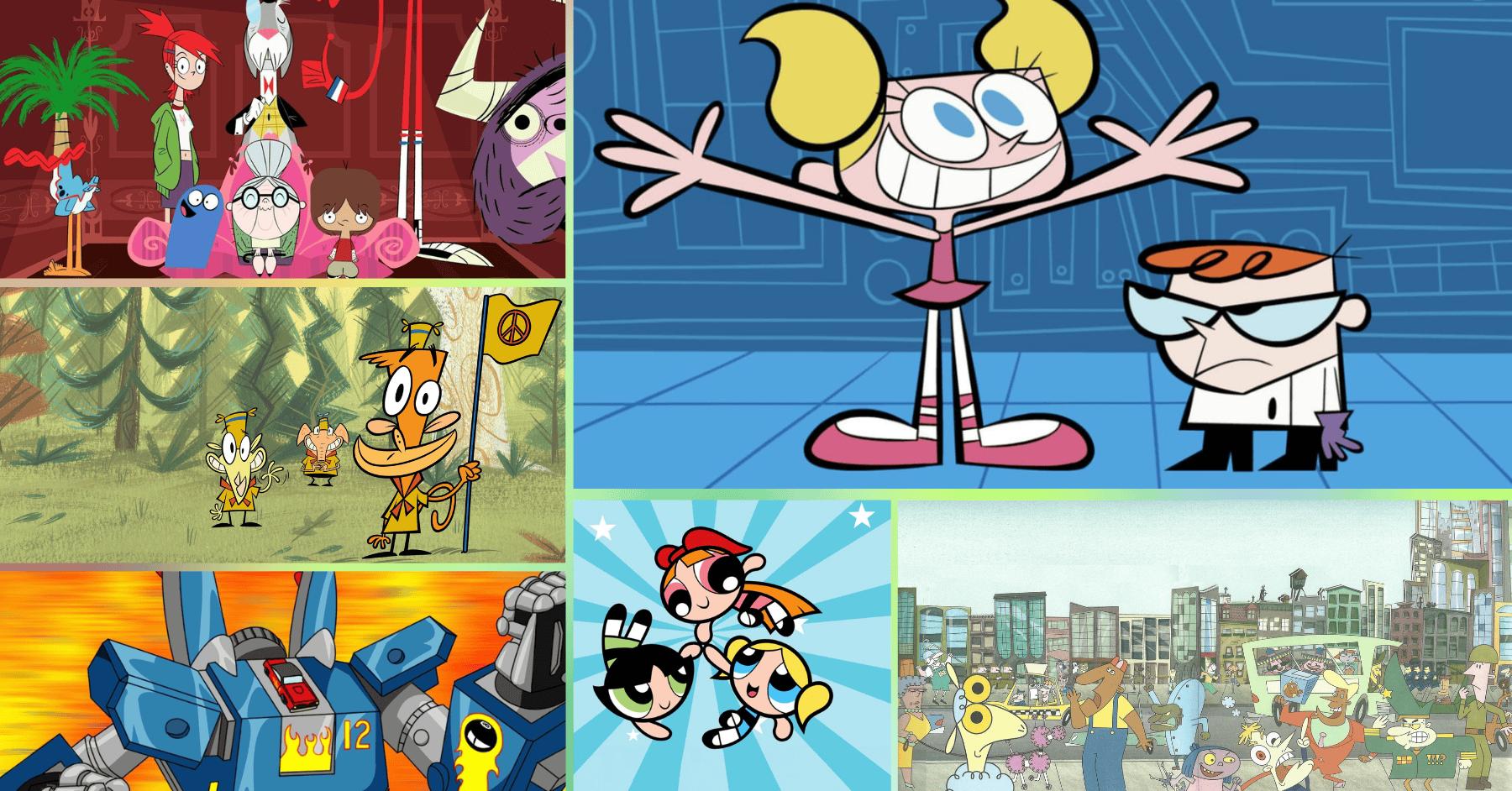
Turn your child’s favorite cartoons into a launchpad for friendship and learning. By encouraging kids to discuss shows through hands-on activities like role-playing or art projects, you can transform passive screen time into active, social play that builds communication skills and deeper connections with friends.
Why Discuss Cartoons Beyond the Screen?
When kids talk about their favorite cartoons face-to-face, they develop essential social abilities and creative thinking skills that passive viewing alone cannot provide.
Encouraging Social Skills and Teamwork
Cartoon discussions give your child natural opportunities to practice taking turns in conversation and listening to different perspectives. When kids debate whether a character made the right choice or predict what happens next, they learn to respect opposing viewpoints.
Group activities like reenacting scenes or creating new storylines together require cooperation and shared decision-making. Your child learns to negotiate roles, compromise on ideas, and work toward common goals. These collaborative experiences build confidence in social settings and teach valuable teamwork principles they’ll use throughout life.
Building Empathy and Communication
Talking about cartoon characters’ feelings and motivations helps your child understand emotions in themselves and others. When they discuss why a character felt sad or what made another one brave, they practice identifying and articulating complex feelings.
These conversations improve communication skills as children learn to explain their thoughts clearly and ask meaningful questions. Your child develops emotional intelligence by connecting character experiences to real-life situations, strengthening their ability to relate to peers and family members.
Impact of Cartoons on Imagination and Creativity
Face-to-face cartoon discussions spark imaginative play that extends far beyond the screen. Your child creates fan art, invents alternate endings, or builds props from craft materials, transforming passive entertainment into active creation.
These interactions encourage original thinking as kids combine ideas from multiple shows or add their own unique twists to familiar stories. Collaborative creativity flourishes when children build on each other’s suggestions, developing problem-solving skills and innovative thinking patterns.
Setting the Stage: Limiting Screen Time for More Meaningful Interactions
Reducing screen time creates space for children to engage in conversations and activities about their favorite cartoons. Balancing media consumption with active play and family discussions helps kids develop social skills while still enjoying the shows they love.
Finding Balance Between Screen Time and Active Play
You can create natural opportunities for your children to discuss cartoons by scheduling specific times for screens and non-screen activities. Instead of letting media fill every free moment, designate periods for outdoor play, creative projects, or board games.
Try alternating between watching a cartoon episode and playing a related game. This rhythm helps kids transition from passive viewing to active engagement without feeling restricted.
Understanding the Benefits of Reduced Screen Time
When you limit excessive screen time, children develop stronger communication skills and creativity. They learn to express their thoughts about characters and storylines through conversation rather than just consuming content.
Research shows that reduced screen exposure improves language development and social interaction abilities. Your kids gain more practice articulating their ideas when they talk about cartoons instead of simply watching them continuously.
Role of Co-Viewing and Family Discussions
Co-viewing transforms screen time into an interactive experience. When you watch cartoons with your children, you can ask questions about plot points, characters’ choices, or favorite moments.
A family game night based on cartoon themes extends these discussions beyond the screen. You might create trivia questions or act out scenes together, encouraging kids to share their perspectives and listen to others’ interpretations.
Creative Activities to Spark Cartoon Conversations
Hands-on activities transform passive cartoon watching into dynamic conversations where kids share their favorite characters and storylines through art, play, and creativity.
Arts and Crafts Inspired by Favorite Characters
Set up a crafting station where kids can create their own versions of beloved cartoon characters. Provide supplies like construction paper, markers, glue, and googly eyes so they can design masks, character puppets, or comic strips featuring their favorite shows.
These projects naturally prompt discussions about character traits, storylines, and what makes each character special. Your child’s fine motor skills develop while they cut, glue, and color.
Imaginative Play and Puppet Shows
Encourage kids to put on puppet shows recreating scenes from cartoons they love. They can use store-bought puppets or make their own from socks and craft materials.
This imaginative play pushes children to remember dialogue, negotiate roles, and collaborate on storylines together.
Making Storytelling Come Alive with Play Dough and Finger Painting
Play dough lets kids sculpt their favorite characters while discussing episodes and plot twists. Finger painting offers another tactile way to bring cartoon worlds to life through art, encouraging creativity as they mix colors and recreate memorable scenes together.
Active Group Games and Challenges Based on Cartoons
Cartoon-inspired activities transform passive viewing into dynamic play where children collaborate and move. These games blend physical challenges with creative thinking to keep kids engaged beyond their screens.
Scavenger Hunts and Obstacle Courses
Create scavenger hunts based on your child’s favorite cartoon characters and storylines. Hide clues around your home or yard that reference specific episodes or character traits. For example, a Wild Kratts hunt might include animal facts, while a Daniel Tiger search could focus on emotional learning moments.
Indoor obstacle courses work well for rainy days. Set up cushions, jump rope stations, and crawl-through tunnels that mimic cartoon adventures. Challenge children to complete the course as their favorite character would, encouraging imaginative movement and teamwork.
Classic Board Games with a Cartoon Twist
Adapt classic board games by adding cartoon themes. Transform Pictionary into a character-drawing challenge where kids sketch their favorite cartoon figures. Create custom trivia cards for existing games that test knowledge about plot details and character relationships.
Board games naturally promote problem-solving and turn-taking skills. When you add familiar cartoon elements, children stay more engaged and invested in the outcomes.
Science Experiments and Collaborative Play
Simple experiments like vinegar volcanoes become more exciting when framed as cartoon adventures. If your kids watch science-based shows, recreate experiments from episodes together. This hands-on approach reinforces concepts while building curiosity and collaboration skills among children.
Sharing and Exploring Favorite Cartoons Together
When kids share their favorite cartoons with friends and family, they build empathy and communication skills while strengthening relationships through creative activities and meaningful conversations.
Hosting Cartoon-Themed Book Clubs or Cozy Reading Nooks
You can create a cozy reading nook where your children gather with friends to discuss cartoon books and graphic novels based on their favorite shows. Set up comfortable cushions, bean bags, and soft lighting in a quiet corner of your home.
Encourage kids to bring their favorite cartoon-related books to share. They can take turns reading aloud, discussing characters, and comparing storylines between the animated versions and printed adaptations.
This activity helps children practice listening skills and respectful dialogue. You’ll notice how they learn to appreciate different perspectives when friends share varying opinions about characters and plot developments.
Building Connections Through Family Game Night
Your family game night becomes more engaging when you incorporate cartoon-themed board games, card games, or trivia challenges. Kids naturally discuss their favorite shows while playing, creating opportunities for deeper conversations about characters and storylines they love.
Creating Safe Spaces for Kids’ Discussions
You need to establish environments where children feel comfortable expressing their thoughts about cartoons without judgment. Set clear guidelines about respecting different opinions and taking turns speaking, helping your kids develop empathy as they listen to others’ viewpoints.
Tips for Parents: Facilitating Interactive Discussions Without Screens
Parents play a key role in transforming passive watching into active learning by guiding conversations about shows and selecting content that invites participation and reflection.
Guiding Conversations on Streaming Platforms
YouTube Kids and Netflix offer countless cartoon options, but the real value comes from discussing what your kids watch. Ask open-ended questions about characters and storylines to spark deeper thinking.
Try questions like “Why do you think Bluey felt that way?” or “What would you do in that situation?” These prompts encourage critical thinking beyond what appears on screen.
Set aside time after viewing to chat about favorite moments. This simple habit transforms media consumption into a shared experience that supports cognitive development.
Choosing the Right Interactive Series
Some shows naturally promote engagement. Dora the Explorer and Daniel Tiger’s Neighborhood ask direct questions and pause for responses. Sesame Street builds problem-solving skills through educational content.
Encouraging Reflection on What Kids Watch
Help children connect cartoon themes to real life. After watching Bluey or Curious George, discuss similar situations they might face with friends.