
The Economics of Fandom: Breaking Down the Cost
In the modern era of sports consumption, the fan is faced with a fundamental economic dilemma: to pay or not to pay? For decades, the equation was simple. If you wanted to watch the game, you paid a cable provider a hefty monthly fee for a bundle of channels, 90% of which you never watched. Today, the landscape has fractured into a complex dichotomy. On one side, we have the premium subscription models—slick, high-definition, and packed with features but increasingly expensive. On the other, we have the “free viewing” ecosystem—ad-supported, accessible, and scrappy.
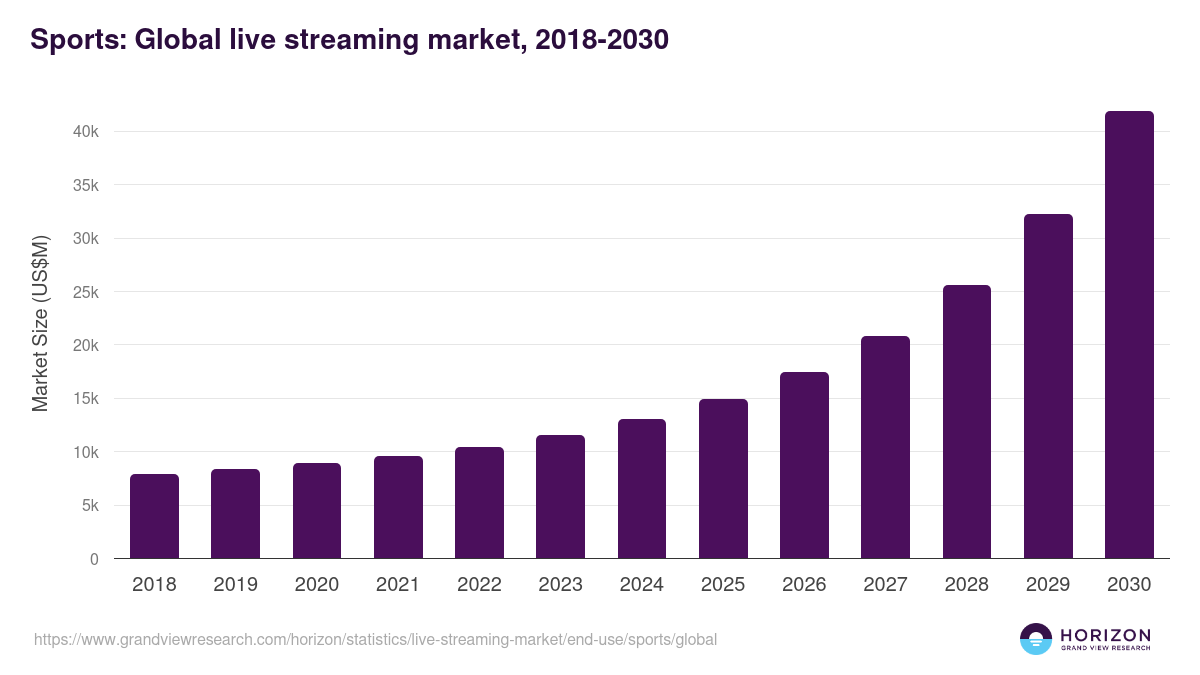
This article aims to dissect this “Price War” not just from a technological standpoint, but from a “Value for Money” perspective. We are analyzing the Global Sports Streaming Trends to understand where the smart money is going. Is the premium subscription truly worth the price of admission, or is the free viewing model a viable alternative for the savvy consumer? As inflation squeezes household budgets globally, this question has transitioned from a matter of preference to a matter of necessity. The modern sports fan is becoming a financial analyst, weighing the cost of a monthly subscription against the utility of a free stream.
The Premium Proposition: What Are You Actually Buying?
The subscription model, championed by giants like ESPN+, DAZN, and League Pass, sells one thing above all else: frictionlessness. When you pay $15 or $30 a month, you are paying for the privilege of not having to think. You open the app, click the game, and it works. There are no pop-up ads, no malware risks, and usually, a guarantee of 1080p or 4K resolution.
However, the “Price War” analysis reveals a diminishing return on investment. The fragmentation of rights means that a single subscription rarely covers all a fan’s needs. To watch the Premier League, the Champions League, and the NBA often requires three separate subscriptions, ballooning the monthly cost to over $100. This “subscription stacking” is the Achilles’ heel of the paid model. While the User Interface (UI) is polished and the latency is generally low, the cumulative cost is driving users away. Furthermore, regional blackouts—an archaic legacy of cable contracts—still plague paid services. It is a bitter pill for a consumer to pay for a premium NBA 중계 (NBA broadcast) subscription only to be told they cannot watch their local team due to broadcasting restrictions. This irony is the primary driver pushing users toward alternative solutions.
The Free Viewing Ecosystem: The Wild West or the New Frontier?
Conversely, the free viewing landscape has evolved significantly. Historically associated with pixelated, buffering illegal streams, the modern “free” tier is becoming sophisticated. We are seeing the rise of FAST (Free Ad-supported Streaming TV) channels and legitimate hybrid platforms that offer sports content in exchange for attention (ads) rather than currency.
The primary advantage is, obviously, the cost: zero. For a global audience, particularly in developing economies or for students and young professionals, this is the only viable option. But beyond cost, the “Free Viewing” model often aggregates content more effectively than paid silos. A user doesn’t care which conglomerate owns the rights; they just want the game. Platforms that curate links or streams—often referred to as aggregators—provide a unified directory that paid services cannot legally offer.
However, the “cost” here is paid in user experience. Navigating pop-ups, finding a reliable stream, and dealing with variable video quality are the taxes of the free tier. Yet, for many, this is a trade worth making. Interestingly, we are seeing a convergence where free platforms are improving their infrastructure. Some aggregator sites now offer stability that rivals paid services. For example, users exploring options at www.ipatioumbrella.com often find that the gap in video fidelity between paid and free is narrowing, provided they have a stable internet connection and a decent ad-blocker. The value proposition here is immense: if the quality is 90% of the paid version but the cost is 0%, the economic choice becomes clear.tt
Latency and reliability: The Hidden Costs
When comparing Subscription vs. Free Viewing, one must look under the hood at “Latency.” In live sports, speed is the currency of excitement. Paid subscriptions, particularly those using traditional cable infrastructure or high-end CDNs, typically offer lower latency. They are closer to “real-time.” Free streams, often re-routed through multiple servers to evade detection or manage load, can lag by 30 to 60 seconds.
For the casual viewer, a minute delay is irrelevant. But for the “second screen” user who is on Twitter or betting live, this lag is fatal. Imagine celebrating a goal you just saw, only to realize your friends messaged you about it a minute ago. This social disconnect is a significant hidden cost of the free model. However, technology is leveling this field too. New peer-to-peer streaming protocols are reducing lag on free platforms. As we analyze trends, the “latency gap” is shrinking. If free platforms can achieve sub-10-second latency, the primary technical moat of the paid subscription model will evaporate.
The User Experience Battle: UX vs. Freedom
The paid model excels in UX (User Experience). Personalized recommendations, cloud DVR features (recording games), and multi-view options are standard. They treat the user like a customer. The free model treats the user like a survivor. You hunt for the link, you close the ads, you refresh the page.
But there is a philosophical “Freedom” in the free model. You are not locked into a contract. You are not auto-renewed for a service you forgot to cancel. You are a nomad, moving from platform to platform based on who has the best stream for that specific match. This flexibility is highly updated for the “cord-never” generation. They prefer the agility of the open web over the walled gardens of apps. In this context, verifying the safety of these free portals is crucial. Checking reviews or using trusted directories becomes part of the ritual. The savvy user builds a portfolio of reliable free sources, essentially creating their own “free bundle” that rivals the content depth of a paid cable package.
The Hybrid Future: Tiers and Micropayments
So, who wins the Price War? The trend suggests a middle ground. The rigid “all-you-can-eat” expensive subscription is dying. In its place, we might see the rise of micropayments or “Pay-Per-Match” models, which offer the quality of paid with the flexibility of free.
However, until that market correction happens, the “Free Viewing” sector will continue to grow. It acts as a pressure valve for the industry, keeping paid services honest. If subscriptions become too expensive or too restrictive (like blackouts), the exodus to free alternatives accelerates. The existence of robust free options forces paid providers to innovate and justify their premiums. Ultimately, the winner is the consumer who understands the trade-offs. Whether you choose the polished convenience of a subscription or the adventurous economy of free viewing, the content is out there. The key is to assess your own “Fandom ROI”—is the stress of finding a free stream worth the $20 saved? For millions, the answer is a resounding yes.