
Electric bikes are becoming one of the fastest-growing forms of transportation around the world. As more people search for convenient, eco-friendly, and enjoyable ways to get around, questions like “what is an electric bike,” and “what are electric bikes” are becoming more common.
Whether you’re new to e-bikes or considering buying one, this guide breaks down everything you need to know, how they work, the different types, their benefits, and how to choose the right one.
What Is an Electric Bike?
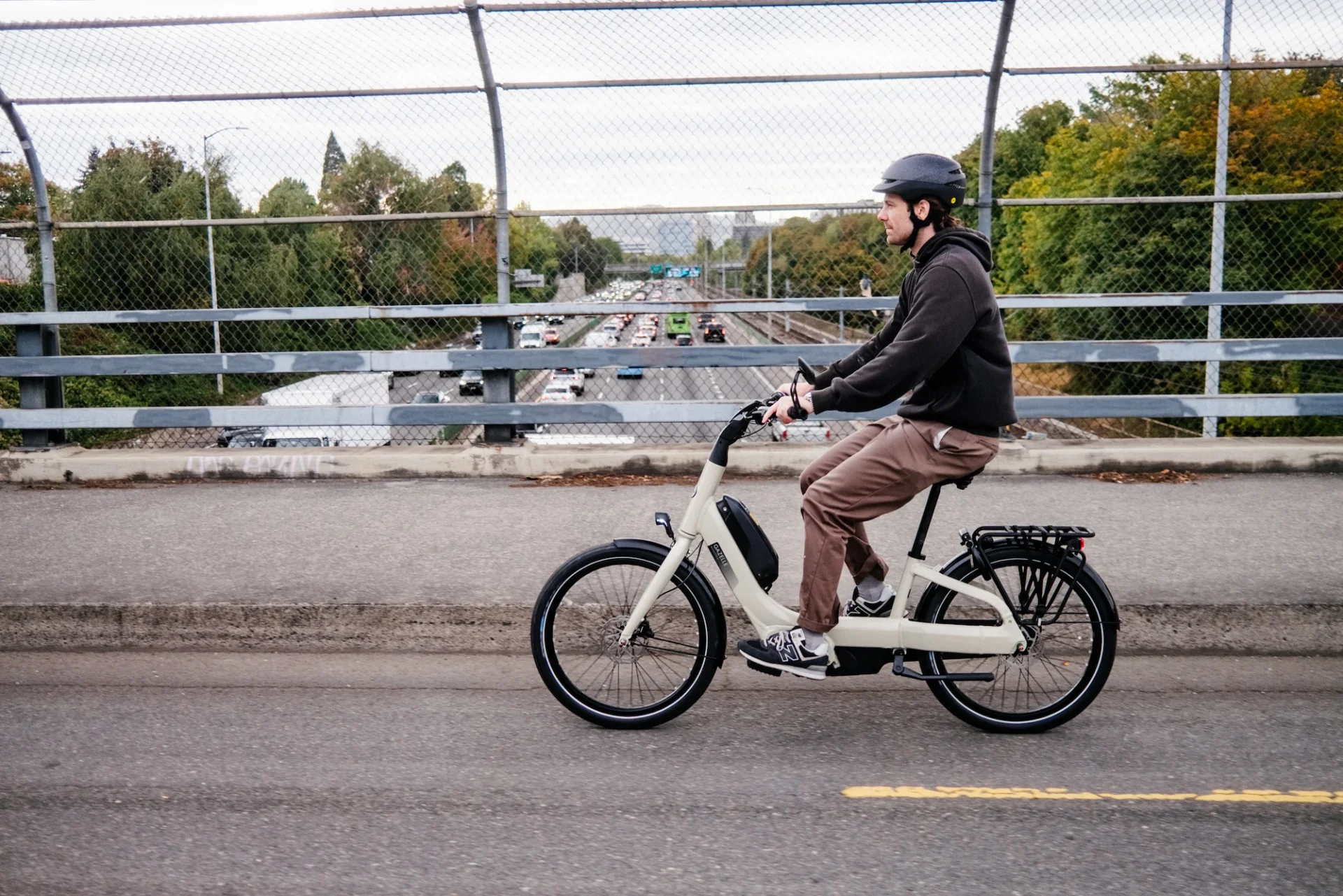
An electric bike, often called an e-bike, is a bicycle equipped with an electric motor, a battery, and a controller that assists your pedaling. It feels like a regular bike, but with added power that makes riding faster, easier, and more enjoyable.
In other words, when people ask “what are electric bikes?”, the answer is simple:
👉 They are bicycles with an electric assist that helps you pedal with less effort.
You can still pedal normally, but the motor gives you an extra boost.
How Electric Bikes Work
Electric bikes may look like regular bikes, but several components work together to provide power and assistance.
1. Electric Motor
The motor provides power to help you pedal. Common types include:
- Rear hub motor – most common, stable, reliable
- Front hub motor – simple design, lighter
- Mid-drive motor – powerful, ideal for hills and off-road riding
2. Battery
The battery powers the motor. Key points:
- Usually 36V–52V
- Average range 20–60 miles, depending on conditions
- Removable or built-in, depending on the model
3. Controller
This is the “brain” of the bike, managing how much power goes from the battery to the motor.
4. Pedal Assist (PAS)
With pedal assist, the motor activates when you pedal. You choose an assist level, low, medium, or high, depending on how much help you want.
5. Throttle (On Some Models)
Some electric bikes include a throttle, allowing you to ride without pedaling. This is especially useful for commuting, hills, or when you need a break from pedaling.
Types of Electric Bikes
E-bikes come in many styles, each designed for specific riding needs.
1. Commuter Electric Bikes
- Perfect for city riding, daily commuting, and paved paths.
2. Mountain Electric Bikes (E-MTB)
- Built for off-road trails, hills, and rugged terrain.
- Features include stronger motors, suspension, and durable frames.
3. Folding Electric Bikes
- Compact and portable, ideal for apartment living, public transportation, or trunk storage.
4. Fat Tire Electric Bikes
- Thick tires offer stability and traction for sand, snow, gravel, and dirt paths.
5. Cargo Electric Bikes
- Designed to carry extra weight, great for families, delivery, or grocery runs.
What Are Electric Bike Classes?
If you’re researching what an electric bike is, it’s important to understand the three U.S. e-bike classes. They determine speed limits and where you’re allowed to ride.
Class 1
- Pedal assist only
- Top speed: 20 mph (32 km/h)
- Legal on most bike paths and trails
Class 2
- Pedal assist + throttle
- Top speed: 20 mph
- Accessible for beginners or casual riders
Class 3
- Pedal assist only
- Top speed: 28 mph (45 km/h)
- Designed for serious commuters
- Not allowed on some bike paths
Benefits of Electric Bikes
Electric bikes are popular for good reasons. Here are the top advantages:
- Faster and Easier Commuting: Skip traffic, avoid parking hassles, and arrive without sweat.
- Less Physical Strain: Great for long distances, hills, or riders who need extra support.
- Eco-Friendly Transportation: Zero emissions and minimal energy usage make e-bikes environmentally friendly.
- Affordable Alternative to Driving: Lower fuel costs, little maintenance, and no insurance required in many areas.
- Accessible for More Riders: E-bikes make cycling possible for seniors, beginners, and those with physical limitations.
Who Are Electric Bikes For?
One of the best parts of understanding what electric bikes are is realizing how many people benefit from them.
Ideal for:
- Commuters
- Students
- Delivery riders
- Fitness cyclists
- Off-road adventurers
- Older adults
- Anyone who wants fast, easy, fun transportation
Common Misconceptions About Electric Bikes
1. “They’re the Same as Electric Scooters.”
Not true, electric bikes still function like bicycles and rely on pedaling.
2. “You Don’t Need to Pedal.”
Pedal assist is the main feature. Some models with throttles allow no-pedal riding, but pedaling extends battery range and control.
3. “They Go Too Fast to Be Safe.”
E-bikes follow strict class-based speed limits and come with strong brakes and safety systems.
How to Choose an Electric Bike
If you’re deciding which e-bike to buy, consider these factors:
- Motor size and torque
- Battery capacity and range
- Tire width & suspension
- Riding terrain
- Weight capacity
- Budget
- Class (20 mph or 28 mph)
Choosing based on your lifestyle will help you get the most out of your e-bike.
Conclusion
An electric bike is a bicycle equipped with an electric motor that provides extra power, making riding faster, easier, and more enjoyable.
They offer a smarter, more efficient way to travel, combining the freedom of cycling with the convenience of electric power.
Electric bikes are shaping the future of transportation, and now that you understand what they are and how they work, you’re ready to explore the world of e-mobility with confidence.