
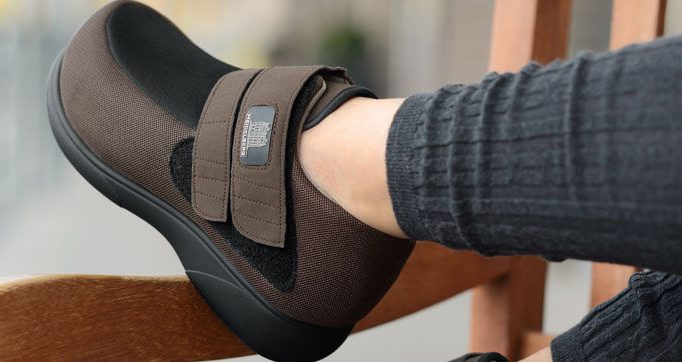
Diabetes influences countless individuals in Australia, with its effects frequently manifesting in the feet long before any other area. The climate, lifestyle, work habits, and environment in Australia present significant challenges for maintaining diabetic foot health. While many individuals link diabetes management primarily to diet, medication, and lifestyle adjustments, it’s often overlooked just how significantly footwear can impact long-term health outcomes. Inappropriate footwear can result in blisters, cuts, infections, nerve damage flare-ups, and pressure wounds that might necessitate a trip to the hospital. Choosing the appropriate footwear can effectively avert most of these issues.
This is why diabetic footwear has emerged as an increasingly important subject in health conversations across Australia. Complications related to diabetic feet continue to be a primary cause of preventable hospital admissions, and a significant portion of these cases could be completely avoided through appropriate foot care and protection. In a nation where individuals often find themselves outdoors for extended periods, traversing sun-baked sidewalks and managing climate-induced swelling, the choice of footwear becomes essential for maintaining long-term health in those with diabetes.
Recently, brands such as FitVille have made significant strides by creating wide, cushioned, and medically supportive footwear aimed at helping Australians mitigate the foot risks linked to diabetes. This change underscores an increasing recognition: effective diabetes management is incomplete without a serious focus on foot protection.
This comprehensive guide outlines the unique footwear needs of Australians with diabetes compared to individuals in various other nations, highlighting how climate and lifestyle factors elevate foot risks, and emphasizing the critical role of appropriate diabetic footwear in potentially avoiding hospital visits.
Why Foot Health Matters So Much for Australians with Diabetes
Foot complications frequently arise in individuals with diabetes, as elevated blood sugar levels impair circulation, diminish nerve function, and hinder the healing process. A minor cut can take its time to heal, a blister might escalate rapidly, and a slight pressure point could develop into a bothersome ulcer.
The environment in Australia intensifies these challenges.
- Elevated temperatures lead to inflammation.
- The walking surfaces heat up significantly.
- Arid weather can lead to skin becoming easily damaged and cracked.
- Extended travel times and a love for the outdoors can create challenges.
Footwear designs from Europe or North America frequently fall short when it comes to enduring the Australian heat or the daily distances walked, particularly for those dealing with diabetic conditions. That is why specialized diabetic footwear is increasingly important.
How Australia’s Climate Raises Foot Risks
The impact of Australian heat on feet is often underestimated. On warm days, it’s quite common for the foot to expand naturally, often increasing in width by several millimetres. Levels of perspiration rise. Socks become moist. The skin tends to lose moisture rapidly. This blend fosters an ideal setting for discomfort and harm.
For individuals managing diabetes, these adjustments are of great importance.
When the foot swells, snug footwear can lead to friction and pressure. This results in blisters that may become infected. As the skin dries out, small fissures appear, particularly on the heel. These fissures can develop into painful separations that permit bacteria to infiltrate.
Conventional footwear fails to tackle these concerns. Diabetic-focused footwear like FitVille’s designs offers ample space for swelling, breathable interiors, cushioned linings, and materials that help minimize skin breakdown. This halts the domino effect that frequently results in trips to the hospital.
The Danger of Reduced Sensation
A significant number of Australians living with diabetes encounter peripheral neuropathy, a condition that diminishes sensation in the feet. As sensitivity wanes, an individual might remain unaware:
- A blister forming
- A cut under the foot
- A wound that reopens
- A tight spot inside a shoe
- A hot area where friction is building
A seemingly minor, overlooked injury can escalate rapidly into a serious issue. In warmer climates, bacteria tend to multiply more rapidly, and when a wound remains moist for an extended period, the likelihood of infection increases significantly.
Wearing the right shoes minimizes these hazards by ensuring the foot remains cushioned, safeguarded, and free from undue pressure. FitVille’s wide-fit, orthopedic-friendly models assist diabetic Australians in maintaining safety, even when sensation is compromised.
Why Wide Fit Matters for Diabetic Australians
Ample toe boxes and sturdy soles are crucial footwear elements for individuals managing diabetes, particularly in Australia. Swelling tends to be more noticeable in warmer climates. Constricted footwear can confine the foot, generating friction that results in pressure sores.
Wide-fit diabetic footwear offers:
- Room for natural expansion
- Better blood circulation
- Reduced pressure on nerves
- More stability for walking on hard surfaces
- Less risk of rubbing on sensitive skin
This is why FitVille’s diabetic shoes are gaining traction among Australians managing diabetes. They provide additional depth, spacious interiors, and soft linings that safeguard delicate skin from undue strain.
Walking Surfaces in Australia Are Tougher on Diabetic Feet
The presence of concrete footpaths, heated pavements, rough outdoor flooring, and extensive suburban stretches results in challenging walking conditions. The firmer the ground, the greater the shock taken in by the foot. For those living with diabetes, this pressure can exacerbate inflammation, provoke nerve pain, and harm the skin.
Footwear from Europe or Asia typically features sturdier outsoles designed for cooler environments. However, Australians require cushioned, shock-absorbing midsoles that mitigate impact with every stride.
FitVille features dual-density cushioning designed to absorb shock from hard surfaces, allowing diabetic walkers to enjoy extended comfort while minimizing strain on their joints and skin.
Moisture Control Is Essential in Warm Climates
Elevated temperatures and increased humidity lead to perspiration in the feet. Moisture accumulation from sweat can elevate the chances of developing fungal infections, skin breakdown, and blisters. Conventional footwear tends to retain moisture, creating a more hazardous environment for individuals managing diabetes.
Diabetic shoes feature breathable mesh, moisture-wicking linings, and lightweight designs that ensure your feet stay cool and dry. FitVille’s designs prioritize ventilation, effectively combating the moisture that frequently results in skin issues.
For Australians with diabetes, particularly in Queensland, New South Wales, and the Northern Territory, breathable footwear is essential. It is essential for everyday safety.
Preventing Pressure Points That Lead to Ulcers
Many diabetic foot ulcers originate from consistent pressure applied to a specific spot. Frequently, this results from ill-fitting footwear that consistently applies pressure to the same area.
Pressure points commonly form on:
- The heel
- Under the ball of the foot
- The sides of the toes
- The little toe
- The area on the foot where footwear flexes
When a pressure spot develops, the skin starts to feel sensitive. In diabetes, this seemingly minor area can swiftly become compromised, leading to infection or a stubborn refusal to heal. A significant number of hospital visits stem from a pressure point that might have been avoided.
FitVille’s orthopedic-friendly soles ensure an even distribution of pressure, minimizing the likelihood of hotspots developing from the outset. Their wide, padded designs safeguard delicate areas, enabling individuals with diabetes in Australia to remain active with confidence.
How the Right Shoes Reduce the Risk of Infections
Infections arise when bacteria infiltrate an exposed wound. Warm environments foster quicker bacterial proliferation, explaining why infections advance more rapidly in Australia compared to cooler regions.
Quality diabetic footwear plays a crucial role in infection prevention by:
Reducing friction
- Preventing cuts from tight shoes
- Keeping moisture low
- Avoiding skin breakdown
Safeguarding against ecological threats
A minor blister, if neglected, can result in complications down the line. Wearing the right shoes helps avoid the discomfort that leads to blisters from the outset.
FitVille’s designs feature smooth interior linings that prevent rubbing, and their spacious toe area minimizes the likelihood of nails or calluses getting caught in the shoe.
Australian Lifestyle Requires More Supportive Footwear
On average, Australians exhibit a higher level of activity compared to numerous residents of Europe. Strolling along the shoreline, engaging in various outdoor pursuits, exploring expansive public parks, navigating uneven landscapes, and traversing lengthy suburban stretches all contribute to the daily strain on our feet.
For those managing diabetes, each extra step heightens the risk.
Well-designed footwear alleviates tiredness, enhances alignment, and safeguards the feet from long-term harm. FitVille’s wide-fit cushioning supports Australians with diabetes in maintaining their lifestyle while ensuring foot safety is prioritized.
Why Choosing the Right Shoe Can Prevent Hospital Visits
Visits to the hospital for complications related to diabetic foot typically arise from three main concerns:
- Skin breakdown
- Pressure ulcers
- Infections
With the right footwear, all three issues can be avoided.
Wearing non-supportive shoes significantly heightens the likelihood of foot injuries, particularly in the sweltering heat of Australia. A seemingly minor cut can escalate rapidly, particularly when blood flow is compromised. As the healing process lags, the injury intensifies.
Choosing the right diabetic footwear stands as a crucial preventive measure, complementing routine foot examinations and effective blood sugar control. FitVille’s specialized shoes provide tailored protection aimed at minimizing the need for emergency intervention.
Footwear designed for diabetics transcends mere fashion; it serves as a crucial medical necessity.
Why FitVille Is Becoming a Trusted Choice
FitVille has swiftly emerged as a top choice for Australians managing diabetes, thanks to their blend of comfort, wide-fit design, and medical-grade safety features. Their emphasis on breathable fabrics, cushioned soles, and spacious toe boxes renders their footwear perfectly suited for the climate and way of life in Australia.
Their selection of diabetic shoes is crafted to ensure that Australians can walk with confidence, minimize pressure risks, and safeguard delicate skin from injuries. For those managing diabetes, selecting the appropriate footwear is a wise decision for sustaining long-term well-being.
FAQs
- Why do Australians with diabetes need different footwear than people in cooler countries?
Due to the heightened risks of foot injuries associated with heat, swelling, and dry skin. Footwear suited for Australian conditions requires breathability, cushioning, and a wide fit.
- How do diabetic shoes prevent hospital visits?
They alleviate pressure points, avert blisters, prevent skin deterioration, and safeguard against infections that frequently necessitate hospital care.
- Are FitVille diabetic shoes good for swollen feet?
Yes. Their spacious toe boxes and generous interiors allow for expansion without creating any friction.
- Do diabetic shoes help with neuropathy?
They alleviate pressure, safeguard delicate areas, and enhance stability, ensuring a safer walking experience for individuals with diminished sensation.
- Can I wear diabetic shoes daily?
Absolutely. These are crafted for daily wear, ensuring lasting comfort and safeguarding during your regular tasks.