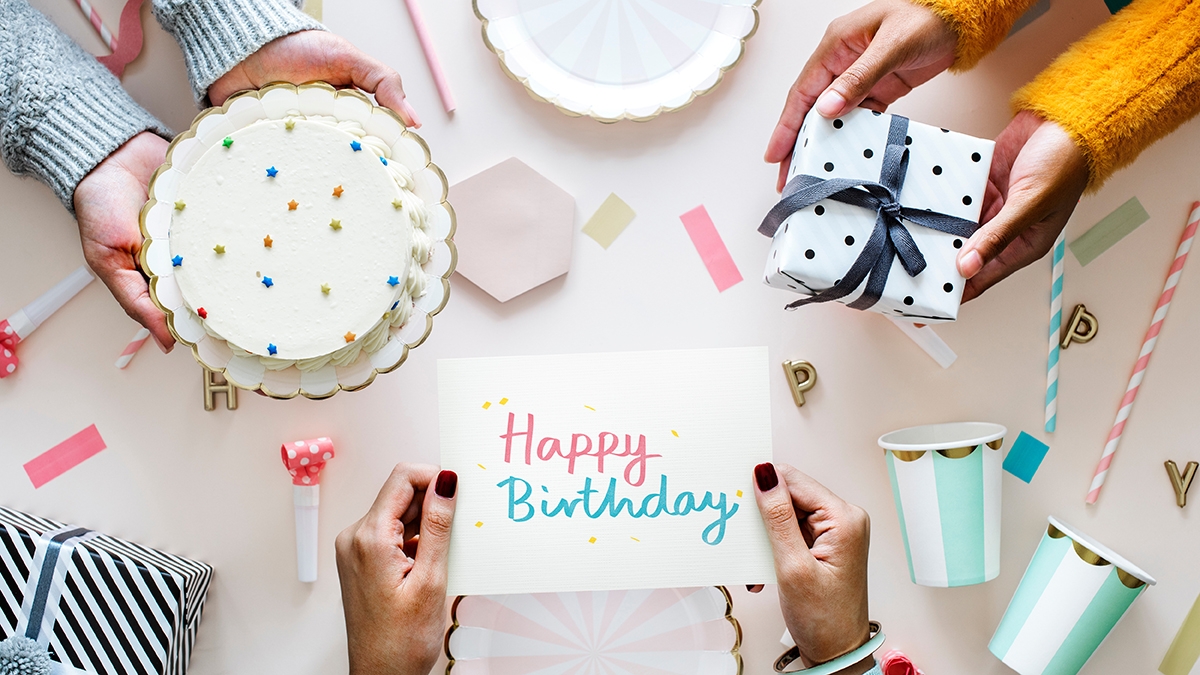
Birthdays are milestones in our lives, moments that mark the passage of time and the celebration of personal growth, achievements, and memories. While gifts and parties are wonderful ways to commemorate these occasions, birthday cards hold a unique charm that transcends mere material value. They are small tokens of thoughtfulness, capable of expressing emotions, affection, and appreciation in ways that words alone often cannot.
The History of Birthday Cards
The tradition of sending birthday greetings dates back centuries. The earliest known Birhtday cards were likely handwritten notes exchanged among the elite in ancient civilizations such as Egypt, Greece, and Rome. However, the modern concept of the birthday card as we know it emerged in Europe during the 19th century. With the advent of the printing press, cards could be mass-produced, making them accessible to the general public. By the Victorian era, sending birthday cards had become a popular and culturally significant practice, often featuring ornate designs, illustrations, and heartfelt messages.
Why Birthday Cards Still Matter
In today’s digital age, one might wonder why physical birthday cards continue to hold significance when e-cards, texts, and social media greetings are so prevalent. The answer lies in the personal touch. A card that has been carefully chosen, written, and handed or mailed reflects a level of thought and effort that digital messages often lack. It is tangible proof that someone has taken the time to think about you, which can make a birthday feel extra special.
Types of Birthday Cards
Birthday cards come in a wide variety, catering to different tastes, relationships, and occasions. Understanding the types can help you choose the perfect one for the person you’re celebrating.
- Traditional Cards: These are the classic cards with printed messages, often featuring floral designs, balloons, or cakes. They are suitable for almost anyone and convey simple, heartfelt wishes.
- Humorous Cards: For those who enjoy a good laugh, humorous cards with jokes, puns, or funny illustrations can be the perfect choice. They are great for friends, siblings, or anyone with a sense of humor.
- Personalized Cards: These cards allow you to add the recipient’s name, photos, or custom messages. Personalized cards are highly cherished because they feel unique and special, often becoming keepsakes.
- Pop-Up or 3D Cards: These visually striking cards unfold into creative designs, adding an element of surprise and delight. They are particularly popular among children or for milestone birthdays.
- Eco-Friendly Cards: With growing awareness of environmental issues, many brands now offer recycled or sustainable cards, appealing to eco-conscious individuals.
The Art of Writing a Birthday Card
Choosing the right card is only half the experience; what you write inside is equally important. A thoughtful message can elevate a simple card into a meaningful gift. Here are some tips for writing memorable birthday wishes:
- Be Personal: Mention specific memories, shared experiences, or traits you admire about the recipient.
- Keep it Heartfelt: Express genuine emotions rather than relying solely on clichés.
- Match the Tone: Consider the relationship and personality of the person. A funny message may not suit everyone, and a serious note may not fit a lighthearted friend.
- Include a Closing Thought: End with a warm wish for the year ahead or an expression of love and appreciation.
Even a short, simple message can be powerful when it comes from the heart. Sometimes, the most memorable cards are those with just a few sincere words.
Beyond Words: Creative Ways to Enhance Birthday Cards
Many people like to add a personal touch beyond the written message. Some creative ideas include:
- Hand-Drawn Illustrations: Even simple sketches can make a card more meaningful.
- Stickers or Decorations: Adding small embellishments can reflect the recipient’s personality or interests.
- Photos and Memories: Including pictures of shared experiences can make the card a keepsake.
- Handwritten Letters: Extending the card with a longer letter can express feelings that don’t fit on a standard card.
These touches transform a birthday card from a simple greeting into a cherished memory.
The Emotional Impact of Birthday Cards
A birthday card is more than just paper; it is a medium of emotional connection. Receiving a card can evoke feelings of happiness, gratitude, and love. For elderly family members or friends who live far away, cards can bridge the distance and remind them that they are remembered and valued. Even in professional settings, sending a thoughtful birthday card can strengthen relationships and show respect and appreciation for colleagues.
Modern Trends in Birthday Cards
While traditional paper cards remain popular, digital innovation has introduced new possibilities. Animated e-cards, video messages, and interactive cards allow for dynamic expression, blending technology with sentiment. However, despite these innovations, research shows that tangible cards often leave a deeper emotional impact, as they can be physically held, displayed, and revisited over time.
Conclusion
Birthday cards may seem like a simple gesture, but their significance goes far beyond their size. They are a reflection of care, thoughtfulness, and personal connection. Whether traditional, humorous, or personalized, each card carries a unique message of love, friendship, and celebration. In a world dominated by instant communication, taking the time to select, write, and give a birthday card remains one of the most enduring and meaningful ways to celebrate life’s milestones.