
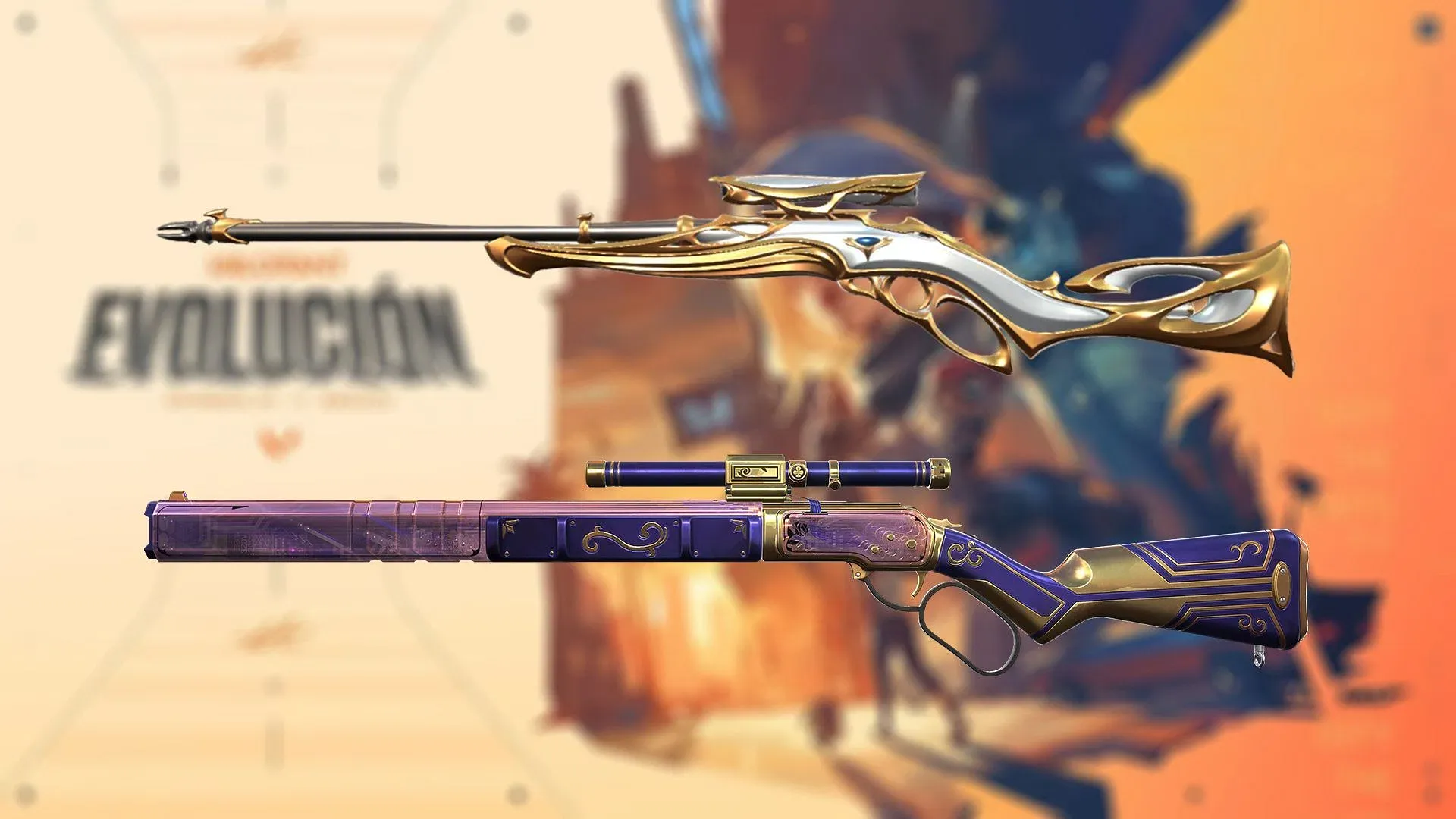
You can tell a lot about a player by what’s on their rifle. Some go sleek, silver, and clean — no fuss, no flair. Others? They treat their weapons like storybooks, each design holding a symbol or a hint of where their mind wanders when the round starts.
In CSGO and now CS2, weapon skins have become a kind of cultural shorthand — digital tattoos that carry far more than color. A perfect example is the AK47 Gold Arabesque. It isn’t just another rifle skin; it’s a piece of art that echoes centuries of Middle Eastern ornamentation, those swirling gold motifs that once traced the walls of mosques and palaces. The way it gleams under virtual light — it feels almost reverent.
Across the CSGO skin market, pieces like this tell a quiet truth: our digital spaces borrow from the world we already know. And maybe that’s the point.
Art and Ammunition
Weapon skins weren’t always this deep. At first, they were just… skins. Paint jobs. Something to buy CSGO skins or sell CSGO skins for, flex in a match, move on. But over time, they became reflections — not just of players, but of the cultures shaping the game itself.
Scroll through Market CSGO skins or check out Market CSGO items, and you’ll notice it right away: there’s a global fingerprint on almost everything. The way a serpent winds around an AWP? Straight out of ancient myth. Those clean, neon geometries on CS2 AK skins? Inspired by Japanese and Korean futurism. Even the dusty textures on older rifles echo the grit of real-world craftsmanship — sanded steel, oil, and tradition.
You start realizing that in a game obsessed with precision, someone also took time to care about the curve of a line, the shine of brass, the echo of old stories.
When History Meets Hitboxes
One of the strange joys of exploring CS2 skins market trends is seeing what cultural thread designers pull on next. The AK47 CSGO has been reinterpreted a hundred ways — through Norse mythology, African tribal art, even Soviet-era poster design.
But the Gold Arabesque sits differently. Its design language isn’t loud. It’s proud, sure, but in that timeless, regal way. The golden surface carries the same mathematical precision you’d find in Islamic tilework — a symmetry that’s both strict and somehow flowing.
It’s fascinating how a weapon — a digital one at that — can hold such aesthetic grace. There’s an irony there that most players don’t even notice: the beauty of human culture mapped onto the tools of fictional war.
The Global Bazaar of Pixels
Gaming markets like Market CSGO have become accidental anthropological exhibits. Thousands of items from every corner of design imagination, traded by players who might not even share a language.
It’s a little poetic when you think about it. One player might sell CS2 skins from Europe while another in Southeast Asia buys CS2 skins, both holding a rifle etched with motifs neither grew up with but somehow understand.
It’s globalization in pure form — art without borders, meaning without translation.
That’s the weird beauty of CSGO skin trading and CS2 skin trading: it’s a quiet culture exchange dressed up as an economy. Players argue about prices and floats, sure, but what they’re really doing — maybe without realizing — is keeping a digital art scene alive.
Beauty in Battle
I’ve always thought it was strange that people decorate weapons. Even in real life — from engraved flintlocks to polished sabers — there’s something instinctive about our desire to dress up danger.
Maybe it’s our way of controlling fear. If we can make it beautiful, we can live with it.
That same instinct lives in CS2 AK designs. We take the mechanics of destruction and lace them with color, history, emotion. It’s almost tender. The Gold Arabesque, for instance, doesn’t scream for attention. It glows. Like a relic. A reminder that humans will always try to make meaning — even in games built around chaos.
From Trade to Tradition
Spend enough time trading and you’ll see patterns repeat — not just in texture, but in taste. What’s popular in one region might flop in another. Some collectors lean toward cold steel tones; others hoard anything that glows red or gold.
It’s art by algorithm now. Supply, demand, nostalgia — all feeding into what becomes rare or revered. A skin released five years ago can suddenly spike in value just because a streamer decided to showcase it, or because it reminds players of an older, “simpler” CSGO era.
The CS2 skins market is less like a stock exchange and more like a cultural mood ring. It reflects us. Our obsessions, our shifts in style, our collective nostalgia for designs that feel like home — even if that “home” is a texture file.
The Quiet Story in Every Pattern
What fascinates me most is how, behind every weapon skin, there’s an artist. Someone sat there, staring at a 3D model, deciding whether that streak of copper looked better than rust, whether the contrast should mimic Damascus steel or Egyptian gold.
They were, in their own way, preserving culture. Translating motifs that might otherwise stay trapped in history books into pixels that millions would carry into firefights.
It’s no small thing. New CS2 skins often arrive with community reactions that sound more like art critiques than patch notes — “too modern,” “love the texture,” “the shading’s off.” Players are learning to see, not just shoot.
That, I think, is one of the quiet miracles of gaming.
Reloading Culture
We’re at an interesting crossroads now. The rise of player-driven markets and tools means that creativity isn’t coming just from Valve’s artists, but from fans across the globe. Custom designs pull from folklore, regional aesthetics, even political satire.
You’ll see a Celtic knot on one gun, a graffiti-style dragon on another, or maybe something as minimal as a strip of indigo inspired by Japanese kintsugi — the art of mending broken things with gold.
It’s funny how full circle it all feels. The same instincts that drove humans to decorate pottery and blades are now playing out in a multiplayer shooter. The tools changed; the impulse didn’t.
Final Thoughts: The Art of the Firefight
Next time you queue into Dust II and catch a glimpse of someone’s AK47 CSGO, don’t just see it as a weapon. See it as a time capsule. A cultural remix. Maybe even a small rebellion against blandness.
When we buy CS2 skins or trade for that rare design, we’re not just participating in a digital economy — we’re curating a moving gallery, one headshot at a time.
And if you ever get your hands on that AK47 Gold Arabesque, take a second before the match starts. Tilt it under the in-game light. Think about the artisans whose ancient geometry inspired it. You’ll see that, even in virtual worlds, beauty finds a way to survive.