
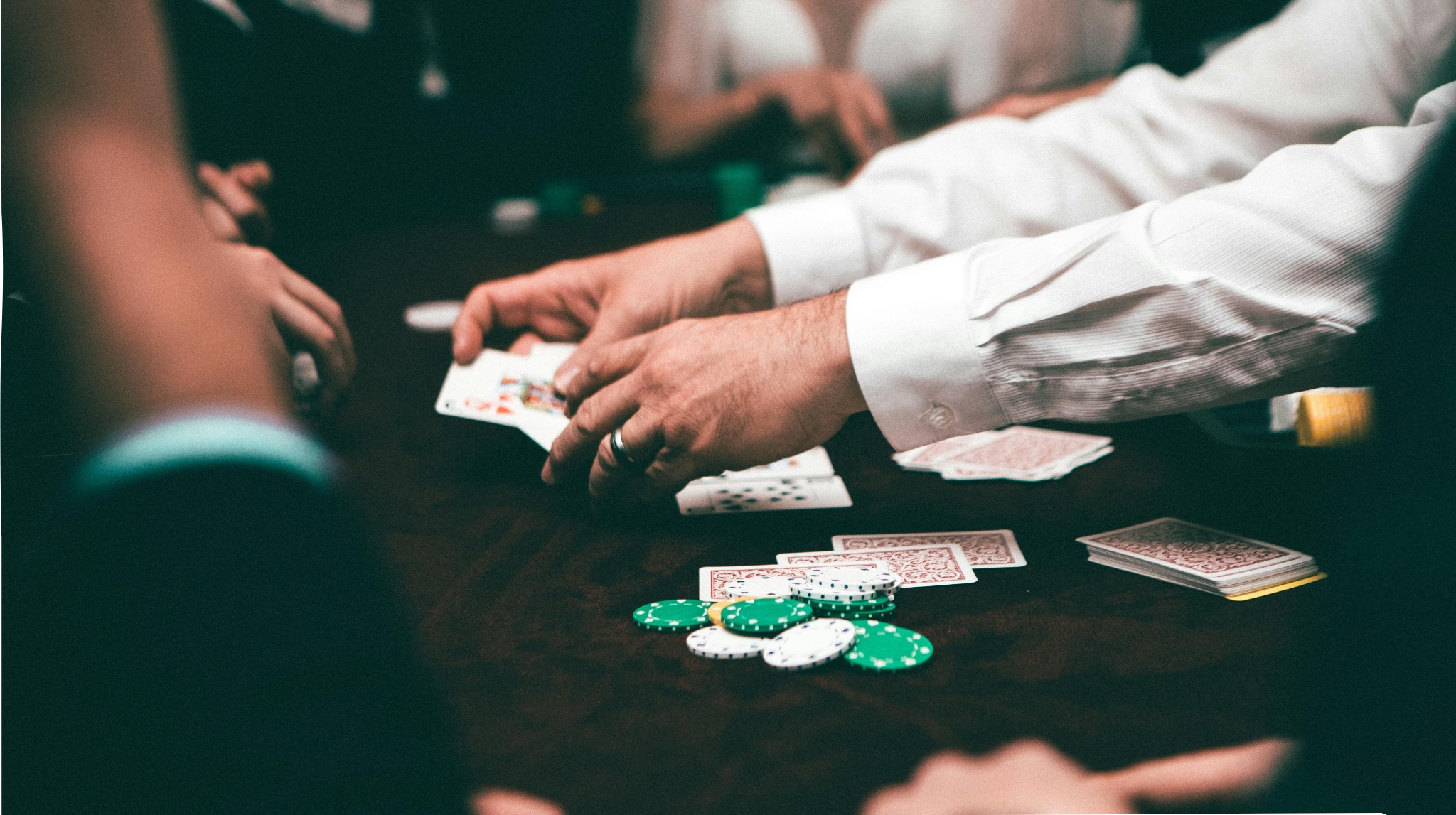
In the ever-evolving world of casino entertainment and digital games, poker has managed to secure a special spot for itself. No longer associated with smokey backrooms or just something out of an Old Western film, poker flourishes within elegant casinos and contemporary online settings. As the betting industry continues its relentless march toward modernization, poker too finds new forms, mixing classic instincts with cutting-edge innovations. What is it about this game that brings players back again and again over so many decades?
Why Poker Continues to Surge in Popularity
At the heart of poker’s popularity is its hybrid nature, a game of skill, though not entirely based on it. No other poker games except blackjack comes even close to beating the house through any mental competition. In roulette or slots, you simply bet on spinning wheels and falling balls or on lines filling with fruit. In poker (and blackjack), one plays against other contestants rather than the house itself.
There is competition, and where there is competition, there are varied participants. Some want to read their opponents, some play for the long term, some love calculated risks. When playing poker games there is something very attractive about sitting at a table, be it virtual or physical, knowing that your decisions and not just the cards can influence the final outcome.
Outside of the strategic level, poker bears some social and cultural significance. It is one of the few casino games that play out as a conversation—simultaneously involving a battle of wits and sharing a communal experience. Be it on a casino floor or even through an online interface with chat features, poker brings people together. That shared sense of presence does matter in this digital age, which is often accused of isolating its users.
Economic and Cultural Significance of Poker in Casinos
Modern casinos regard poker not simply as a game but rather as a dynamic economic engine. Typically, it does not contribute to profits, for players gamble against each other, but rather through charging a small fee known as the ‘rake.’ That, multiplied by the thousands of games on busy nights or during tournaments, adds up quickly.
Large tournaments have turned into gigantic events with crowds, streaming viewers, and participants. This kind of ancillary hospitality industry also experiences a boom with an increase in bookings, food and beverage sales as well as foot traffic solidifying the entire ecosystem. In this regard, poker serves as both entertainment and enterprise attracting different demographics while encouraging crossover into other games and amenities.
How Poker Has Adapted to Betting Platforms
In brick-and-mortar casinos, poker rooms have turned into attractions by themselves, usually positioned as highlights within huge resorts. These spaces serve both seasoned players and beginners, providing everything between silent cash games and high-stakes contests.
Online poker has exploded. Games run at all hours with a global pool of players, naturally increasing the number of game types offered by sites—everything from Texas Hold’em and Omaha to some less than standard fare. Players often join several tables at once, increasing both action and potential profit. Mobile apps attract even the most recreational players who like to play a few hands while sitting in a coffee shop or airport or from their couches.
Interestingly, the manner in which technology has come to influence the behaviors of players. Real-time statistics, replays, and even avatars make up for an immersive experience; sometimes the line between playing and watching becomes blurred.
Technology Reshaping the Poker Experience
The digital poker table is not just a place of play but rather a forum of innovation anymore. Artificial Intelligence now assists platforms in fair play monitoring and spotting any unusual patterns to keep the integrity of the game safe. On the other hand, online poker is being transformed by VR into something surprisingly physical, the presence and nuance of a real table are being replicated.
On a number of platforms, cryptocurrencies offer privacy, fast and transparent transactions for users desiring such an experience. It may look like some faddish thing, but in reality, it plays into a larger pattern; poker is transforming into an eclectic, technologically advanced proposition within the broader context of hybridization in gambling spaces.
In retrospect
Poker thrives not on nostalgia or legacy, but because it has adapted without changing what it is at heart. Most games cannot compare with Poker in terms of competition, community, and intellect, all at the same time. It is an economically important game, socially involving, and technologically advanced to modern casinos and digital platforms where it finds its place as their central pillar.
As virtual worlds and artificial intelligence helpers grow more advanced, the way we play and think about poker will change. The true draw of poker stays the same: an ageless game where how you act often means more than what cards you hold. In this, poker reflects life much better than most games ever could.